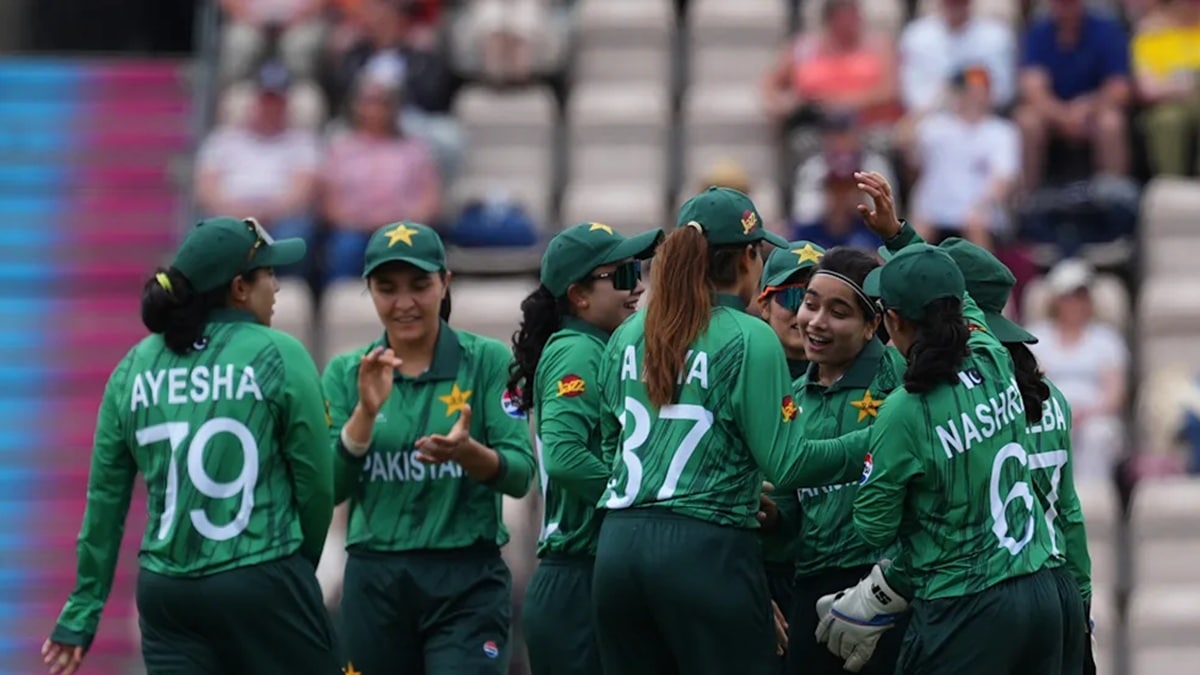
The structural evolution of Pakistan’s athletic landscape depends on the rigorous application of professional Cricket Fitness Standards. Recently, observers noted the Pakistan women’s cricket team and head coach Wahab Riaz at a Birmingham food outlet during the ICC Women’s T20 World Cup 2026. This development coincides with a statistically disappointing campaign where the squad became the first side eliminated from the tournament. Consequently, the intersection of lifestyle choices and high-performance output has become a focal point for national sports critics.
Calibrating Cricket Fitness Standards and Performance
The team’s competitive baseline struggled against international opposition throughout the group stage. Specifically, Pakistan opened the tournament with a 64-run loss to India, managing only 106 runs in 17 overs. Furthermore, the batting lineup failed to cross the 126-run threshold in any match. While the squad fought closely against South Africa, they ultimately fell by two wickets. The exit became official following a 23-run defeat against Bangladesh in Southampton. These results highlight a significant gap in tactical precision and physical endurance.
- India vs Pakistan: India 170/6 | Pakistan 106 (all out)
- South Africa vs Pakistan: Pakistan 126/9 | South Africa 127/8
- Bangladesh vs Pakistan: Bangladesh 123/6 | Pakistan 100/8
The Translation
In the context of elite athletics, Cricket Fitness Standards represent more than just physical appearance; they are a metric of metabolic readiness. Technical jargon surrounding “fitness concerns” essentially describes the team’s inability to maintain high-intensity performance over 20 overs. When athletes consume high-calorie fast food during a global tournament, it disrupts the calibrated nutritional recovery required for peak execution. Consequently, the viral restaurant footage serves as a proxy for broader systemic lapses in professional discipline.
The Socio-Economic Impact
This development affects the daily life of Pakistani citizens by influencing the professionalization of women’s sports. For students and aspiring athletes in urban centers like Lahore or rural districts, the national team acts as the primary blueprint for success. When performance standards fluctuate, it potentially devalues the perceived viability of sports as a career path. Furthermore, the economic investment from sponsors and the state requires a measurable return in the form of competitive advancement. A lack of discipline threatens the future allocation of resources for the next generation of female professionals.
The Forward Path
This situation represents a Stabilization Move rather than a momentum shift. The current data shows a team that has hit a performance ceiling. To transform this into a momentum shift, the Pakistan Cricket Board must implement strategic structural reforms. This includes mandatory bio-metric tracking and strict nutritional protocols. Professionalism is not an optional accessory; it is the catalyst for national pride and system efficiency. Until these baseline standards become non-negotiable, the gap between Pakistan and the global elite will continue to widen.