The Infrastructure Accountability Crisis
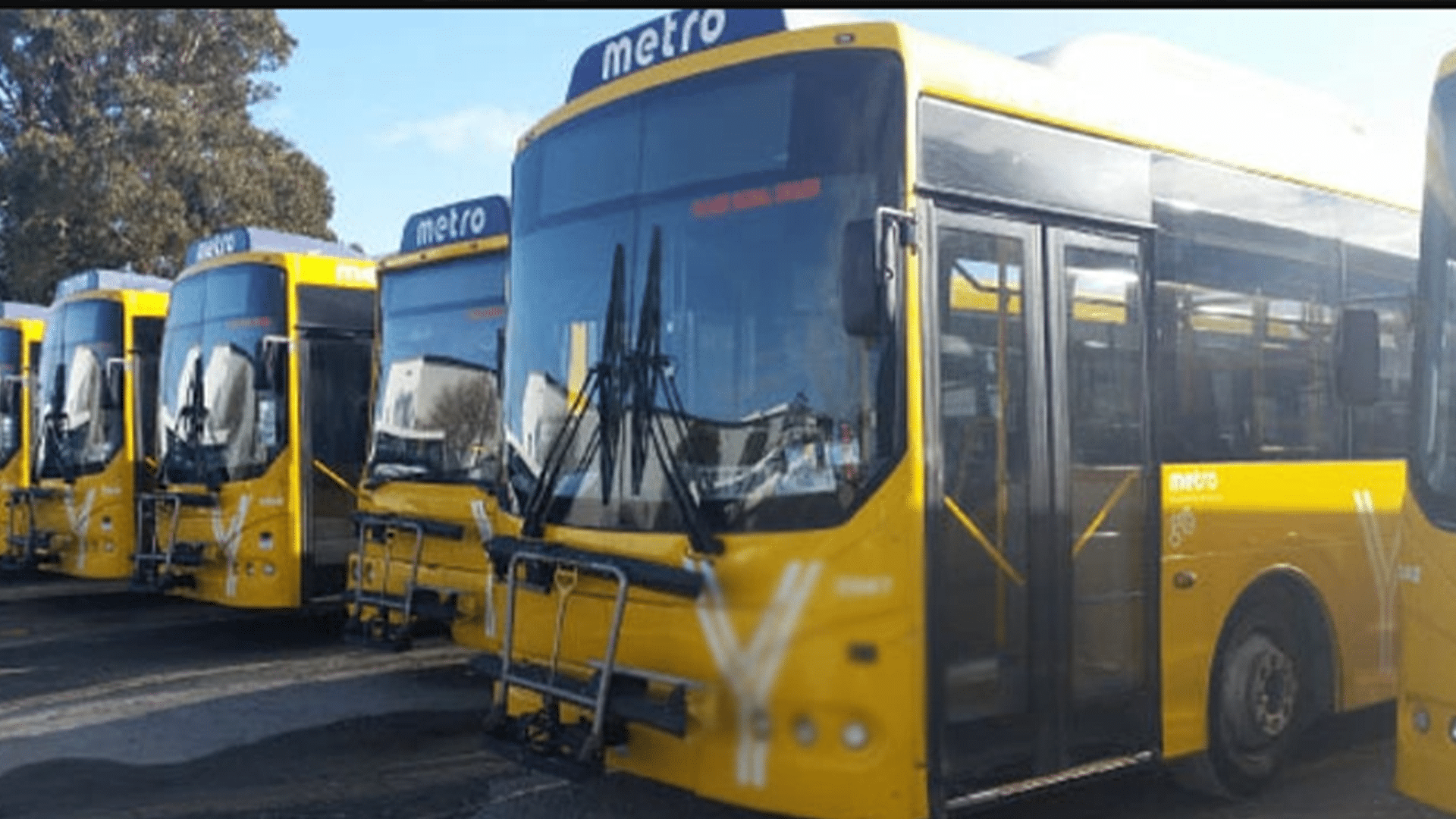
The Karachi BRT corruption scandal has entered a critical phase following the reported disappearance of former Project Director Zameer Ahmed Abbasi. On June 12, 2026, approximately 15 to 20 unidentified individuals allegedly abducted Abbasi from his residence in DHA Phase VIII, Lahore. This incident occurred shortly after the Anti-Corruption Establishment (ACE) initiated a high-stakes inquiry into the World Bank-assisted Yellow Line project. Consequently, the legal and operational stability of the project remains in flux as authorities investigate the abduction.
System Breakdown: The Karachi BRT Corruption Case
The Anti-Corruption Establishment (ACE) recently registered a case against Abbasi regarding significant financial irregularities. Specifically, investigators accuse Abbasi of approving an unauthorized advance payment of Rs 8.5 billion to project contractors. This move allegedly violated strict contractual terms requiring contractors to secure financing via commercial sources. Notably, the First Information Report (FIR) identifies the following key details:
- Suspect Status: Zameer Ahmed Abbasi, a Grade-19 officer of the Pakistan Administrative Service.
- The Charge: Illegal approval of Rs 8.5 billion in advance payments.
- Collateral Damage: Substantial financial losses to the Sindh government.
- Co-Accused: Former Director of Procurement Jhaman Das and other high-ranking officials.
The Situation Room Analysis
The Translation
In technical terms, the Karachi BRT corruption inquiry reveals a calibrated bypass of fiscal safeguards. Infrastructure projects of this magnitude typically require “Performance Bonds” and commercial credit lines to protect public funds. By approving a direct advance of Rs 8.5 billion, the administration effectively shifted the financial risk from private contractors to the taxpayer. This strategic deviation from the World Bank-assisted framework suggests a severe lapse in procurement oversight.
The Socio-Economic Impact
The mismanagement of the Yellow Line BRT directly impacts the daily lives of millions in Karachi. Every rupee diverted through corruption represents a delay in providing efficient urban mobility for students and professionals. Furthermore, such irregularities erode international donor confidence, potentially stalling future STEM and infrastructure investments. Consequently, the ordinary citizen pays twice: once through taxes and again through the lack of functional transport systems.
The Forward Path
This development represents a Stabilization Move. While the investigation aims to recover lost capital, the disappearance of a key state official indicates a breakdown in the legal process. True progress requires the structural hardening of procurement systems to prevent such “advance payment” loopholes from existing in the first place. Pakistan must prioritize digital oversight to ensure every billion invested in infrastructure is precisely accounted for.