
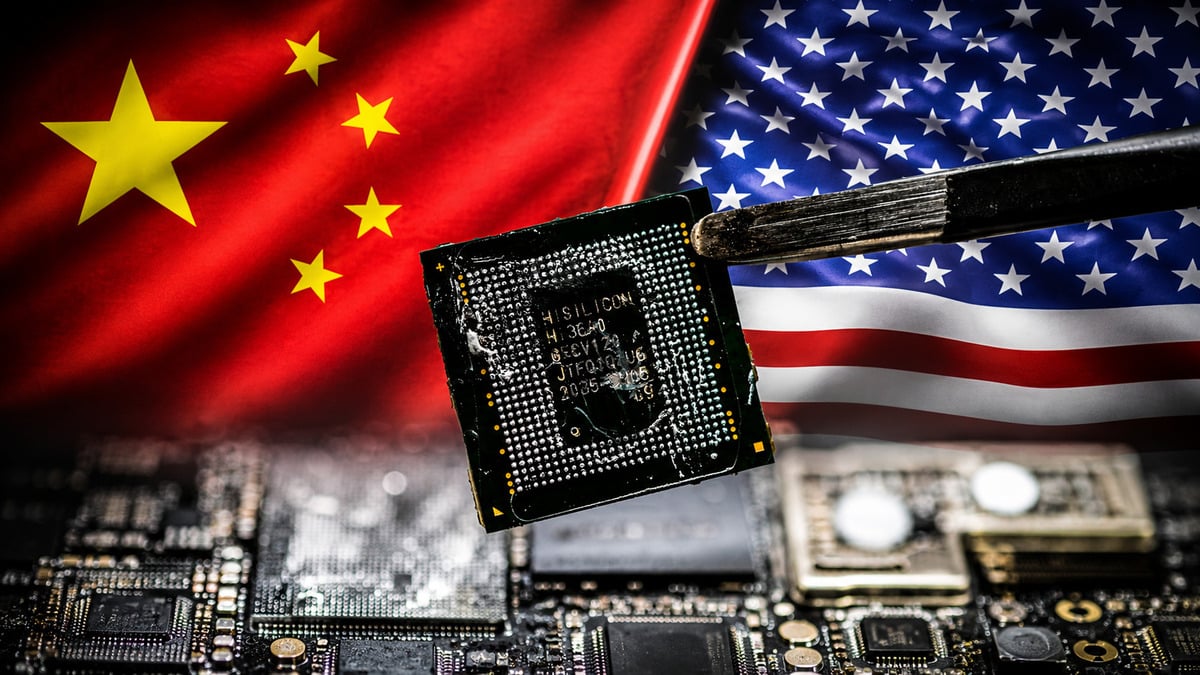
The global semiconductor landscape is undergoing a structural realignment as security protocols evolve to match the speed of artificial intelligence. The United States is currently calibrating its export control system through the proposed Chip Security Act, which implements mandatory AI chip tracking to prevent sensitive hardware from reaching restricted markets. Specifically, six major technology logistics firms have signaled their support for this bill, arguing that precision monitoring is a catalyst for national security and industry competitiveness.
Closing Loopholes via AI Chip Tracking
The Chip Security Act aims to resolve critical vulnerabilities within the current US export framework. Currently, advanced chips often reach restricted destinations through complex third-party routes. Consequently, the new legislation mandates a structural verification process to monitor the final destination of every high-performance unit. Industry experts argue that this calibrated approach will provide manufacturers with the confidence required to expand sales into emerging markets without risking regulatory violations.

Furthermore, this bill challenges the existing narrative from semiconductor lobbying groups who fear restricted growth. In contrast, supporters suggest that AI chip tracking actually facilitates faster export approvals and larger transactions. By creating a transparent baseline for compliance, American companies can engage in broader chip agreements with regional hubs like Malaysia and Indonesia while mitigating the risk of unauthorized diversions to China.
Structural Mechanisms of Location Verification
To implement these security measures, exporters may utilize specialized location-tracking hardware or software integrated into the chips themselves. This hardware-level security is essential because advanced AI systems provide the raw computing power necessary for both economic dominance and military advancement. In March, the US Justice Department highlighted the urgency of this issue by charging individuals involved in a $2.5 billion scheme to smuggle AI servers.

Moreover, these trackers act as a digital fence, ensuring that high-intent technology remains within authorized geographic boundaries. While the industry adapts, the integration of these precision tools will likely become the global standard for sensitive technology transfers.

The Situation Room Analysis
The Translation (Clear Context)
The Chip Security Act is essentially a “geofencing” initiative for hardware. Instead of relying on paper trails and good-faith agreements, the US is moving toward an automated, AI chip tracking system. This means the chip itself “reports” its location, making it nearly impossible for a third-party buyer to secretly ship the hardware to a restricted zone without triggering a security alert.
The Socio-Economic Impact
For the average Pakistani professional or student, this development sets a new baseline for how technology is acquired. As Pakistan seeks to build its digital infrastructure, local tech importers must now prove a higher level of transparency. While this may initially increase administrative hurdles, it ultimately ensures that Pakistani enterprises can maintain access to legitimate, high-performance US hardware by proving they are not part of a diversionary supply chain.
The Forward Path (Opinion)
This development represents a Momentum Shift. The transition from passive regulation to active, structural monitoring is a precision-driven move that reflects the high stakes of the AI era. For Pakistan, aligning with these global transparency standards is not just a regulatory necessity; it is a strategic requirement to remain a viable partner in the global STEM ecosystem.









