
A Calibrated Strategic Leap for Women Islamic Financing
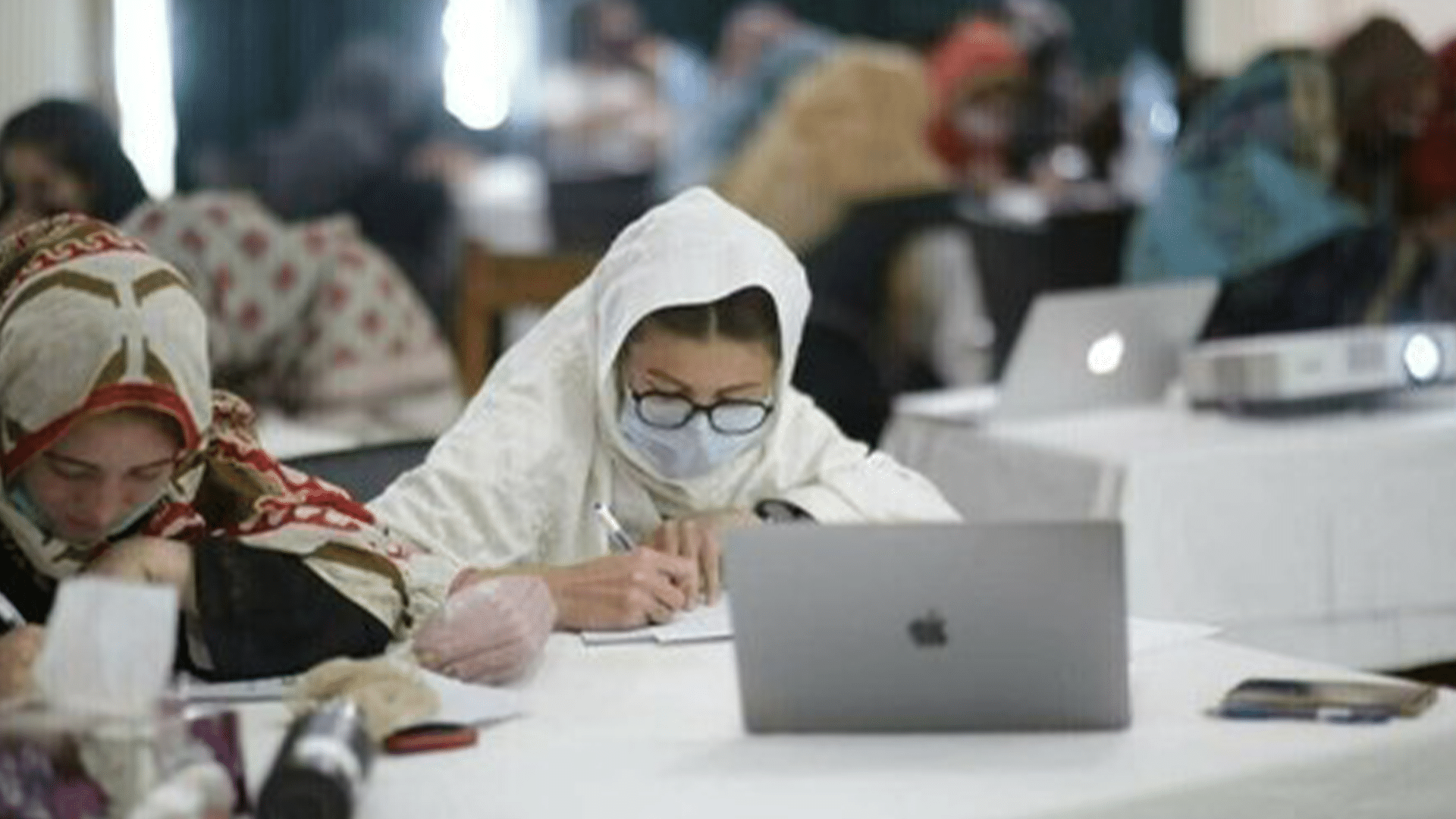
The Securities and Exchange Commission of Pakistan (SECP) has authorized a calibrated digital solution to expand Women Islamic financing, marking a strategic leap in national financial inclusion. This approval introduces “Khud Mukhtar Khatoon,” a precision-engineered financial product developed by Walee Financial Services to empower female entrepreneurs. Consequently, women can now access asset-backed capital ranging from Rs. 100,000 to Rs. 1.5 million directly through their mobile devices.
This initiative focuses specifically on the procurement of machinery, business equipment, and critical operational assets. By utilizing the “Hakeem” mobile application, entrepreneurs can complete the entire application process digitally. Furthermore, the repayment structure utilizes a Shariah-compliant framework, allowing users to settle the financing through equal monthly installments over a one-year baseline period.
Structural Support for Micro-Enterprises
The SECP maintains that enhancing financial access for women remains a top-tier priority for the regulator. Data indicates a significant momentum in the sector; specifically, non-banking financial companies (NBFCs) disbursed a staggering Rs. 111 billion between July and December 2025. This capital injection benefited nearly 7.5 million micro and small businesses during that six-month window. In parallel, the introduction of Khud Mukhtar Khatoon acts as a catalyst to further decentralize credit and improve systemic efficiency for women-led startups.
The Situation Room: Analysis
The Translation (Clear Context)
In technical terms, this product represents a shift from “cash-in-hand” lending to “asset-backed” financing. Instead of receiving a liquid loan with high-interest risks, the entrepreneur receives specific equipment needed for her trade. The “Shariah-compliant” nature ensures the transaction avoids Riba (interest), functioning instead as a lease-to-own or cost-plus-profit arrangement. This digital pipeline removes the traditional “gatekeepers” of brick-and-mortar banking, allowing for rapid scalability.
The Socio-Economic Impact
How does this change the daily life of a Pakistani citizen? For a female tailor in Faisalabad or a boutique owner in Lahore, this technology eliminates the need for physical collateral or male guarantors. By lowering the barrier to entry for capital, we expect a rise in household income stability. When a woman upgrades her machinery, she increases her production capacity, which directly feeds into the local supply chain and reduces the urban-rural economic divide.
The Forward Path (Opinion)
This development represents a Momentum Shift. While many financial initiatives provide temporary relief, Khud Mukhtar Khatoon builds structural independence. By integrating Shariah compliance with a mobile-first delivery system, Pakistan is finally aligning its financial products with the cultural and technological realities of its population. This is not just maintenance; it is a catalyst for a more inclusive digital frontier.








