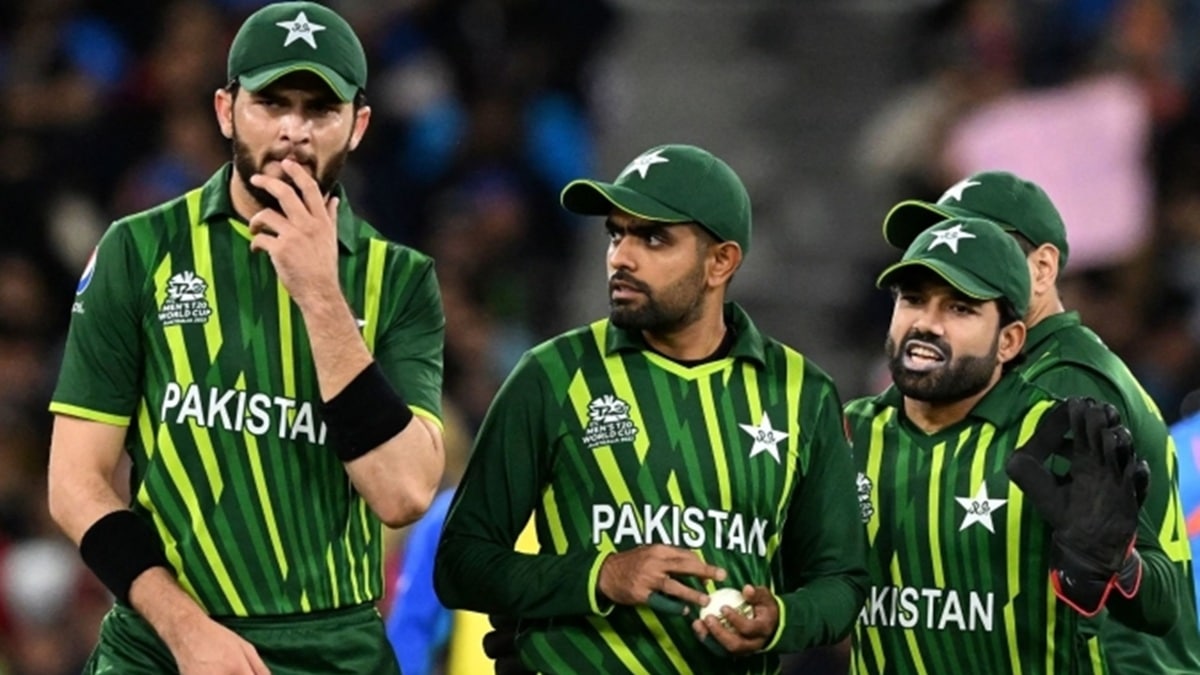
Pakistan’s cricketing ecosystem is undergoing a structural recalibration as the Pakistan Cricket Board (PCB) implements a meritocratic framework for its PCB central contracts. This strategic pivot ensures that star players remain tethered to the domestic circuit, reinforcing the foundation of the national sport. Consequently, the board has decided to withhold contracts from players who fail to meet mandatory first-class cricket requirements or medical benchmarks.
Implementing Efficiency in PCB Central Contracts
Director of High Performance, Aaqib Javed, recently confirmed that the PCB will no longer grant contracts based on seniority or historical reputation. Instead, the administration will utilize precision data and performance impact metrics to calibrate player value. Notably, elite athletes like Babar Azam and Shaheen Afridi must now satisfy specific domestic participation quotas to release their pending dues. This move ensures that the system remains disciplined and that every athlete contributes to the local competitive baseline.
The Proposed Categorization Matrix
- Category A (Test Specialists): Reserved for elite red-ball players. They must participate in at least six first-class matches annually to receive a premium retainer of Rs. 1.5 million per Test.
- Category A/B (Multi-Format Leaders): This tier carries the highest remuneration. Players must balance four domestic first-class matches with four one-day matches to maintain eligibility.
- Category B/C (Limited Overs): Designed for ODI and T20I specialists who must complete a rigorous schedule of domestic white-ball and red-ball fixtures.
- Category D (Developmental Catalyst): A vital tier for 16 to 20 emerging talents, providing a stable monthly salary of Rs. 1 million to fuel the next generation of Pakistan cricket.
The Situation Room Analysis
The Translation (Clear Context)
The PCB is effectively shifting from a “reputation-based” economy to a “contribution-based” model. By mandating domestic cricket, the board is utilizing its most experienced assets to elevate the quality of local tournaments. This logic suggests that international success is impossible without a high-intensity domestic baseline. The withholding of payments acts as a structural check to ensure compliance with these professional standards.
The Socio-Economic Impact
For the average Pakistani citizen, this development signals a return to meritocracy. It demonstrates that even national icons are subject to systemic rules, which fosters a culture of fairness. Economically, the substantial investment in the “Category D” development contracts provides a lucrative career path for young athletes from diverse backgrounds, potentially reducing the talent drain to foreign leagues.
The “Forward Path” (Opinion)
This development represents a significant Momentum Shift for Pakistan cricket. By prioritizing data and fitness over legacy, the PCB is modernizing its governance to match global sporting standards. While the transition may be friction-heavy for established stars, the long-term stabilization of the domestic circuit is a necessary catalyst for national progress.