
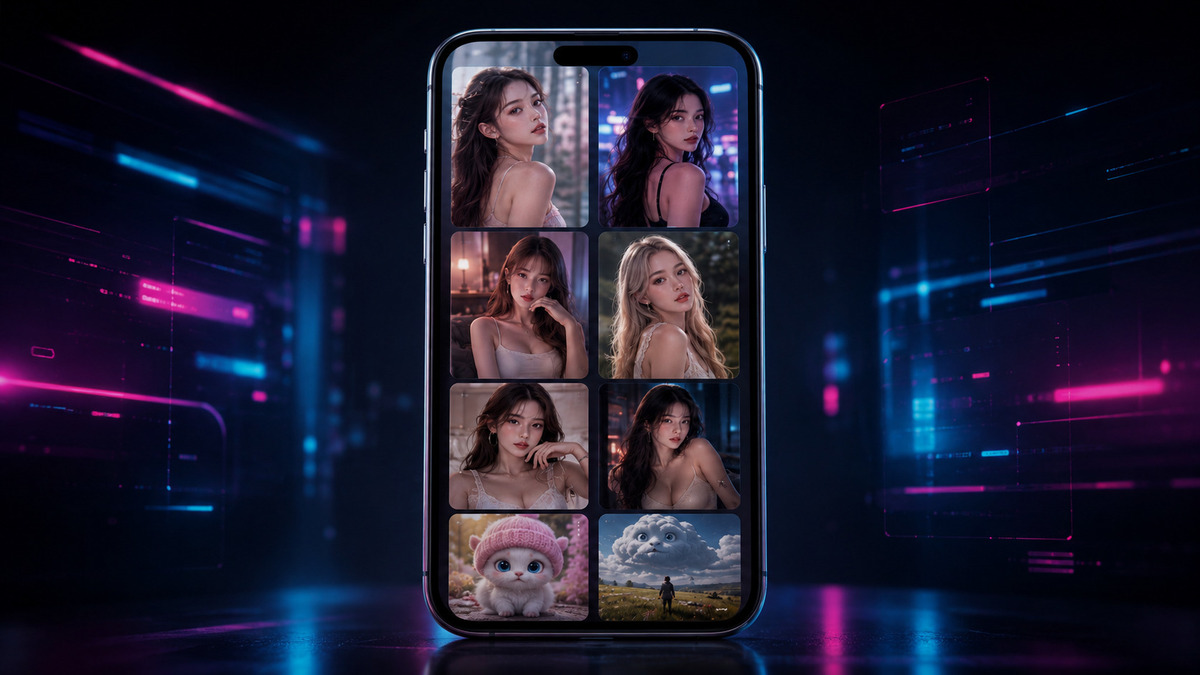
The structural integrity of digital content ecosystems is currently facing a massive influx of synthetic media. Recent architectural data from Kapwing reveals that TikTok AI slop now constitutes approximately 59% of the videos served to new accounts. This concentration of low-effort, algorithmically generated content represents a 300% increase compared to similar metrics found on YouTube Shorts.
Calibrating the Platforms: TikTok vs. YouTube
Researchers conducted a precision audit by analyzing the first 500 videos on a fresh TikTok feed. Consequently, they identified that 294 of these videos met the technical criteria for AI slop. In contrast, a parallel baseline test on YouTube Shorts showed that only 21% of content was synthetic. These figures suggest a significant divergence in how different platforms moderate or prioritize algorithmically generated media.

Mitigating the TikTok AI Slop Crisis in Children’s Media
The data becomes increasingly alarming when segmented by demographic categories. Specifically, the “Kids” category recorded the highest density of synthetic content, with 57% of 2,000 reviewed videos classified as AI-generated. Furthermore, the #cartoonkids tag exhibited a staggering 97% slop rate. Tags such as #babysong and #forkids also showed precision-level saturation at 83% and 79% respectively.

Other educational sectors are not immune to this trend. Science and Education feeds currently carry an AI slop rate of 35%. However, categories requiring physical precision and human presence, such as Fashion and Fitness, remain remarkably low, staying below 2%.
The Translation (Clear Context)
In technical terms, “AI Slop” refers to content generated by large-scale automation tools without meaningful human creative oversight. These videos often utilize stock visuals, robotic voiceovers, and repetitive scripts to farm engagement. The logic is simple: high-volume production at near-zero cost allows creators to exploit algorithm recommendation engines, even if the content quality is fundamentally degraded.
The Socio-Economic Impact
For the average Pakistani household, this development changes the digital consumption baseline. As children spend more time on these platforms, they are increasingly exposed to “hollow” content that lacks educational depth or cultural nuance. Economically, this trend shifts revenue away from legitimate Pakistani creators and animators, as automated “slop farms” capture the lion’s share of ad revenue through sheer volume.
The Forward Path (Opinion)
This development represents a Stabilization Move by platforms that have yet to implement aggressive quality-control filters for synthetic media. While TikTok has labeled over 1.3 billion videos as AI-generated, labeling alone is a defensive posture rather than a catalyst for quality. For Pakistan to protect its digital frontier, we must advocate for “Human-First” algorithmic prioritization to ensure our youth interact with high-value, authentic information.








