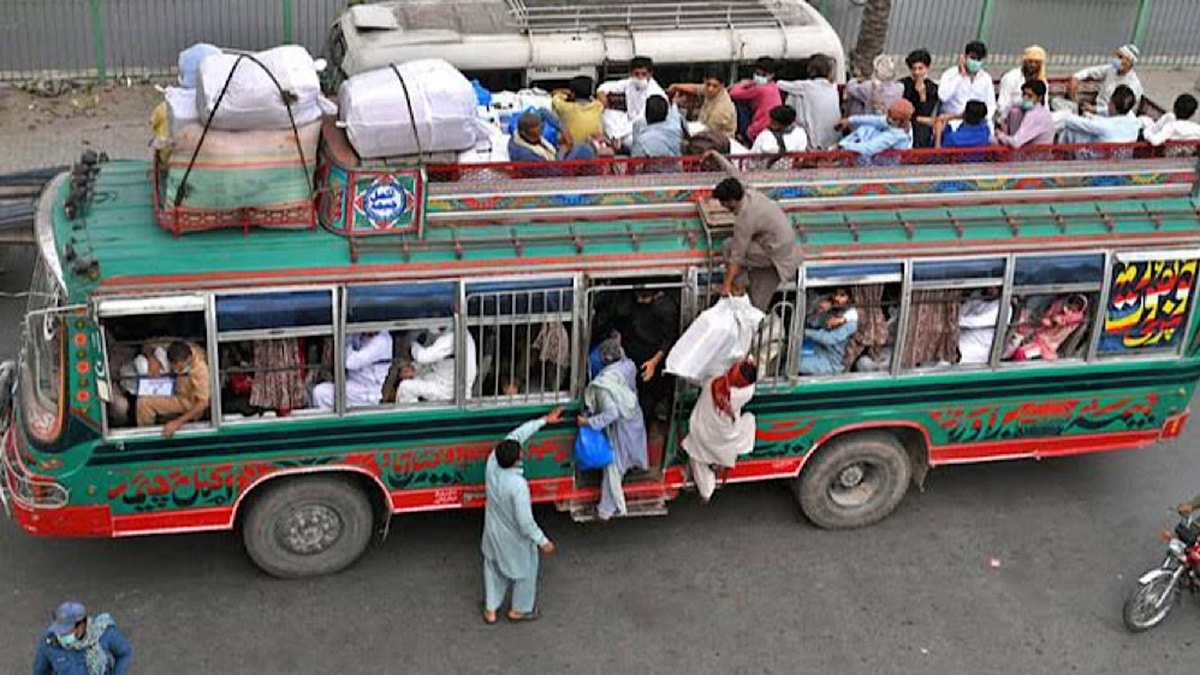
The Karachi transport strike has officially concluded after the Karachi Transport Alliance secured critical concessions from the city administration during a high-stakes negotiation. This resolution marks a calibrated shift toward logistical stability, ensuring that the movement of goods and people remains uninterrupted. Consequently, the Karachi Commissioner has provided a necessary catalyst for urban economic recovery by addressing the structural bottlenecks that originally triggered the protest.
Resolving the Karachi Transport Strike through Strategic Dialogue
The core of the breakthrough centered on two primary friction points: biometric verification and insurance overheads. Specifically, the administration granted a two-month extension for the biometric verification process required during vehicle ownership transfers. This adjustment allows transport owners sufficient time to align with new regulatory frameworks without halting their operations. Furthermore, officials assured the Alliance that the controversial Rs12,000 third-party insurance fee would undergo administrative review in the coming weeks.
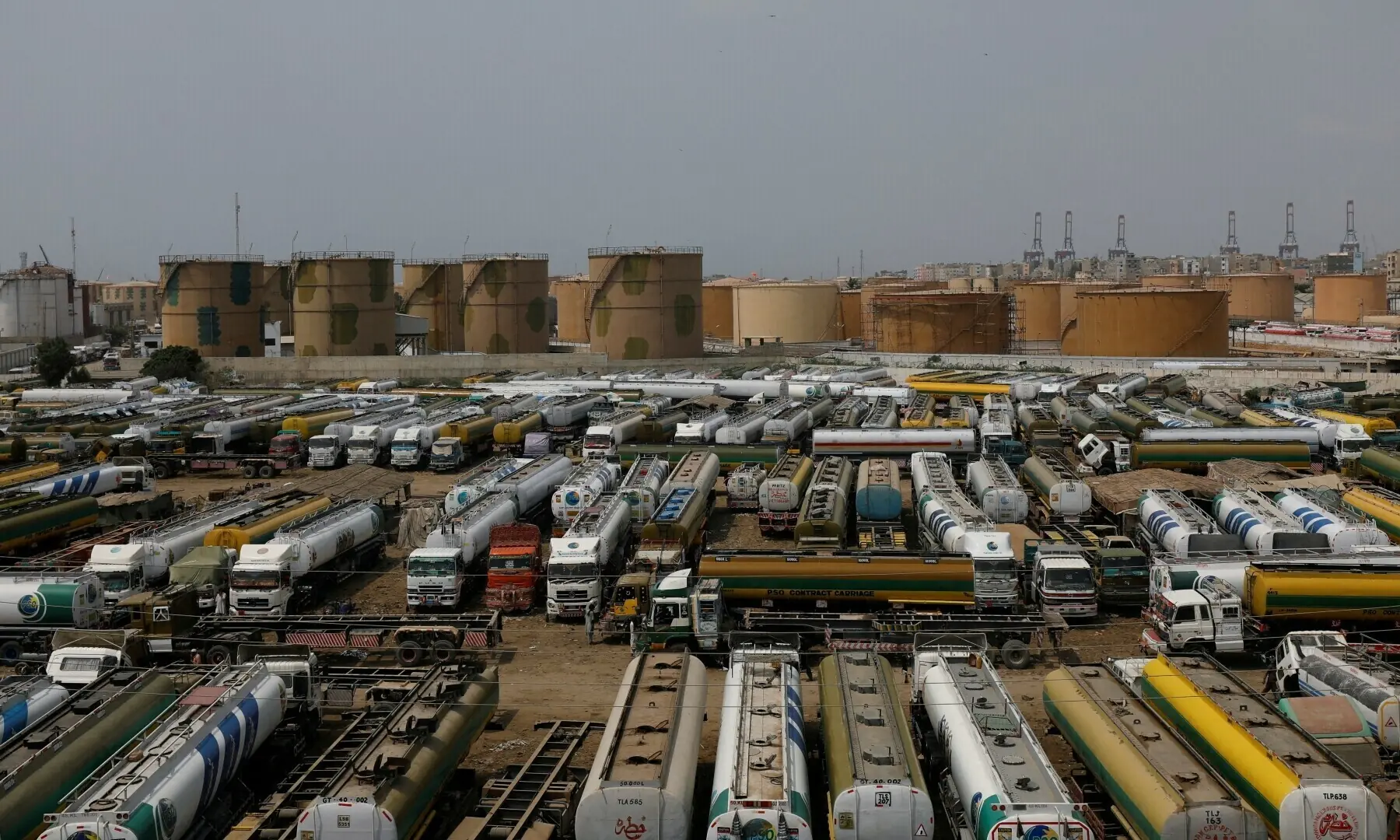
To ensure long-term precision in policy implementation, both parties agreed to a follow-up session in 15 days. This recurring oversight mechanism will evaluate the progress of the commitments made. Currently, the Karachi Transport Alliance is preparing a consultative meeting with its members to finalize the future course of action based on these government assurances.
The Situation Room: Structural Analysis
The Translation (Clear Context)
In simple terms, the transporters were facing a “system lag” caused by rigid deadlines and rising operational costs. The biometric extension serves as a “buffer period,” preventing a mass grounding of vehicles that haven’t updated their paperwork. The insurance fee negotiation is a move to recalibrate the financial baseline for small-scale fleet owners, ensuring the sector remains viable amidst inflationary pressures.
The Socio-Economic Impact
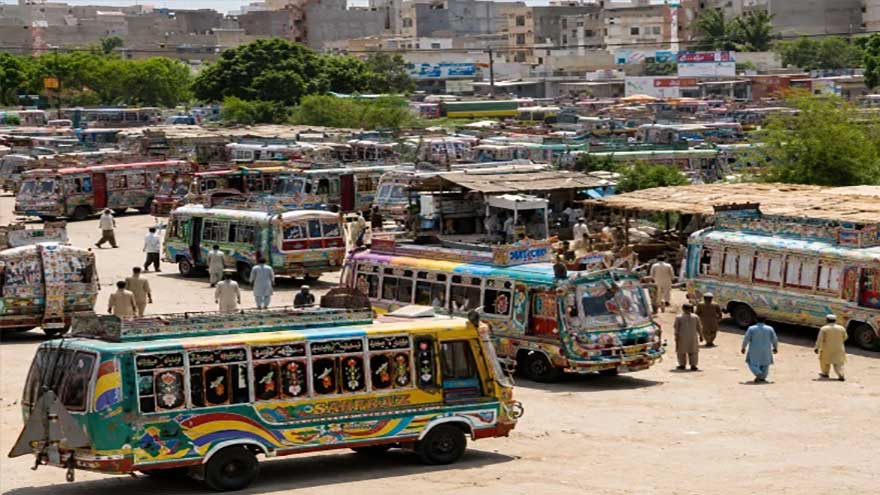
For the average Pakistani citizen, this resolution prevents a “supply chain shock.” When transport stops, the prices of essential goods typically spike within 48 hours. By ending the Karachi transport strike, the administration has stabilized the daily commute for thousands of professionals and students. Moreover, it protects the daily wages of transport workers who rely on continuous movement for their livelihood.
The Forward Path (Opinion)
This development represents a Stabilization Move. While the 60-day extension provides immediate relief, it is a temporary fix rather than a permanent structural overhaul. The true “Momentum Shift” will only occur if the upcoming 15-day review results in a digitized, frictionless insurance and verification system. For now, the city has successfully avoided a logistics crisis, but the baseline efficiency of the sector requires further precision engineering.