
The geopolitical architecture of West Asia is undergoing a calibrated shift as Pakistan’s Prime Minister Shehbaz Sharif and Chief of Army Staff Field Marshal Asim Munir arrive in Burgenstock for the Switzerland Iran talks. This high-level mission aims to facilitate a ceasefire framework between Iran and the United States. Consequently, Pakistan now stands as a central catalyst for regional de-escalation alongside Qatar.
Analyzing the Strategic Stakes of the Switzerland Iran Talks
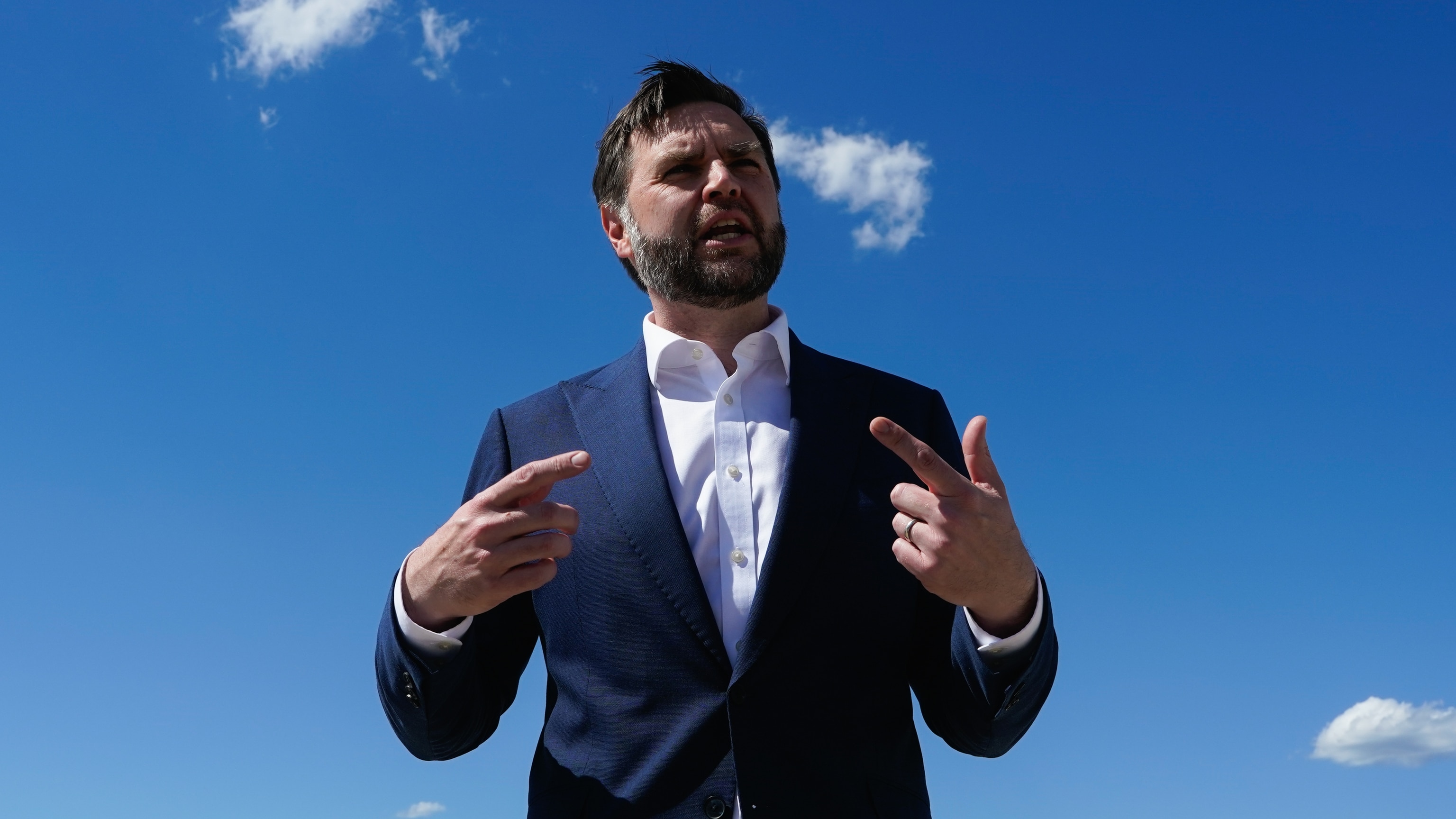
The negotiations in Switzerland focus on the precise implementation of an interim understanding. This framework serves as a structural baseline to halt hostilities and prevent a wider regional conflict. Specifically, US Vice President JD Vance will participate in these discussions to represent American interests. Furthermore, the Iranian delegation has confirmed their presence, prioritizing the immediate cessation of active hostilities.
Success in these talks requires a high degree of precision and diplomatic coordination. The primary objectives of this mission include:
- Hostility De-escalation: Implementing an immediate freeze on kinetic operations.
- Regional Stabilization: Preventing the spillover of conflict into neighboring territories.
- Interim Agreement: Formalizing a roadmap for long-term diplomatic engagement.
The Situation Room: Strategic Deep Dive

The Translation (Clear Context)
In technical terms, Pakistan is acting as a “back-channel guarantor.” While Qatar provides the financial and logistical neutral ground, Pakistan offers the strategic depth and military-to-military credibility required to reassure both Washington and Tehran. This isn’t just a meeting; it is a precision-engineered attempt to build a “firewall” around the current conflict to ensure it does not compromise global energy corridors.
The Socio-Economic Impact
The outcome of the Switzerland Iran talks directly affects the wallet of every Pakistani citizen. Regional instability consistently drives up global oil prices, which triggers domestic inflation and increases the cost of logistics. If this mediation succeeds, we anticipate a stabilization of energy imports and a more predictable environment for the Pakistan-Iran gas pipeline projects. For the professional class, this means reduced economic volatility and a more secure investment landscape.

The “Forward Path” (Opinion)
This development represents a significant Momentum Shift. By positioning Field Marshal Asim Munir and PM Shehbaz Sharif at the same table as JD Vance, Pakistan is reasserting its role as a “System Pivot” in the Islamic world. This move transitions Pakistan from a passive observer to an active architect of regional peace. If executed with precision, this could redefine our diplomatic leverage for the next decade.








