
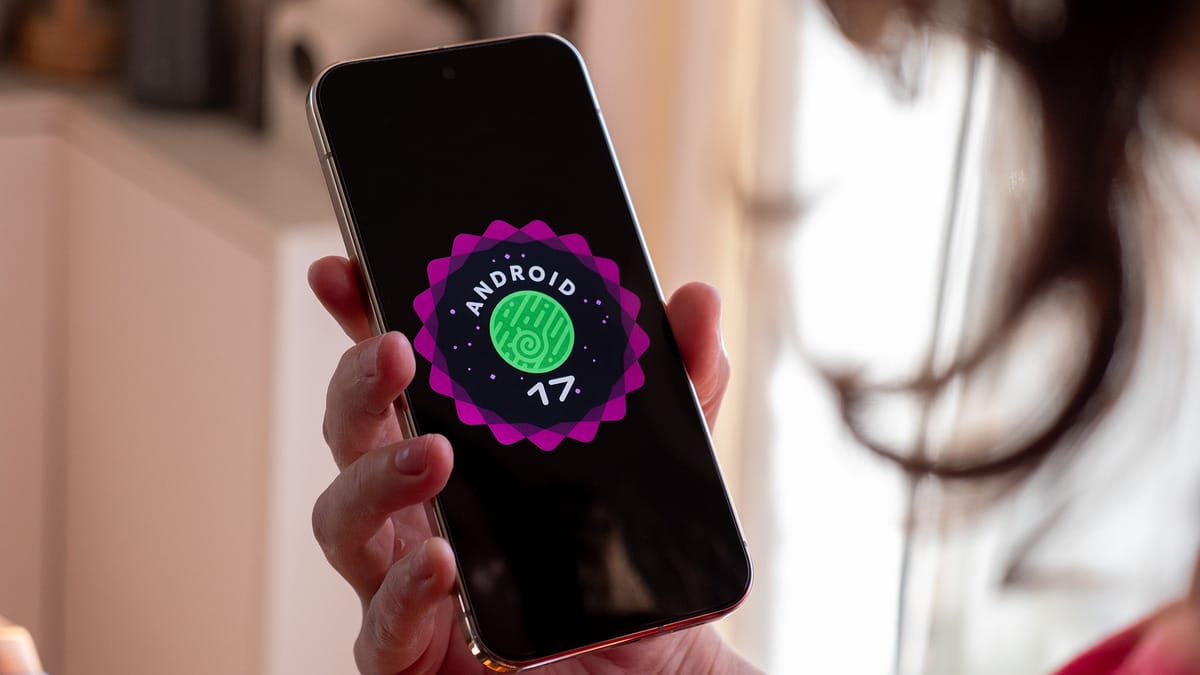
The arrival of the Android 17 update represents a calibrated expansion of the mobile ecosystem, optimizing the synergy between hardware and system architecture. Google has already initiated the rollout for supported Pixel devices, setting a new baseline for mobile performance. While most manufacturers haven’t finalized their official documentation, we have decoded their software-update policies to map the projected rollout for the upcoming fiscal year.
The Situation Room: Strategic Analysis
The Translation
Beyond the interface aesthetics, this update serves as a structural overhaul designed to enhance system efficiency. It transitions technical jargon into “Next Gen” clarity by focusing on kernel-level optimizations and neural processing. Consequently, devices will experience improved battery calibration and faster data throughput, effectively extending the lifecycle of current flagship hardware.
The Socio-Economic Impact
For the Pakistani professional and student, this update is a catalyst for digital stability. Access to the latest OS ensures that critical banking, educational, and government apps remain functional and secure. Furthermore, by extending the relevance of mid-range devices like the Samsung Galaxy A-series, it reduces the frequency of hardware replacement, offering a strategic economic advantage to households managing rising tech costs.
The Forward Path
This development represents a Momentum Shift. The precision of the rollout schedule suggests that manufacturers are prioritizing software longevity as a competitive edge. This shift moves the industry away from planned obsolescence toward a model of sustainable digital infrastructure.
Android 17 Update: The Structural Rollout Strategy
Google Pixel Deployment

Google initiated the stable release on June 16, 2026. This deployment targets the core Pixel lineup to ensure a baseline for the broader ecosystem. Eligible units include:
- Pixel 10 Series: Pixel 10, Pro, Pro XL, Pro Fold, and 10a
- Pixel 9 Series: Pixel 9, Pro, Pro XL, Pro Fold, and 9a
- Pixel 8 & 7 Series: All models including “a” variants
- Legacy Support: Pixel 6, 6 Pro, 6a, Pixel Fold, and Pixel Tablet
Samsung One UI 9 Integration
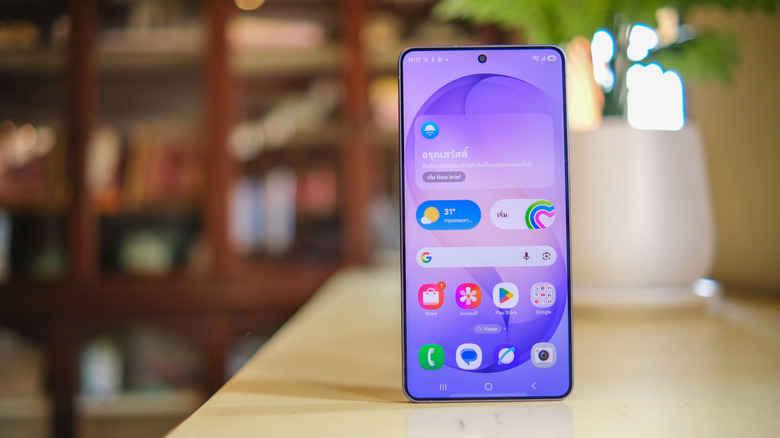
Samsung is currently calibrating its One UI 9 beta via the Galaxy S26 series. The stable ecosystem is expected to unify in July 2026. Key targets include:
- Galaxy S Series: Every model from S23 through the upcoming S26 Ultra.
- Galaxy Z Series: Fold 5, 6, 7 and Flip 5, 6, 7 variants.
- Galaxy A & M Series: The A54 through A57, and M54 through M56 models, ensuring mid-range accessibility.
- Tablets: Tab S11 and S10 series, including FE and Ultra configurations.
Xiaomi, Redmi, and Poco Roadmap
Xiaomi is currently testing the Android 17 update on its premium Xiaomi 17 and Ultra models. A stable rollout is anticipated by October 2026. In contrast, Redmi and Poco users should expect deployment to begin in November 2026, targeting the Note 14/15 and Poco F6/F7/F8 series respectively.
Emerging Manufacturers: OnePlus, Nothing, and Motorola
OnePlus is expected to synchronize its OxygenOS 16 release in November 2026, primarily focusing on the OnePlus 11 through 15 series. Simultaneously, Nothing OS 5.0 will likely debut for Phone (2a) and later models. Motorola plans to update its Razr and Edge 50/60/70 ranges by October 2026, maintaining a high-frequency update cycle.
Strategic Outliers: Sony and Asus
Sony has bypassed the partner beta program, opting for a direct stable release in October 2026 for the Xperia 1 VI, 1 VII, and 10 VI. Asus will likely follow a similar precision-led deployment for the ROG Phone 9 and Zenfone 12 Ultra toward the end of the year.








