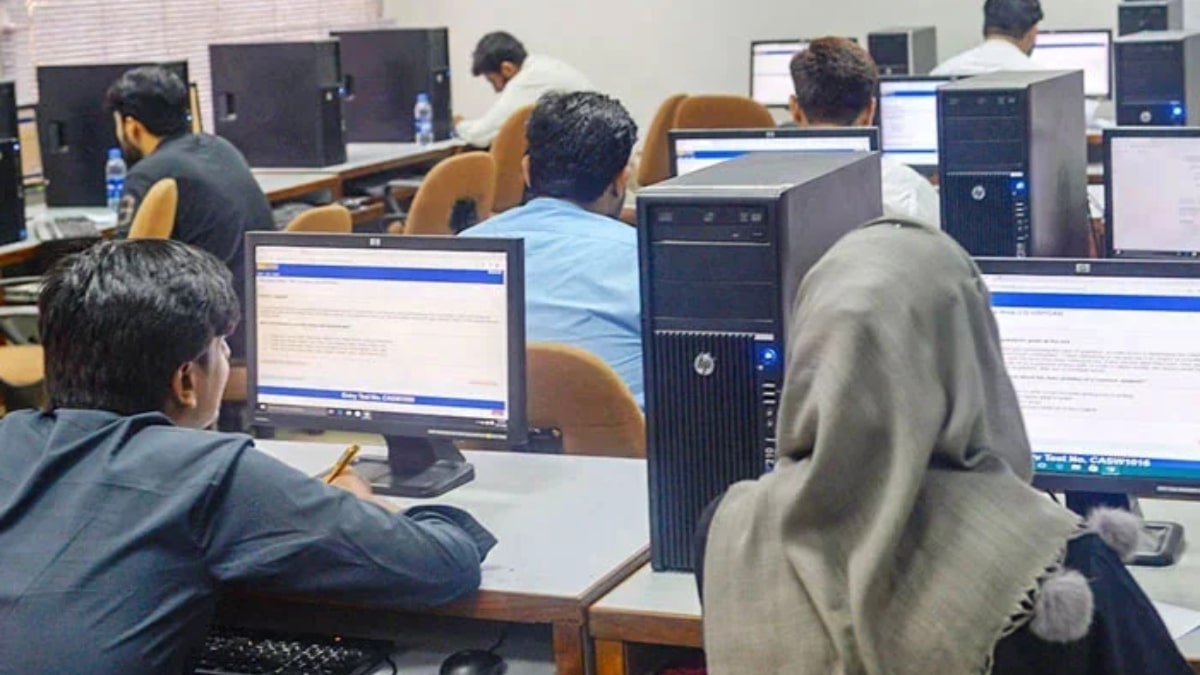
The Securities and Exchange Commission of Pakistan (SECP) is deploying a calibrated strategy to integrate SECP fintech courses into the national professional baseline. This initiative represents a structural shift toward a precision-driven financial ecosystem. Chairman Dr. Kabir Ahmed Sidhu announced that the Capital Market Institute will undergo a complete reorganization. Consequently, the institute will align its training modules with the high-velocity demands of global financial markets.
Recalibrating Pakistan’s Financial Human Capital
Dr. Sidhu emphasized that a skilled workforce serves as the fundamental catalyst for market stability. To achieve this, the SECP is launching specialized online programs for young professionals. These modules focus on digital financial tools and modern practices. Furthermore, the commission aims to transform the Capital Market Institute into a national hub for talent development. This move ensures that our workforce remains competitive in an increasingly automated industry.
Strategic Implementation of SECP Fintech Courses
The SECP and the Institute of Financial Markets of Pakistan (IFMP) are currently developing a comprehensive reform roadmap. This roadmap includes clear goals and strict implementation timelines. Specifically, the new curriculum will bridge the gap between traditional banking and emerging financial technology. By focusing on these core competencies, the SECP ensures that future professionals possess the analytical precision required for capital market growth.
The Situation Room Analysis
The Translation (Clear Context)
In simple terms, the SECP is updating the “software” of our financial education system. Traditional financial knowledge is no longer sufficient in an era of blockchain and automated trading. By reorganizing the Capital Market Institute, the government is ensuring that certifications reflect modern reality. This isn’t just a curriculum update; it is a systemic reboot of how we train the architects of our economy.
The Socio-Economic Impact
For the average Pakistani citizen, this development lowers the barrier to high-value employment. Students in both urban and rural areas can now access SECP fintech courses online, democratizing financial literacy. As the workforce becomes more skilled, we expect to see an increase in institutional trust. Ultimately, this leads to better-managed pension funds, more robust insurance products, and safer investment opportunities for households.
The Forward Path (Opinion)
This development represents a significant Momentum Shift. For too long, Pakistan’s financial training remained stagnant and academic. The decision to integrate fintech and digital tools shows a disciplined approach to modernization. If the reform roadmap is executed with the promised precision, Pakistan could transition from a regional follower to a fintech leader in South Asia.