
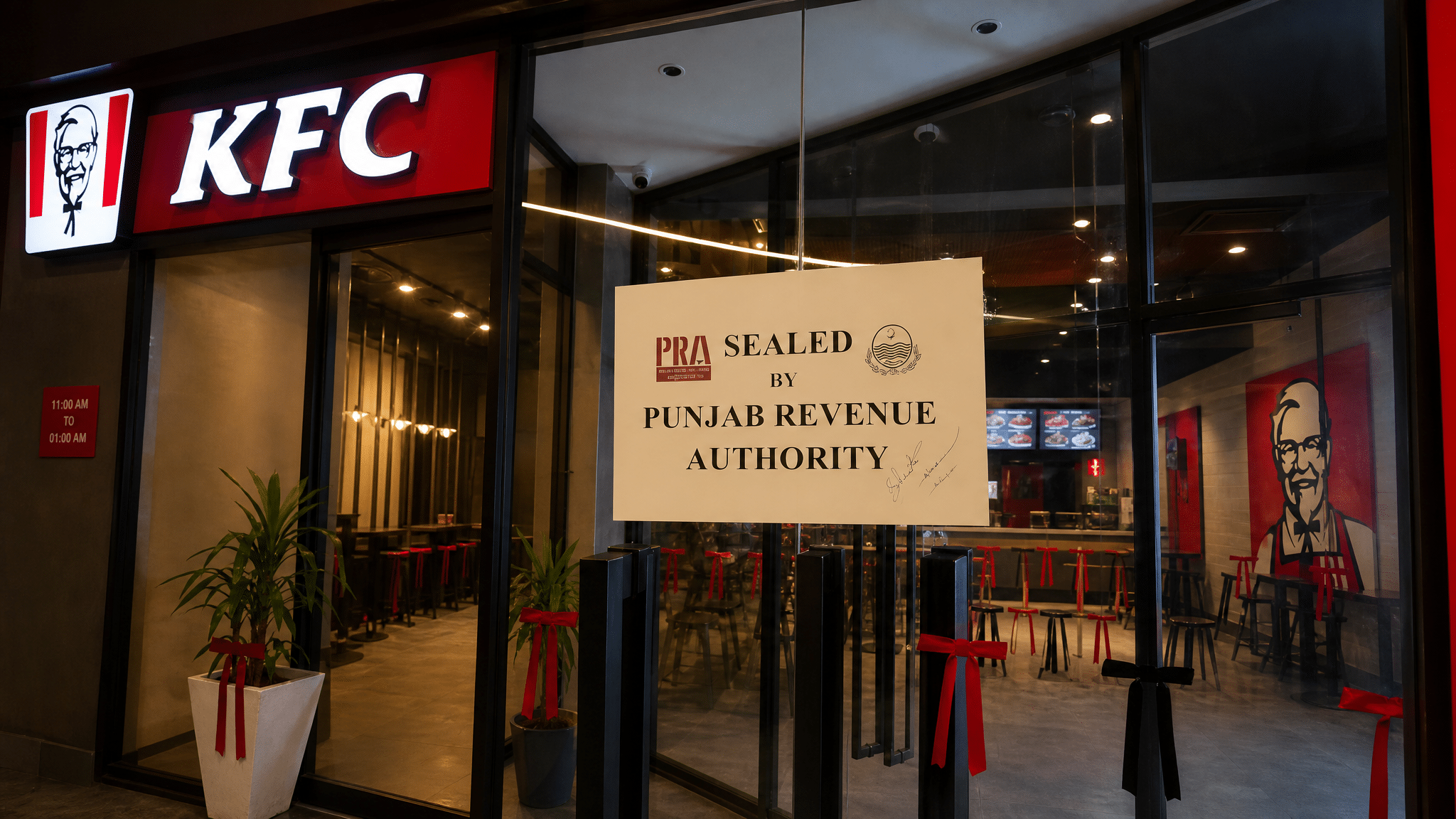
The Catalyst Behind Why KFC Branches Sealed in Lahore
The Punjab Revenue Authority (PRA) recently calibrated its enforcement strategy, resulting in several KFC branches sealed across Lahore due to alleged tax non-compliance. This structural intervention targeted high-profile locations, including DHA EME, Askari 10, and DHA Z Block. Consequently, the state is signaling a zero-tolerance baseline for entities bypassing mandatory fiscal protocols.
Data suggests that five specific outlets faced immediate closure. While the PRA executes these enforcement actions, the official response from KFC remains pending. Furthermore, this precision strike follows a series of similar actions against other prominent hospitality chains in the region. The authorities maintain that these measures are essential to rectify systemic under-reporting of taxable sales.
Expanding the Enforcement Perimeter
This development is not an isolated event; rather, it is part of a broader crackdown on fiscal irregularities. Recently, the PRA also sealed multiple branches of the coffee chain ‘Double Shot’ in Lahore. Authorities cited violations of electronic invoicing rules and the misreporting of sales data as the primary drivers for these closures.
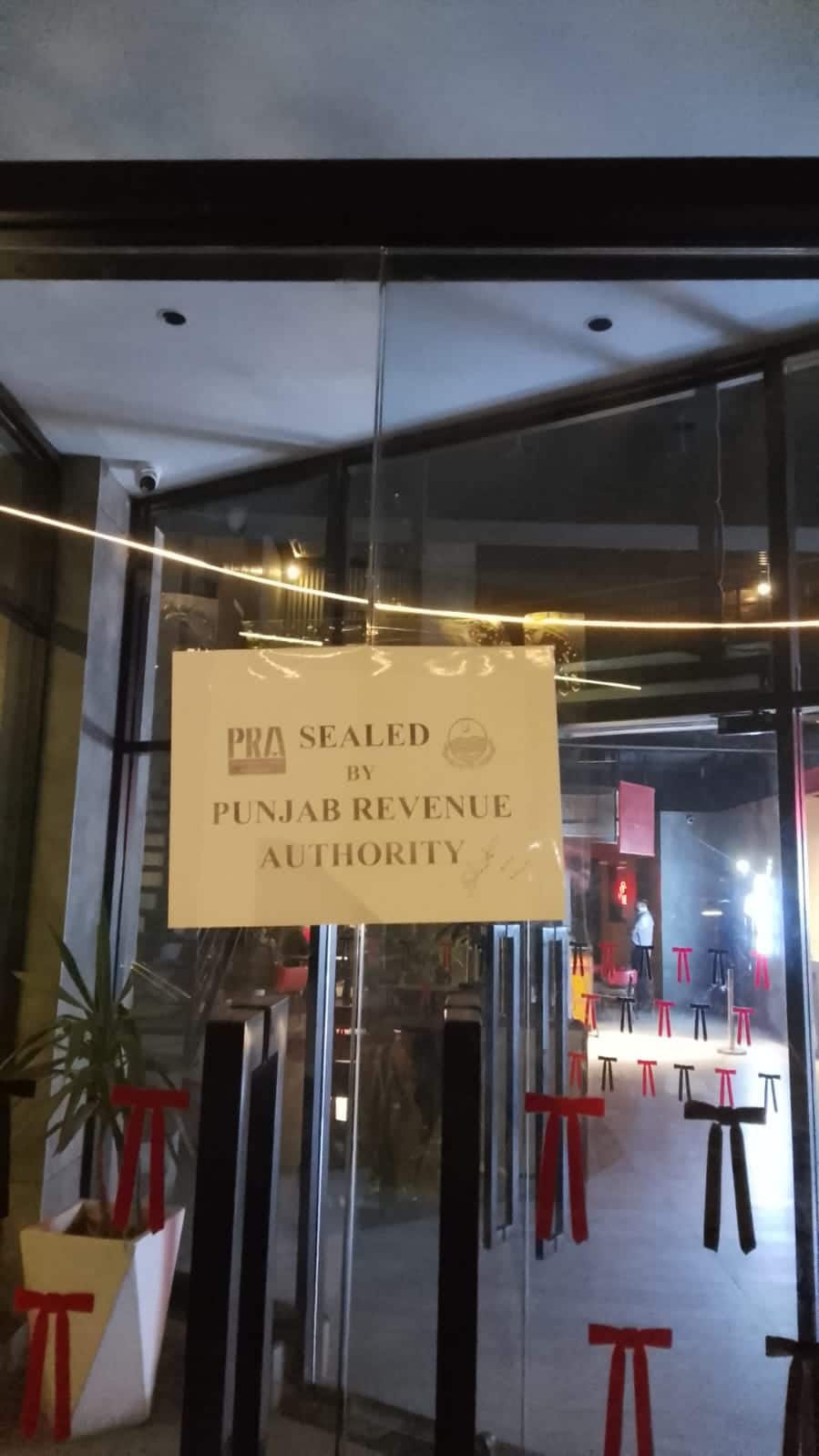
Moreover, the enforcement wave has reached the capital. In Islamabad, tax enforcement teams sealed a Red Apple outlet in F-6 Markaz. These teams identified the issuance of unverified sales tax receipts as a critical breach of the Punjab Sales Tax on Services Act, 2012. Specifically, Section 59A provides the legal framework for these interventions when businesses bypass the Electronic Invoice Monitoring System (EIMS).
The Situation Room Analysis
The Translation (Clear Context)
In technical terms, the Electronic Invoice Monitoring System (EIMS) acts as a digital ledger that connects a business’s point-of-sale directly to the government’s revenue database. When a business “bypasses” this system, they effectively create a shadow economy. By issuing unverified receipts, the entity collects tax from the consumer but fails to transfer those funds to the national treasury. This recent action against KFC branches sealed in Lahore represents a physical audit of digital compliance.
The Socio-Economic Impact
For the average Pakistani citizen, these enforcement actions ensure that the sales tax paid at a counter actually contributes to public infrastructure and services. When corporate giants face scrutiny, it levels the playing field for smaller, compliant businesses. However, temporary closures of major food hubs may disrupt local employment and consumer patterns in the short term. Ultimately, structural tax discipline reduces the national deficit, which stabilizes the purchasing power of the middle-class household.
The Forward Path (Opinion)
This development represents a Momentum Shift. For decades, the Pakistani retail sector operated with significant “tax leakage.” By utilizing the EIMS and enforcing Section 59A against global franchises, the state is moving from reactive manual audits to proactive, tech-driven enforcement. While disruptive, this calibration is a necessary catalyst for achieving a documented and transparent economy.








