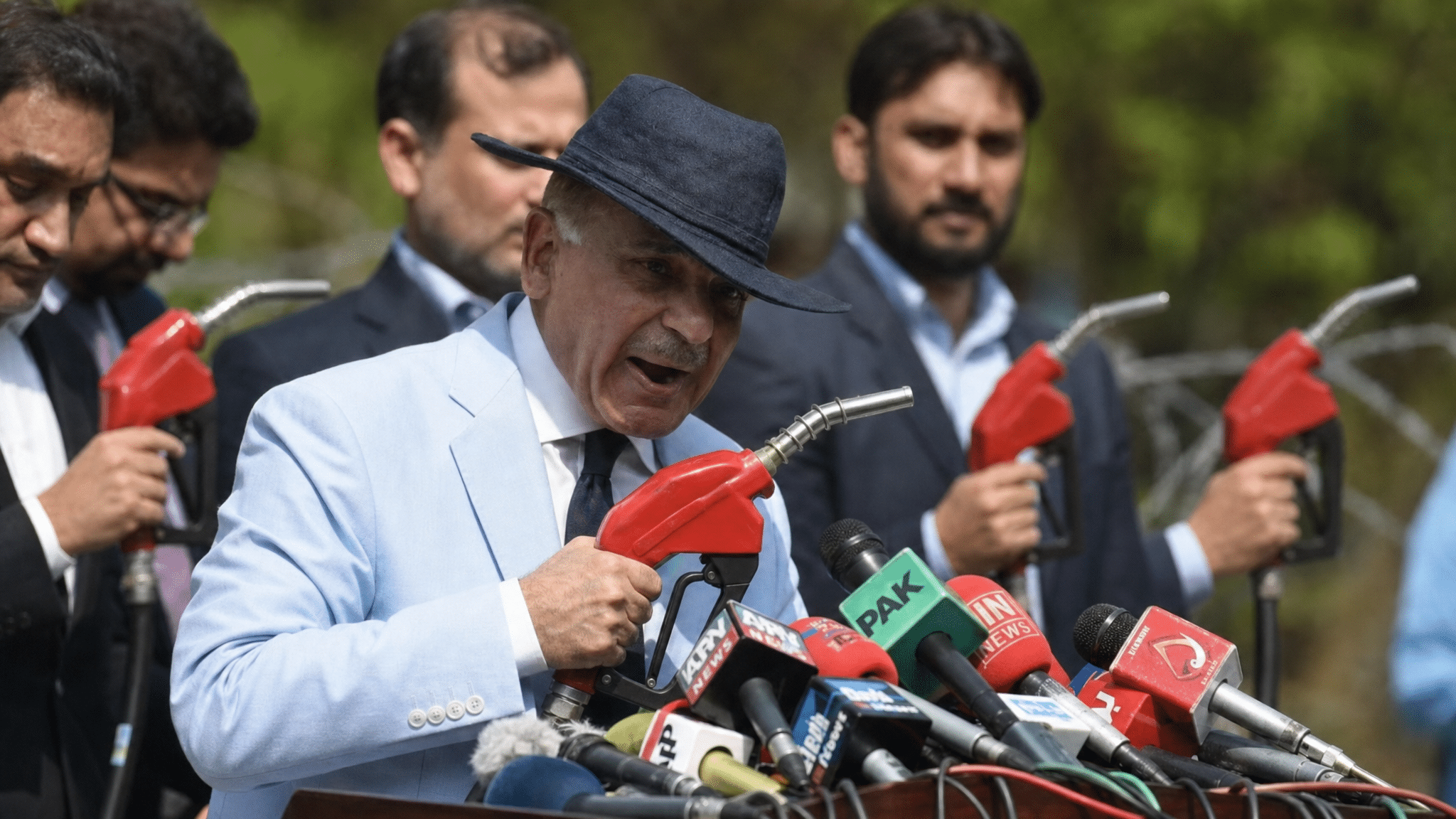
National economic resilience depends on the precision of resource distribution and adaptive policy frameworks. The Government of Pakistan has officially constituted a high-level committee to design a weekly pricing mechanism for petroleum products. This strategic shift aims to provide petrol prices relief by synchronizing domestic rates with the recent decline in global crude oil values. Prime Minister Shehbaz Sharif issued direct orders to transfer these international benefits to the public immediately, following a three-month low in global market benchmarks.
Achieving Precision in Petrol Prices Relief
Petroleum Minister Ali Pervaiz Malik highlighted that the proposed formula will enhance transparency for the average consumer. By moving away from longer pricing cycles, the government can calibrate domestic costs against the volatility of the global market with greater frequency. This move serves as a catalyst for broader economic stabilization, ensuring that the downward trend in international crude prices reflects on the local baseline without unnecessary delays.
The government is simultaneously reviewing its overarching energy security framework. This comprehensive audit includes several initiatives designed to safeguard national interests and fortify the energy infrastructure against external shocks. Minister Malik previously signaled this reduction, noting that improved regional stability and falling prices created the ideal window for this structural transition.
The Translation: Contextualizing Weekly Pricing
Traditionally, Pakistan utilized a fortnightly pricing model, which often resulted in a time lag between global market shifts and domestic adjustments. Transitioning to a weekly cycle removes this friction. It allows the economy to react in real-time to price contractions, ensuring that the consumer is not paying a premium for fuel while the rest of the world enjoys a surplus. This is a technical recalibration of the supply chain’s financial layer.

The Socio-Economic Impact: Daily Life in Pakistan
The implementation of accelerated petrol prices relief offers tangible benefits for both urban and rural populations:
- Logistics Efficiency: Reduced fuel costs directly lower the operational expenses for goods transport, potentially cooling food inflation.
- Household Liquidity: For professional commuters and families, quicker price drops translate into immediate savings in monthly disposable income.
- Agricultural Baseline: Farmers relying on diesel-powered machinery will see a faster reduction in input costs during global price dips.

The Forward Path: Strategic Analysis
This development represents a Momentum Shift. Moving toward a more frequent pricing interval indicates a transition from a rigid, reactive administration to a dynamic, data-driven governance model. While this mechanism increases the administrative workload on regulators, the resulting synchronization with global markets creates a more predictable economic environment for businesses and citizens alike.
Furthermore, by involving all stakeholders in the formula’s development, the government builds the necessary trust to implement broader energy reforms. As global markets fluctuate, this precision-calibrated system will serve as the first line of defense for the Pakistani consumer’s purchasing power.