
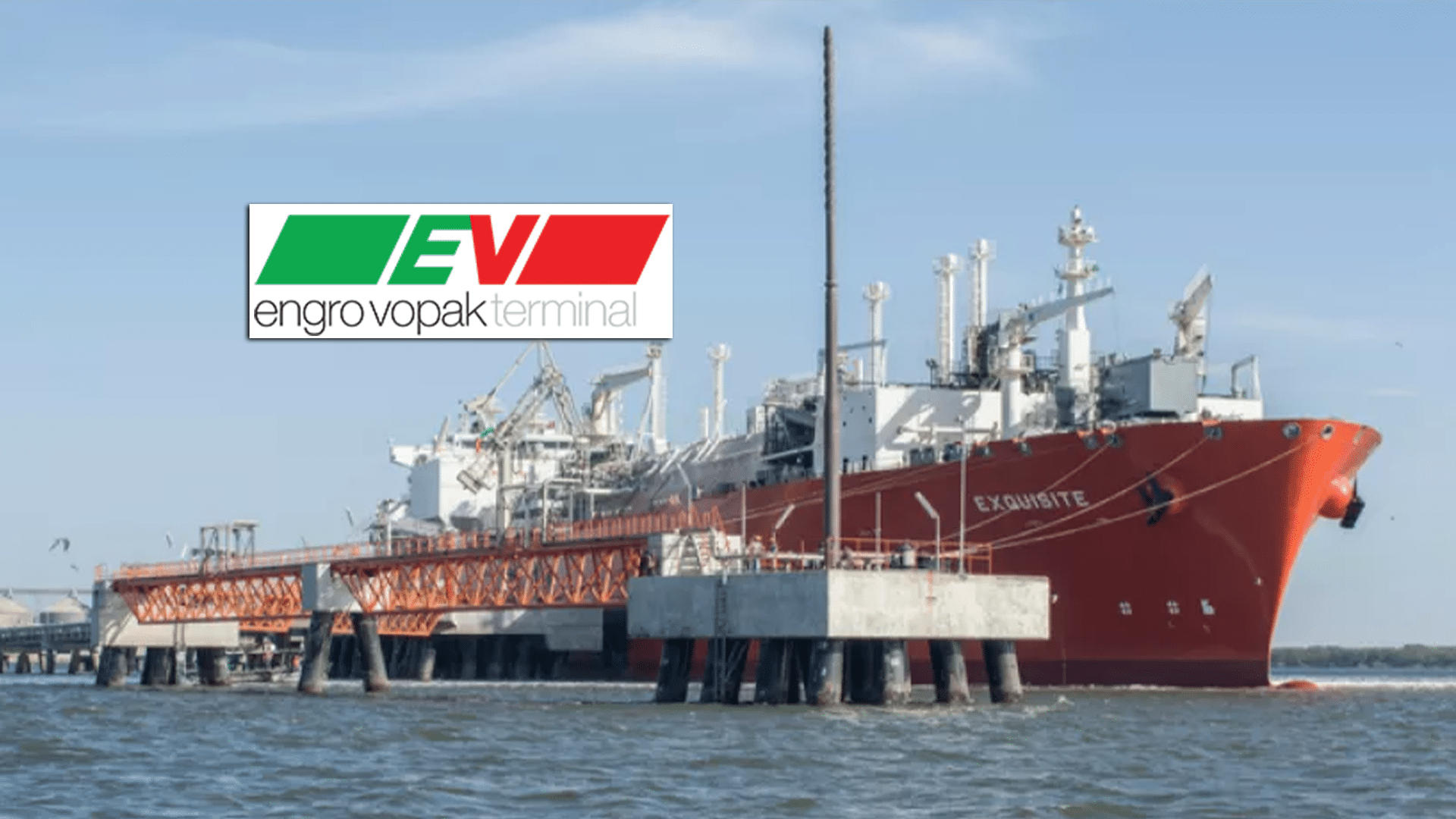
Structural efficiency serves as the primary catalyst for national economic resilience. Recently, the Port Qasim Authority (PQA) solidified this baseline by renewing the Terminal Operations Agreement with Engro Vopak Terminal Limited (EVTL). This strategic move ensures the uninterrupted flow of bulk liquid chemicals and Liquefied Petroleum Gas (LPG) into Pakistan’s industrial core. By maintaining this critical infrastructure, the government facilitates a calibrated supply chain for essential raw materials.
Strengthening Pakistan’s Industrial Backbone
The renewal of the Terminal Operations Agreement secures a vital link in the nation’s energy and logistics framework. EVTL, a high-precision joint venture between Engro Corporation and Royal Vopak of the Netherlands, operates the only integrated facility of its kind at Port Qasim. Consequently, the terminal handles a dominant share of the imports that fuel Pakistan’s most productive sectors.
- Agriculture: Essential chemicals for fertilizers and pesticides.
- Textiles: Raw materials for chemical processing and dyeing.
- Energy: A significant portion of the nation’s LPG marine imports.
- Manufacturing: Bulk liquids required for construction and industrial production.
Technical Excellence and BOT Framework
EVTL operates under a disciplined Build-Operate-Transfer (BOT) arrangement, ensuring that private sector innovation enhances public assets. Furthermore, the partnership with Royal Vopak brings global technical expertise to local shores. This technical calibration allows the terminal to meet rigorous international safety standards while remaining a non-exclusive, strategic asset for the state. Following this renewal, the company has expressed interest in developing refrigerated LPG storage to further boost capacity.
The Situation Room Analysis
The Translation (Clear Context)
While this renewal appears to be a standard administrative update, it represents a precision-calibrated extension of Pakistan’s “chemical lungs.” The government has effectively re-certified a proven operator to manage high-risk, high-reward energy infrastructure. Essentially, this agreement prevents the logistical friction that typically occurs during operator transitions, ensuring market stability.
The Socio-Economic Impact
For the average Pakistani citizen, this agreement translates directly into energy security and price stability. Reliable LPG imports prevent seasonal shortages that affect millions of households and small businesses. Additionally, by supporting the textile and agricultural sectors, the terminal indirectly protects thousands of jobs and maintains the export pipeline required for national economic health.
The Forward Path (Opinion)
This development represents a Momentum Shift. Rather than just maintaining the status quo, the focus on potential future investments like refrigerated storage indicates a proactive move toward modernization. This shift is critical for Pakistan to transition from basic port handling to becoming a sophisticated regional energy hub.








