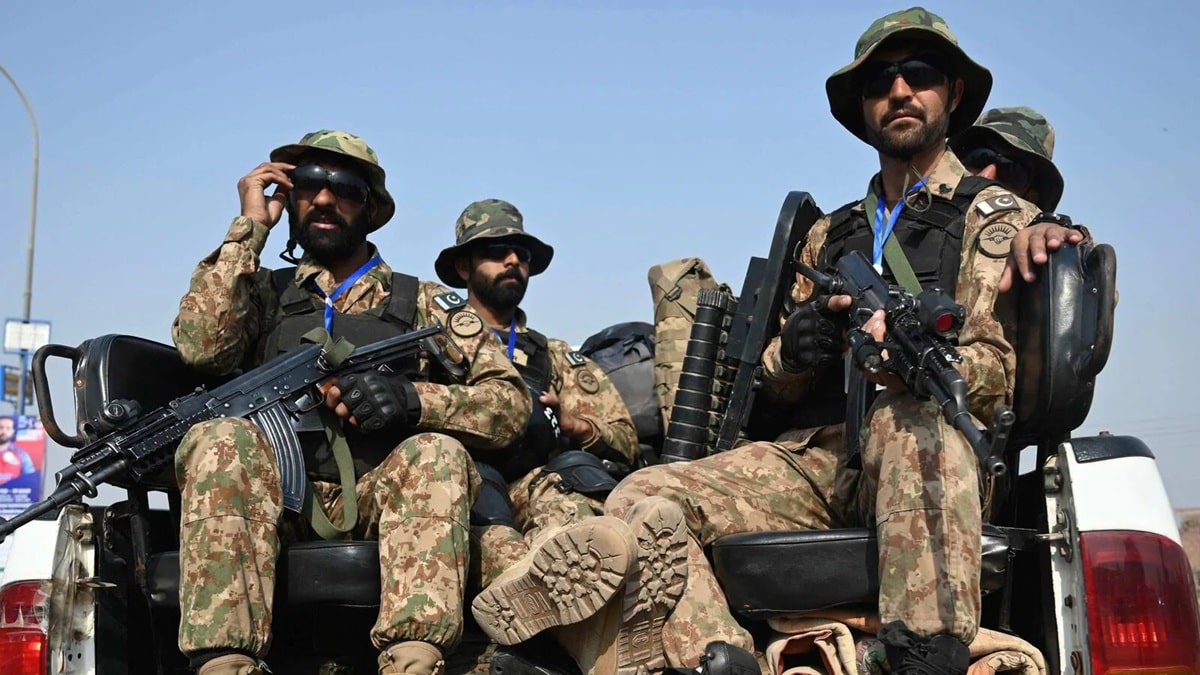
National institutional stability relies on the calibrated influx of disciplined human capital into our defense frameworks. Consequently, the Army Selection and Recruitment Center (ASRC) Multan has officially initiated a mobile Army recruitment drive targeting the tehsils of Vehari and Mailsi. This strategic mobilization provides decentralized access for rural candidates seeking to serve as Sepoys, Clerks, or Nursing Assistants.
Operational Logistics: The Recruitment Schedule
The ASRC Multan has established a precise timeline to manage the intake process effectively. According to the structural plan, officials will receive applications at the District Council Hall Vehari on June 18 and 19, 2026. Subsequently, the mobile team will transition to the Mailsi Garrison on June 20, 2026, to accommodate candidates from that tehsil.

Structural Eligibility Standards for Candidates
Precision is fundamental to military service; therefore, candidates must meet specific physical and educational benchmarks to qualify for the Army recruitment drive. The requirements are calibrated as follows:
- Sepoy: Requires a minimum of Matric qualification and a height of 167.5 cm.
- Clerk: Candidates must possess an Intermediate education (Science or Arts) and a minimum height of 160 cm.
- Nursing Assistant: Applicants must hold an FSc Pre-Medical certification with a height baseline of 167.5 cm.

Furthermore, the Pakistan Army maintains an inclusive framework by reserving a specific quota for non-Muslim candidates. All aspiring recruits must arrive at their designated locations by 7:00 a.m. sharp. It is mandatory to present original educational certificates to the recruitment officers upon arrival.
The Translation: Clear Context
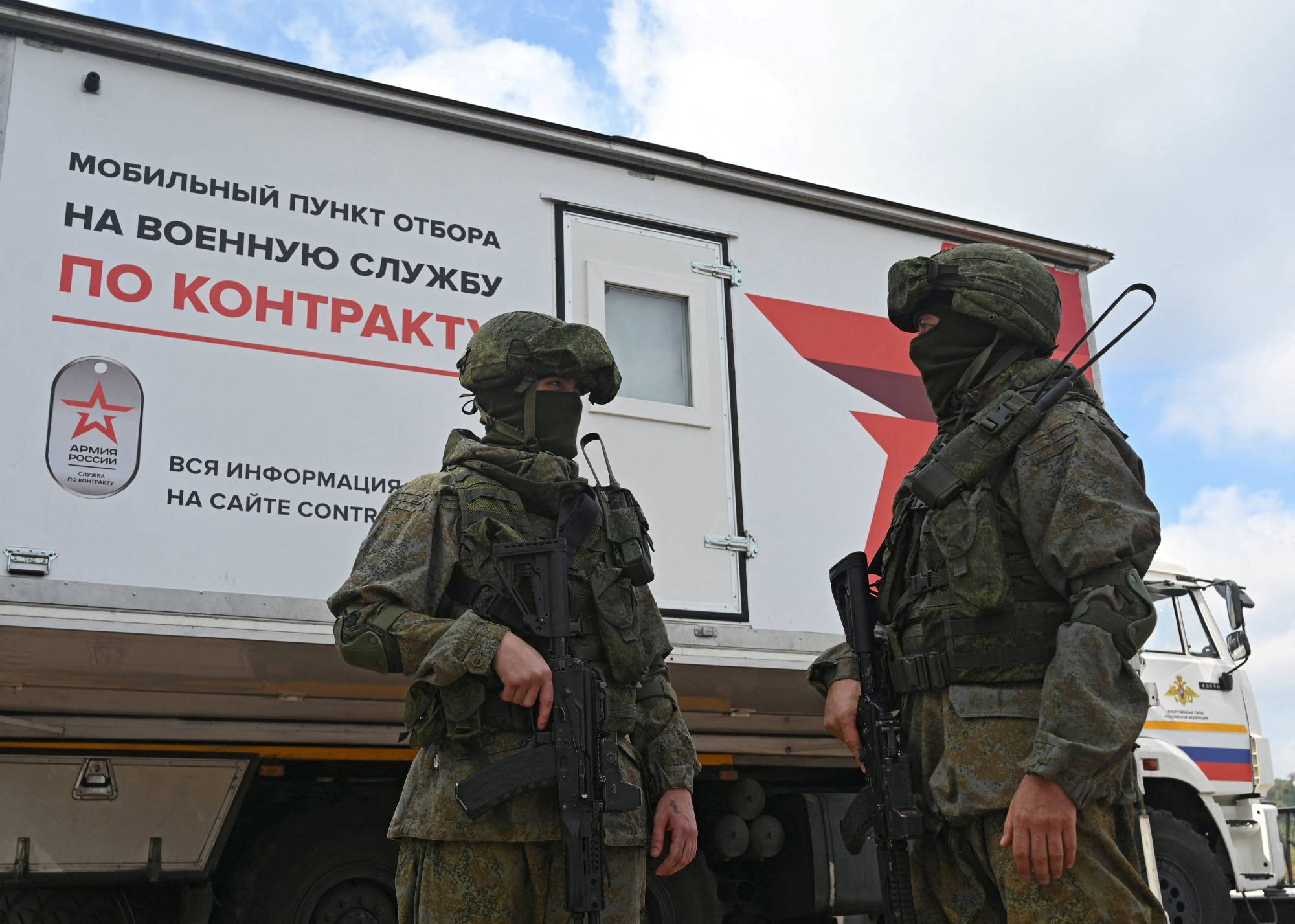
A mobile Army recruitment drive is essentially a decentralized service delivery model. Instead of requiring candidates to travel to major urban hubs like Multan, the institution brings the “office” to the citizens. This removes economic barriers such as travel costs and allows for a more diverse, geographically representative intake into the national security apparatus.
The Socio-Economic Impact
This initiative acts as a catalyst for socio-economic mobility in the Vehari district. For a young professional in rural Punjab, securing a position as a Clerk or Nursing Assistant provides a stable salary, healthcare, and a structural path to career advancement. By lowering the entry barrier through local drives, the Army strengthens the household economy of rural citizens, ensuring that merit—rather than proximity to a city—dictates career success.
The Forward Path: Strategic Opinion
This development represents a Momentum Shift in how national institutions engage with the periphery. By digitizing and decentralizing recruitment, the Pakistan Army ensures that its ranks are filled with the most qualified individuals from every corner of the country. For the “Next Gen” Pakistani, this signifies a system that is becoming more efficient, transparent, and accessible.