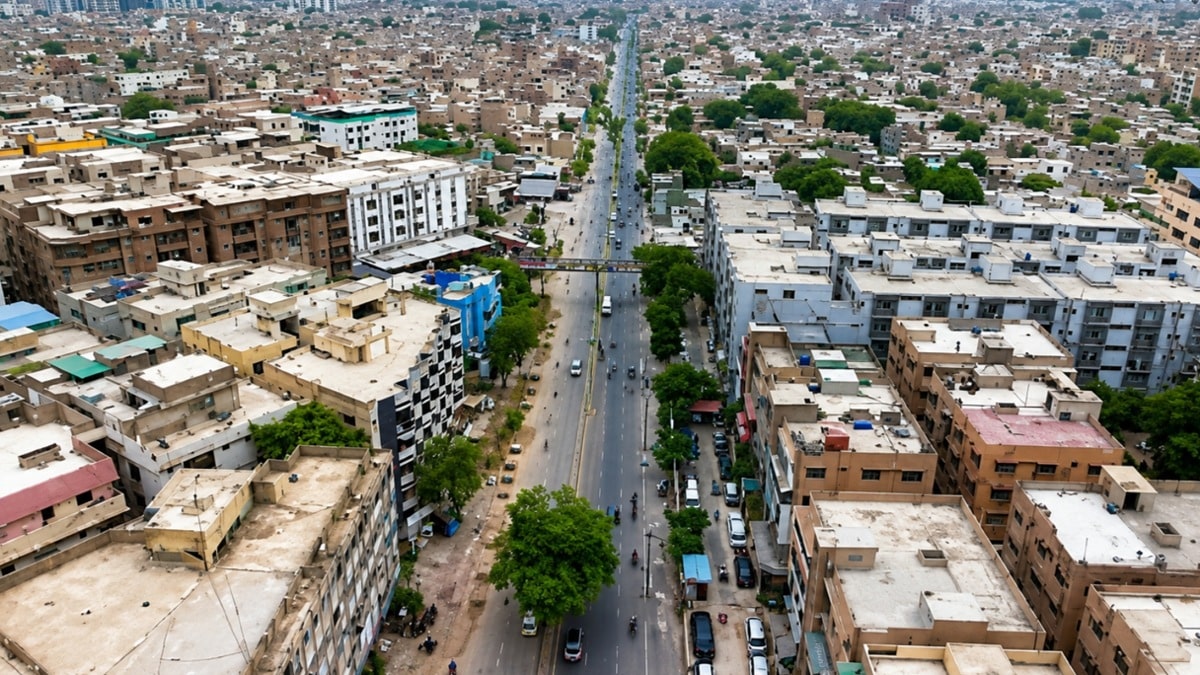
The Mechanics of Modernization: Jahangir Road Karachi
Karachi Mayor Barrister Murtaza Wahab recently inspected the finalized reconstruction phases of Jahangir Road Karachi. This vital arterial project represents a calibrated effort by the Karachi Metropolitan Corporation (KMC) to restore systemic efficiency to one of the city’s most congested corridors. By bypassing jurisdictional bottlenecks, the KMC has prioritized civilian mobility over bureaucratic friction to ensure the second section of the road meets modern engineering standards.
The Mayor confirmed that reconstruction on the second phase is nearing its final stage. Currently, engineering teams are focusing on finishing touches to ensure long-term durability. Consequently, the restoration of this route has already triggered a measurable improvement in the local traffic baseline. This strategic intervention demonstrates a commitment to upgrading the city’s logistical skeleton through precision development.
Structural Upgrades and Visual Alignment
Beyond the asphalt, the KMC is implementing a multi-layered upgrade to the corridor’s ecosystem. Barrister Wahab announced comprehensive plans to remove hazardous overhead cables that currently disrupt the urban skyline. Additionally, the project includes calibrated improvements to the green belts and a full modernization of the streetlight network. These enhancements aim to provide a safer, more efficient environment for both motorists and pedestrians.

The Situation Room: Strategic Breakdown
The Translation
While Jahangir Road technically falls under federal jurisdiction, the KMC exercised executive initiative to undertake the project. This move eliminates the “governance gap” where critical infrastructure often deteriorates due to split responsibilities. In simpler terms, the local government has prioritized immediate results over waiting for federal budget allocations, ensuring the “Next Gen” clarity of action required in a mega-city like Karachi.
The Socio-Economic Impact
For the average Pakistani citizen, this reconstruction translates directly into reduced fuel consumption and shorter commute times. Specifically, students and professionals traversing from central districts will experience a significant reduction in vehicle wear and tear. Furthermore, the enhanced lighting and removal of overhead cables mitigate safety risks, fostering a more secure environment for late-shift workers and local businesses along the corridor.
The “Forward Path” (Opinion)
This development represents a Momentum Shift. By taking ownership of federally managed assets, the KMC is setting a precedent for proactive urban management. While stabilization is important, the aggressive timeline and inclusion of green infrastructure suggest a pivot toward modern urbanism. However, the long-term success of this catalyst depends on rigorous maintenance and the prevention of future encroachment on the newly developed green belts.