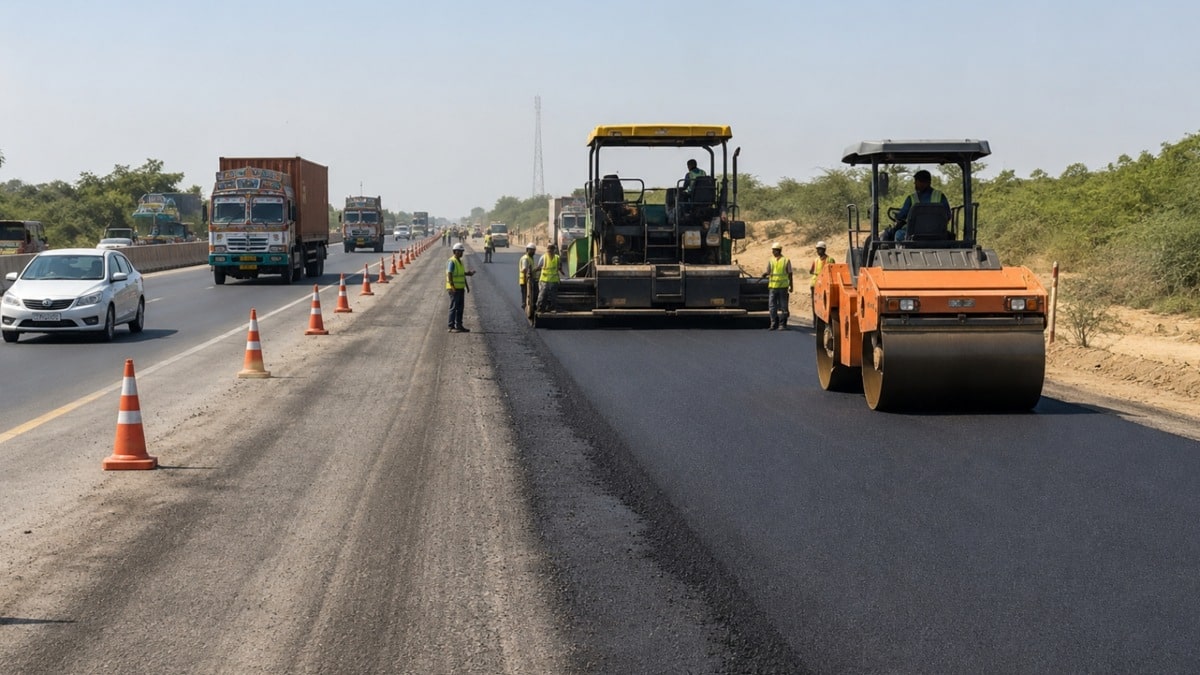
The Punjab road project connecting Rawalpindi to Kahuta faces a structural setback as the Budget 2026-27 allocates only Rs. 1 billion against a required Rs. 16.9 billion. This strategic 28.4-kilometer dual carriageway remains a critical catalyst for regional connectivity, yet current funding levels signal a calibrated deceleration in its completion timeline.
Analyzing the Rawalpindi-Kahuta Infrastructure Blueprint
The Executive Committee of the National Economic Council (ECNEC) approved this precision-driven initiative in July 2023. The scope includes a dual carriageway, the Sihala Railway Crossing bridge, and essential bypasses at Sihala and Kahuta. However, the fiscal baseline has shifted significantly. While the project requires a total investment of Rs. 23.545 billion, expenditures have only reached Rs. 6.586 billion. Consequently, the massive shortfall of Rs. 16.958 billion creates a bottleneck that prevents full-scale mobilization.
The Translation: Precision Behind the Delays
In technical terms, the project is underfunded relative to its structural requirements. The government’s allocation of Rs. 1 billion represents less than 6% of the remaining capital needed. This strategic pacing suggests that while the project remains a priority, the immediate fiscal environment necessitates a phased approach rather than rapid completion. Furthermore, the slow progress—completing only one kilometer last year—indicates that operational efficiency is currently tied to these tight liquidity constraints.
The Socio-Economic Impact of the Punjab Road Project
This infrastructure development serves as more than just asphalt; it is a lifeline for urban and rural households. The delay affects several key areas:
- Connectivity: The route directly links Rawalpindi to Kahuta, extending critical access to Kotli and Rawalakot in Azad Jammu and Kashmir.
- Economic Efficiency: Planned bypasses at Sihala and Kahuta aim to reduce transit times for logistics and daily commuters.
- Strategic Defense: The corridor maintains vital significance for regional road networks and national security logistics.
For the average citizen, these delays translate into continued traffic congestion and higher vehicle maintenance costs due to incomplete infrastructure. Consequently, the project’s stagnation slows the economic integration of these regions.
The Forward Path: A Stabilization Move
In my expert assessment, the current budgetary allocation represents a “Stabilization Move” rather than a momentum shift. While the government maintains the project on the books to preserve the legal framework, the limited funding prevents the architectural progress required for a 2027 completion. To catalyze regional growth, the administration must calibrate future budgets to bridge the Rs. 16.9 billion gap. Maintaining this strategic asset is essential to ensure it does not become a stranded investment for the people of Punjab.