
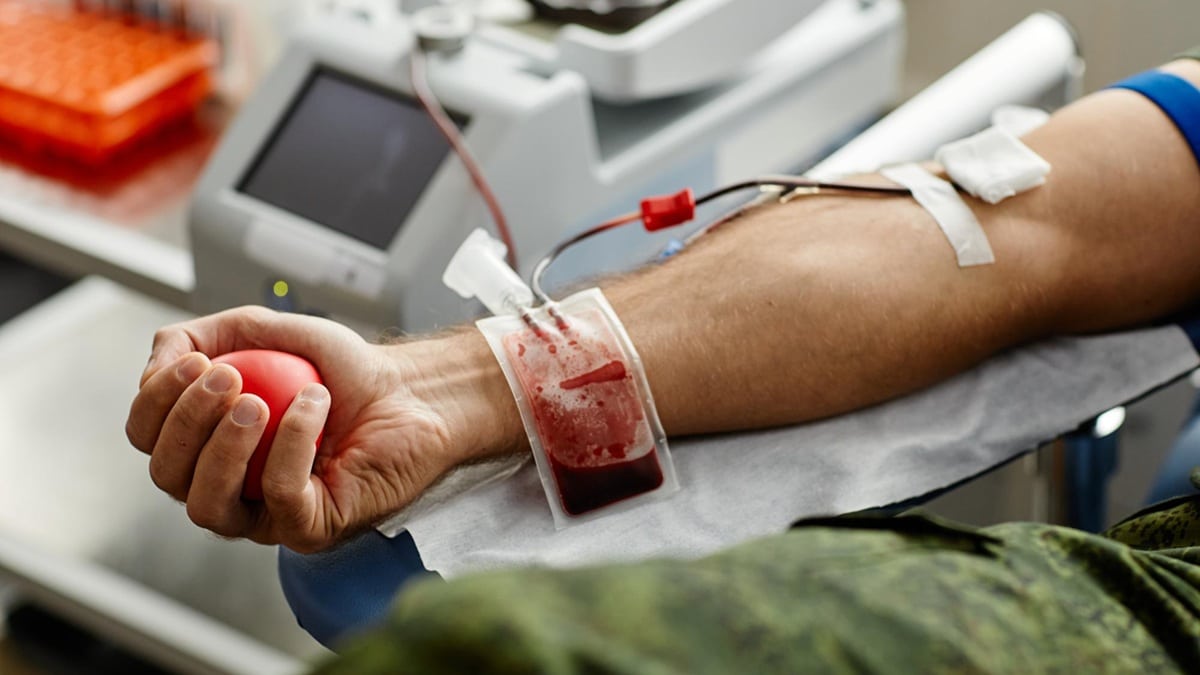
Pakistan’s healthcare infrastructure currently operates under a calibrated deficit, as the national blood donation shortfall reaches a staggering 2.3 million units annually. The World Health Organization (WHO) recently issued a strategic appeal on World Blood Donor Day, emphasizing that the country requires approximately 5 million units per year but receives only 2.7 million. Consequently, this systemic gap poses a direct threat to surgical outcomes and maternal health safety across the nation.
Analyzing the Structural Blood Donation Shortfall
The current data indicates a significant reliance on replacement donors rather than a sustainable voluntary pool. Currently, only 18 percent of donations are voluntary and unpaid, while a dominant 82 percent come from family members or replacement donors. WHO Representative in Pakistan, Dr. Luo Dapeng, categorized voluntary donors as “public health heroes” whose precision-timed generosity maintains the baseline of hospital operations. Furthermore, he noted that no patient should face mortality simply due to a lack of structural access to safe blood supplies.
The Critical Role of Blood Transfusions
Blood supplies are a catalyst for survival in numerous medical scenarios. According to WHO, safe transfusions are essential for the following conditions:
- Pregnancy-related bleeding and obstetric emergencies.
- Severe childhood anemia and nutritional deficiencies.
- Chronic bleeding disorders such as Thalassemia and Hemophilia.
- Life-saving support for cancers, surgeries, and disaster response.
The Translation: Decoding the Healthcare Gap
In technical terms, the “replacement donor” model indicates a reactive healthcare culture. When 82% of blood comes from family members in the moment of crisis, the system lacks a proactive reserve. This creates a “just-in-time” supply chain that is vulnerable to failure during large-scale emergencies or in rural areas where transport logistics are complex. Transitioning to a 100% voluntary model would ensure that blood is screened and ready before the patient even enters the operating theater.
The Socio-Economic Impact
For the average Pakistani citizen, this blood donation shortfall manifests as a high-stress financial and logistical burden. Families are often forced to find multiple donors under extreme emotional duress during medical emergencies. This instability disproportionately affects low-income households who may lack the social networks required to source rapid replacements. Ultimately, a stabilized blood supply chain would improve national productivity by reducing the mortality rate of mothers and young children, who are the most frequent victims of this shortage.
The Forward Path: Strategic Momentum
This development represents a Stabilization Move that is currently trailing behind global healthcare benchmarks. While medical science in Pakistan has advanced, the procurement of raw biological material—blood—remains primitive. To achieve a true Momentum Shift, the government must invest in standardized screening methods and nationalized blood banks. We must move beyond the “family-only” paradigm and foster a culture of civic duty through STEM-backed awareness campaigns. Every donation is a calibrated investment in the nation’s biological resilience.








