
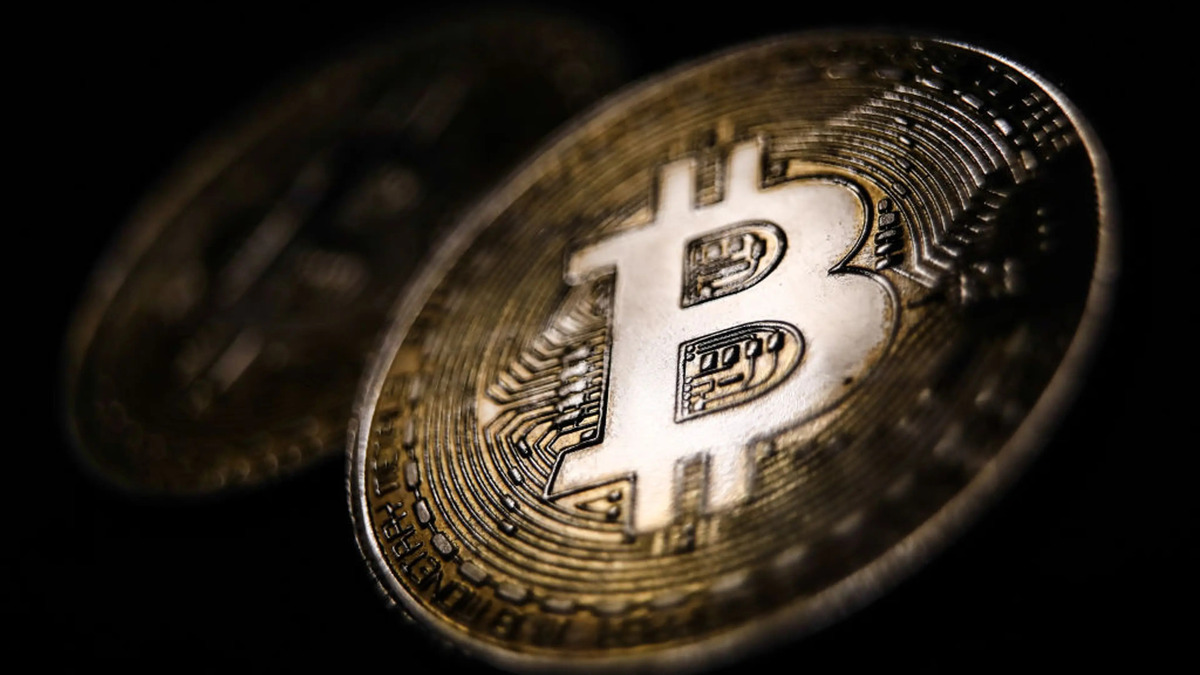
The global digital asset landscape is currently undergoing a structural recalibration as Bitcoin market value retreats nearly 50% from its July 2025 peak. Following a 13% decline in June 2026 to a baseline of $64,394, the world’s primary cryptocurrency has significantly diverged from its historic $123,000 high. Consequently, this volatility has forced institutional and retail investors to execute a precision audit of their long-term holdings.
Structural Shifts in Bitcoin Market Value
Historically, aggressive selloffs in the crypto sector preceded rapid rebounds. However, the current trajectory suggests a more systemic reconsideration of the asset’s role in a diversified portfolio. Daniel Sotiroff of Morningstar indicates that these calibrated losses serve as a critical reminder that extreme gains are inextricably linked to significant downside risks.
Strategic financial planners now advocate for limiting exposure to digital assets to a marginal percentage of total capital. Because the future direction of decentralized currencies remains difficult to predict with scientific precision, maintaining a low-exposure baseline is the most rational defensive maneuver for risk-averse investors.
Asset Classification: Speculation vs. Utility
Prominent finance experts, including Professor Robert Johnson of Creighton University, argue that Bitcoin lacks the fundamental attributes of traditional assets. Unlike stocks or real estate, Bitcoin does not generate interest, earnings, or rental yields. Therefore, its price reflects investor demand rather than intrinsic cash-flow utility.

In contrast to income-producing assets, many now categorize Bitcoin as a “collectible.” This classification stems from the fact that its valuation relies exclusively on what the next market participant is willing to pay. For the disciplined investor, this distinction transforms Bitcoin from a strategic investment into a speculative tool.
The “Situation Room” Analysis
The Translation (Clear Context)
The logic behind this market shift is simple: Bitcoin is transitioning from a “growth-at-all-costs” asset to one undergoing a rigorous stress test. While traditional investments are valued by the money they make, Bitcoin is valued by the trust people place in it. When trust wavers or liquidity tightens, the Bitcoin market value fluctuates as speculators exit to preserve capital.
The Socio-Economic Impact
For the average Pakistani professional or student engaged in the digital economy, this volatility is a catalyst for financial caution. High-risk exposure can lead to sudden household wealth erosion. Strategically, this movement emphasizes the need for better financial literacy, ensuring that citizens do not treat crypto as a guaranteed “get-rich-quick” mechanism but as a high-risk secondary asset.
The Forward Path (Opinion)
This development represents a Stabilization Move. While a 50% drop appears catastrophic, it serves as a necessary flush of market exuberance. For the Pakistani digital frontier to mature, we must move past speculative mania toward blockchain applications that offer tangible systemic efficiency. We view this correction as a mandatory step toward a more sober and sustainable digital asset ecosystem.








