
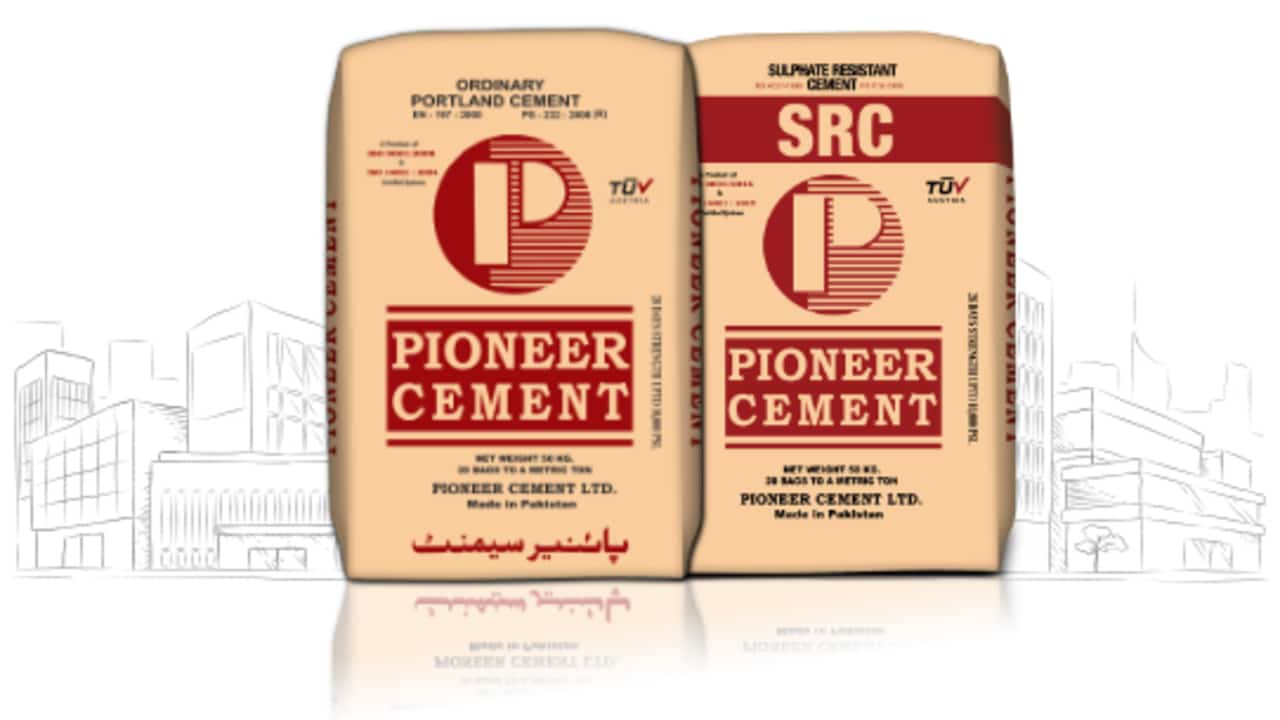
Industrial energy consumption represents the primary baseline for manufacturing scalability in Pakistan. Pioneer Cement Limited is currently calibrating its operational model by approving a 28.265 MW Pioneer Cement solar power plant at its manufacturing facility in Khushab. This strategic maneuver signifies a structural transition toward energy independence and long-term cost optimization within the heavy industry sector.
Strategic Integration of Pioneer Cement Solar Infrastructure
The company’s Board of Directors officially greenlit the solar initiative for its Chenki facility in Jauharabad, District Khushab. Consequently, the project aims to reach full commercial operations by the second quarter of fiscal year 2026-27. Furthermore, Pioneer Cement is financing this entire technological upgrade via internal cash flows, demonstrating a robust financial framework and commitment to shareholder value.
This investment reflects a broader, precision-driven trend across Pakistan’s cement landscape. Manufacturers are increasingly deploying renewable micro-grids to mitigate the impact of volatile grid tariffs. By securing an independent energy source, Pioneer Cement effectively shields its profitability from external price shocks. Moreover, this transition supports global sustainability benchmarks, ensuring the company remains competitive in a carbon-conscious market.
The Situation Room Analysis
The Translation (Clear Context)
By integrating a 28.265 MW solar array, Pioneer Cement is “behind-the-meter” generating its own power. This move decouples the factory from the national grid’s inefficiencies. In essence, the company is converting its sunlight exposure into a fixed-cost energy asset, which stabilizes the baseline expense for cement production.
The Socio-Economic Impact
This development offers a dual benefit to the Pakistani citizen. Primarily, industrial solar adoption reduces the total load on the national grid, potentially improving power stability for surrounding rural communities. Secondly, by lowering manufacturing overheads, Pioneer Cement creates the structural capacity to stabilize construction material prices for urban development and housing projects.
The Forward Path (Opinion)
We categorize this development as a Momentum Shift. Pakistan’s industrial leaders are no longer waiting for centralized energy reforms; they are architecting their own solutions. This self-financed model serves as a catalyst for other heavy industries to pursue localized renewable energy as a tool for economic survival and national progress.








