
The Structural Impact of Pakistan Deforestation
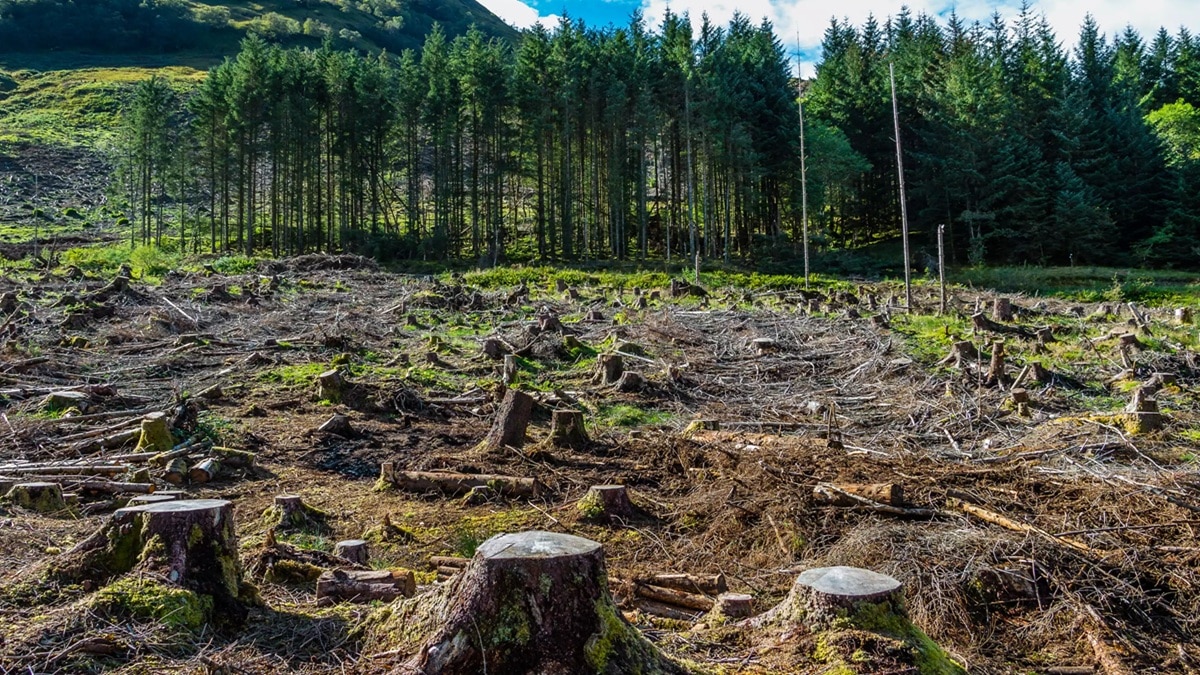
The structural integrity of Pakistan’s ecosystem faces a calibrated threat as latest data reveals a systematic depletion of our natural capital. The Pakistan Economic Survey 2026 indicates that Pakistan deforestation results in a loss of 11,000 hectares of forest area annually. Consequently, this persistent decline challenges our ecological balance, leaving the nation with a mere 4.11 million hectares of forest cover—just 4.7 percent of our total landmass.
Historically, coniferous forests represent the largest share of our green infrastructure. These are strategically supported by scrub forests, riverine forests, and mangroves. However, these vital resources remain under intense pressure. Despite their critical role in biodiversity and water regulation, rural poverty and population growth continue to accelerate land-use changes.
Calculating the Economic Value of Climate Resilience
Although the forestry sector directly contributes only 0.5 percent to the national GDP through commercial logging, its true economic value is significantly higher. Experts estimate the value of forest ecosystem services at 11.48 percent of the GDP. These services include essential water regulation and environmental protection. Therefore, protecting our shrinking resources is a move toward long-term economic well-being.
The Strategy for System Efficiency
To mitigate these risks, the Ministry of Climate Change is executing large-scale restoration initiatives. The Green Pakistan Program serves as the central catalyst for these efforts. With a calibrated budget of Rs. 122.15 billion, the program has facilitated the following:
- Regeneration of nearly 2.26 billion plants nationwide.
- Enhanced collaboration with provincial and territorial governments.
- Strategic ecosystem restoration to improve climate resilience.
The Situation Room Analysis
The Translation
In “Next Gen” terms, we must stop viewing forests solely as timber factories. While logging adds minimal direct value, the ecosystem services—such as flood prevention and natural cooling—act as a silent engine for 11% of our economy. The logic is simple: destroying forests is equivalent to dismantling our national insurance policy against climate disaster.
The Socio-Economic Impact
The current rate of Pakistan deforestation directly threatens the daily lives of citizens. For urban dwellers, less forest cover means intensified heatwaves and poorer air quality. For rural households, it translates to water scarcity and the loss of natural livelihoods. Ultimately, the 4.7% forest cover is a dangerously low baseline that compromises the safety of every Pakistani household.
The “Forward Path” (Opinion)
This development represents a Stabilization Move. While the Green Pakistan Program’s 2.26 billion plants show precision in scale, the annual loss of 11,000 hectares suggests that our protective measures are merely holding the line. To achieve a “Momentum Shift,” Pakistan must transition from reactive planting to proactive, tech-driven forest surveillance and stricter legal enforcement against illegal land conversion.








