
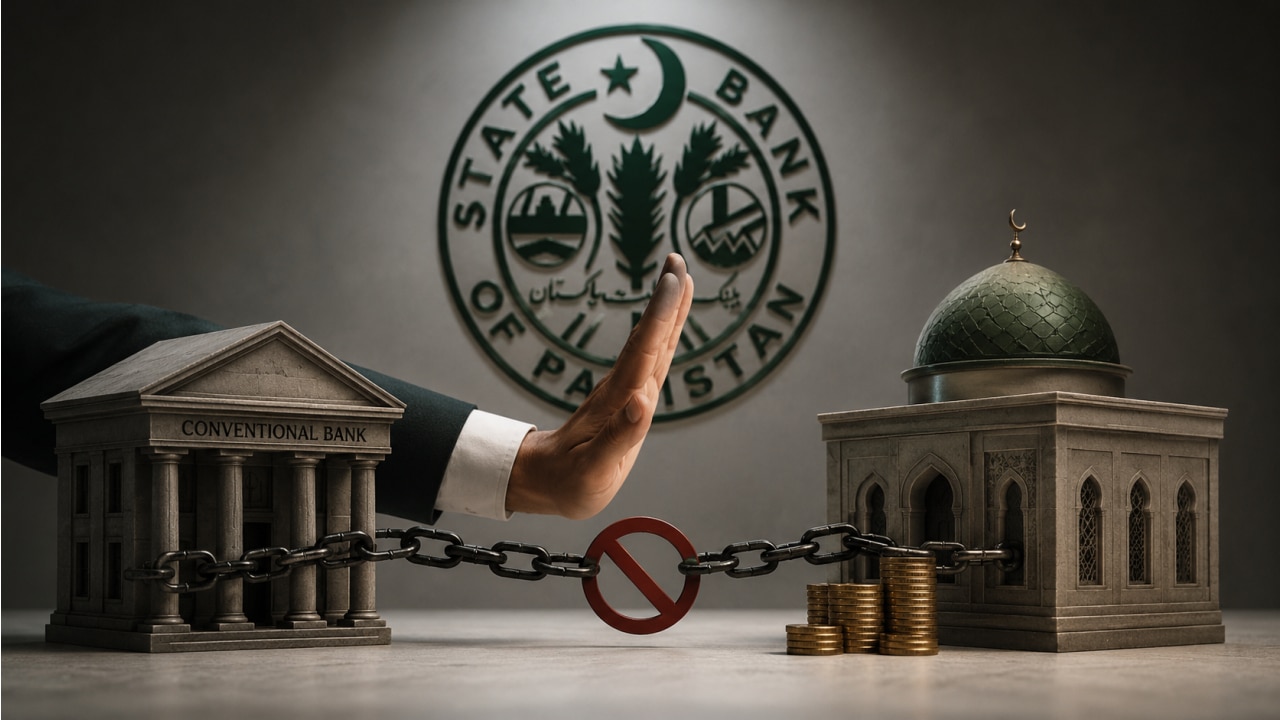
The State Bank of Pakistan (SBP) has calibrated the national Islamic banking system by banning loan-based fund placements between Islamic branches and their conventional parent entities. This strategic directive eliminates “Qard” arrangements and subsidized financing to ensure absolute structural integrity within the Shariah-compliant sector. Consequently, the regulator has ordered the immediate withdrawal of all existing funds currently held under these prohibited financial structures.
Strengthening the Islamic Banking System Framework
Central bank officials issued a clear mandate stating that such inter-bank transactions are incompatible with the current regulatory framework. The SBP intends to build a baseline of transparency that separates interest-based conventional pools from Islamic profit-sharing accounts. Furthermore, this move acts as a catalyst for a cleaner, more disciplined financial ecosystem that prioritizes adherence to religious and ethical benchmarks.
Accelerating Sectoral Conversion and Growth
The directive follows a recent policy shift allowing conventional banks to establish Islamic banking windows without prior regulatory approval. This tactical deregulation aims to accelerate the total conversion of traditional operations into modern Islamic services. Specifically, the SBP data highlights that 16 conventional banks currently operate alongside a massive network of 4,159 full-fledged Islamic branches and 3,473 windows.
- Total Full-Fledged Branches: 4,159
- Islamic Banking Windows: 3,473
- Sub-Branches: 166
- Asset Control: Conventional bank-operated Islamic branches control 42.8% of the total industry assets.

The Translation (Clear Context)
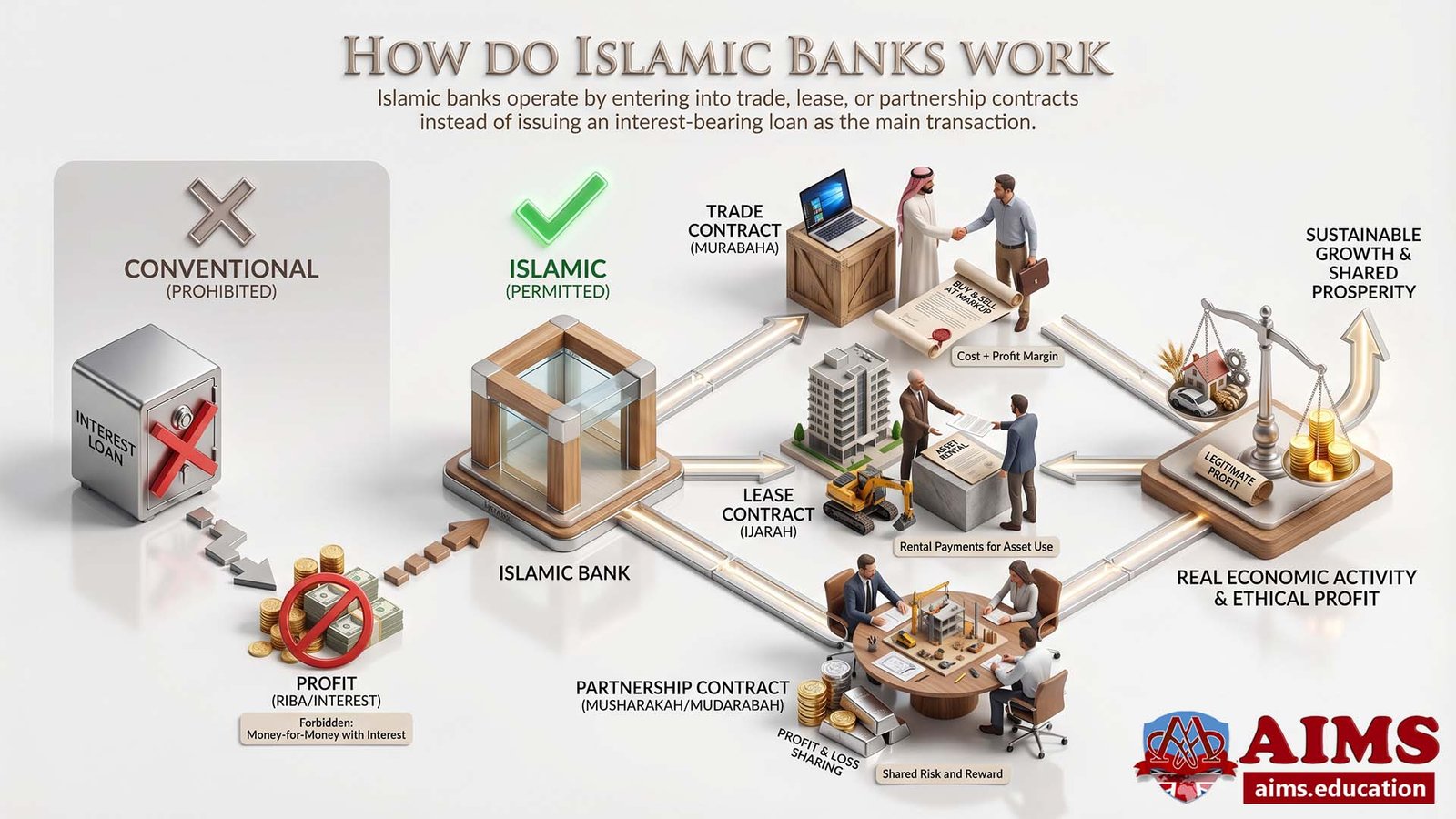
In previous cycles, Islamic branches often parked surplus cash with their conventional “parent” banks through interest-free loans (Qard). While this appeared convenient, it blurred the lines between two fundamentally different financial philosophies. The SBP is now enforcing a strict firewall. By banning these deals, the regulator ensures that Islamic capital remains within Islamic investment cycles, preventing any indirect cross-contamination with interest-based operations.
The Socio-Economic Impact
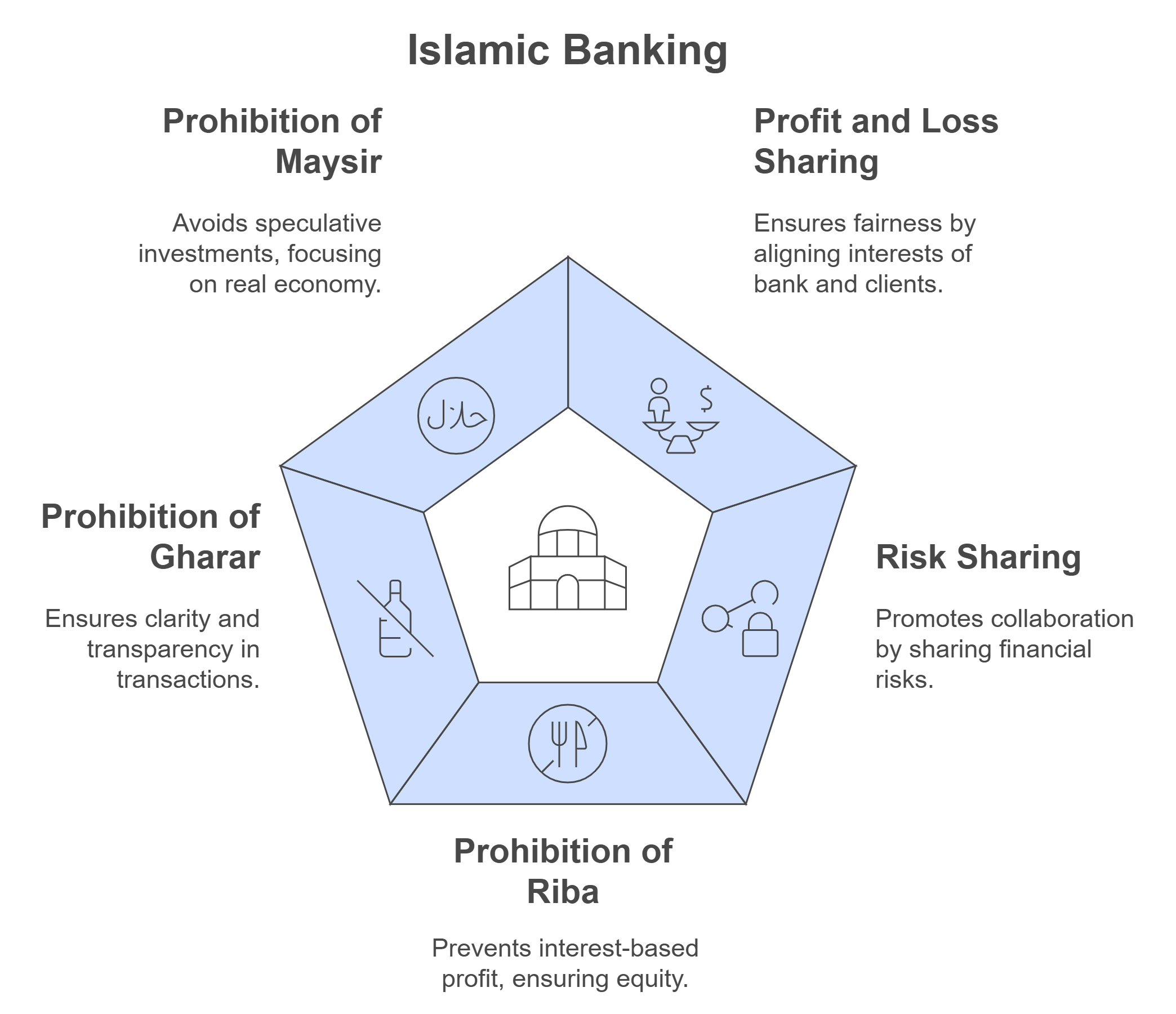
This structural precision directly benefits the Pakistani citizen by increasing the authenticity of ethical banking. For households and students, this move secures the “Shariah-compliant” promise, ensuring their savings do not support conventional interest structures even indirectly. Moreover, it creates a more competitive landscape where Islamic banks must innovate their own investment products rather than relying on parent-bank subsidies.
The “Forward Path” (Opinion)
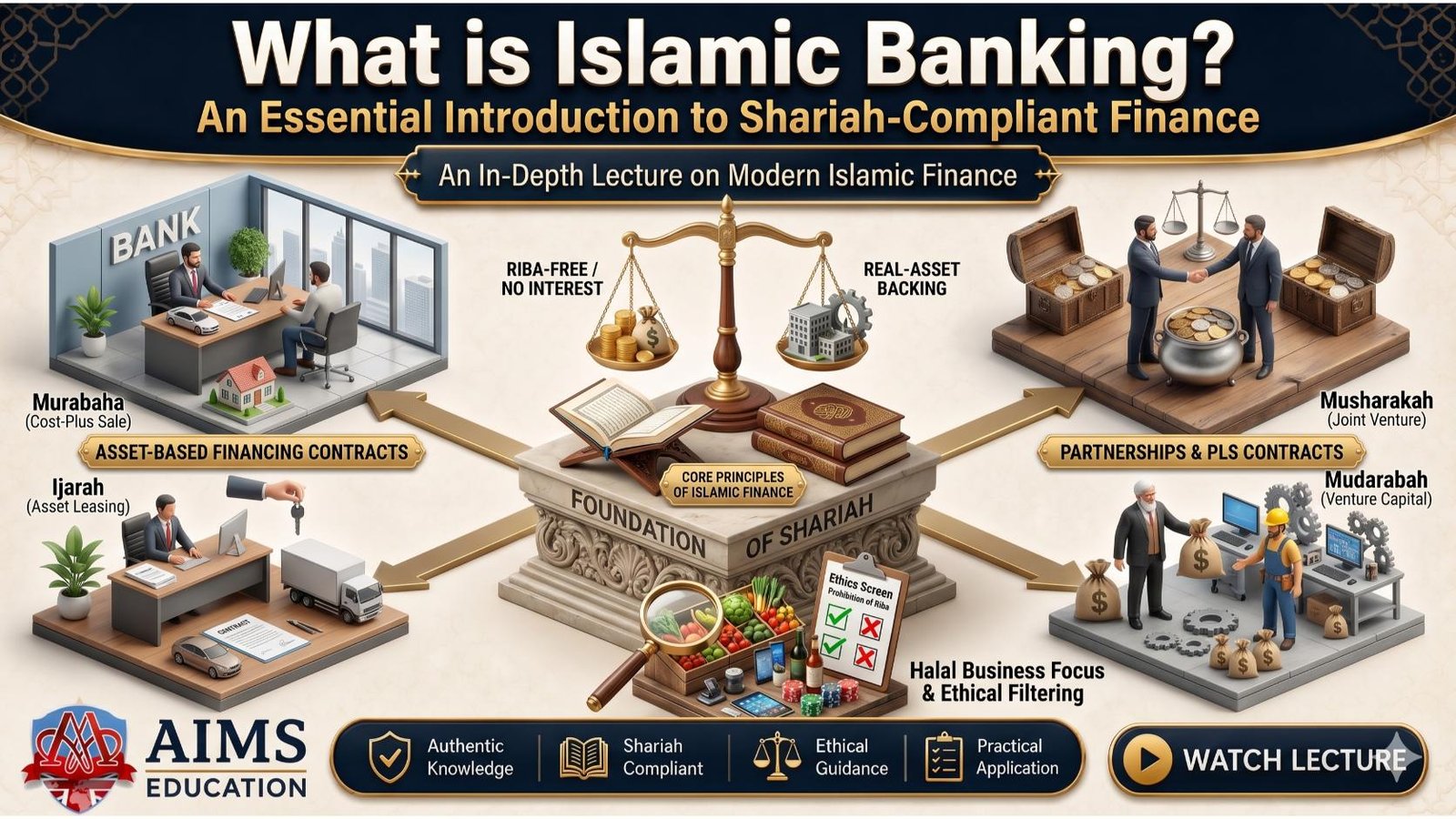
This development represents a significant Momentum Shift for Pakistan’s economy. By enforcing these boundaries, the SBP is signaling that the transition to a fully Islamic banking system is not merely a branding exercise but a deep structural overhaul. It forces conventional banks to either fully commit to the Islamic model or keep their operations strictly separated, ultimately driving the industry toward higher precision and global credibility.









