
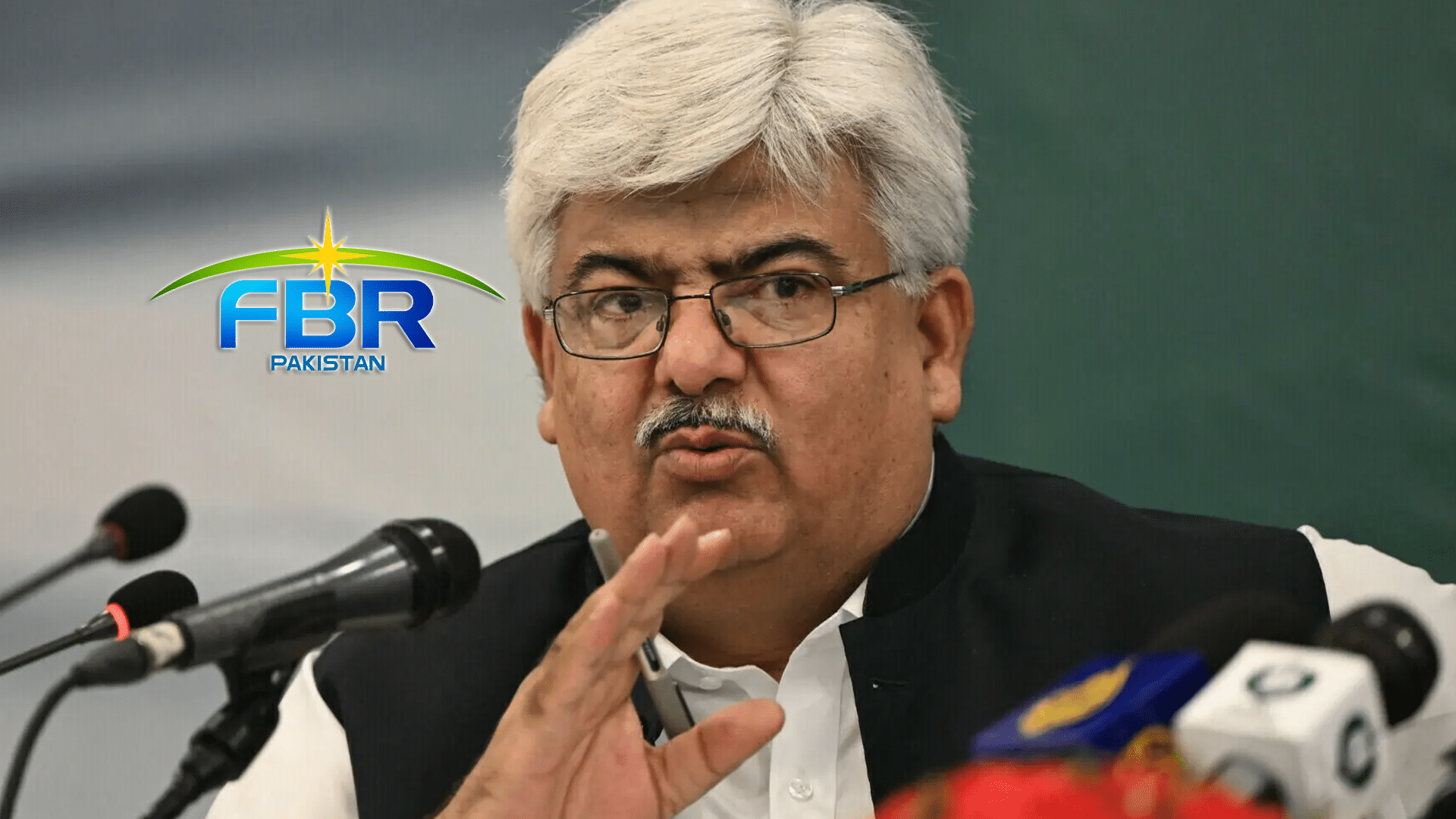
National fiscal stability depends entirely on the precision of revenue collection and structural accountability. Consequently, FBR Chairman Rashid Mahmood Langrial recently announced a calibrated shift toward intensive FBR Tax Audits. This initiative specifically targets traders whose visible lifestyles and spending patterns do not align with their declared “peanut” incomes. By leveraging data-driven assessments, the government intends to dismantle the culture of under-reporting that has long hindered Pakistan’s economic progression.
The Precision of Data-Driven FBR Tax Audits
Chairman Langrial rejected the common perception that a fixed payment of Rs. 25,000 fulfills all tax obligations. Instead, he emphasized that actual business activity and income levels will determine tax liability moving forward. The FBR is now utilizing advanced data analytics to identify discrepancies between reported earnings and real-world economic activity. If a trader records high sales volumes, they will face assessments based on prescribed rates, regardless of previous minimum tax arrangements.
Currently, nearly 70 million individuals in Pakistan are failing to pay the correct amount of tax. This staggering figure highlights a systemic challenge that has historically burdened a small segment of taxpayers. Furthermore, Langrial acknowledged that while corporate super taxes are not ideal long-term solutions, they were necessary catalysts for fiscal stabilization during recent economic constraints.
The Translation: Breaking Down the Logic
In simple terms, the FBR is moving away from a “honor system” toward a “verification system.” Previously, many traders utilized fixed tax regimes as a shield to hide massive profits. Now, the government is using digital footprints—such as luxury vehicle purchases, utility bills, and international travel—to cross-reference declared income. If your lifestyle suggests wealth that your tax return denies, the system triggers a mandatory audit.
The Socio-Economic Impact: What This Means for You
For the average Pakistani professional or household, this shift is a move toward equity. Currently, salaried individuals bear a disproportionate share of the tax burden because their income is easily tracked. By enforcing FBR Tax Audits on the undocumented retail and wholesale sectors, the government can eventually reduce the tax pressure on the middle class. A wider tax base typically leads to improved public services and a more stable rupee, directly benefiting every citizen.
The Forward Path: Architect’s Perspective
This development represents a significant Momentum Shift. Moving from arbitrary fixed taxes to data-backed lifestyle audits is a necessary evolution for any modern economy. While the transition may cause short-term friction in the markets, the long-term structural integrity of Pakistan’s economy depends on this level of precision. Success will hinge on the FBR’s ability to remain transparent and prevent these audits from becoming tools for harassment.








