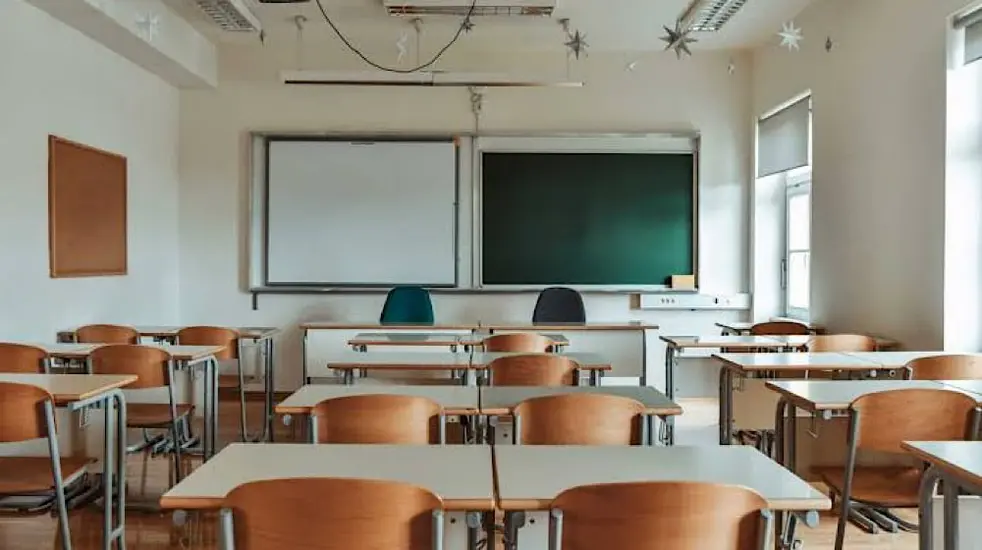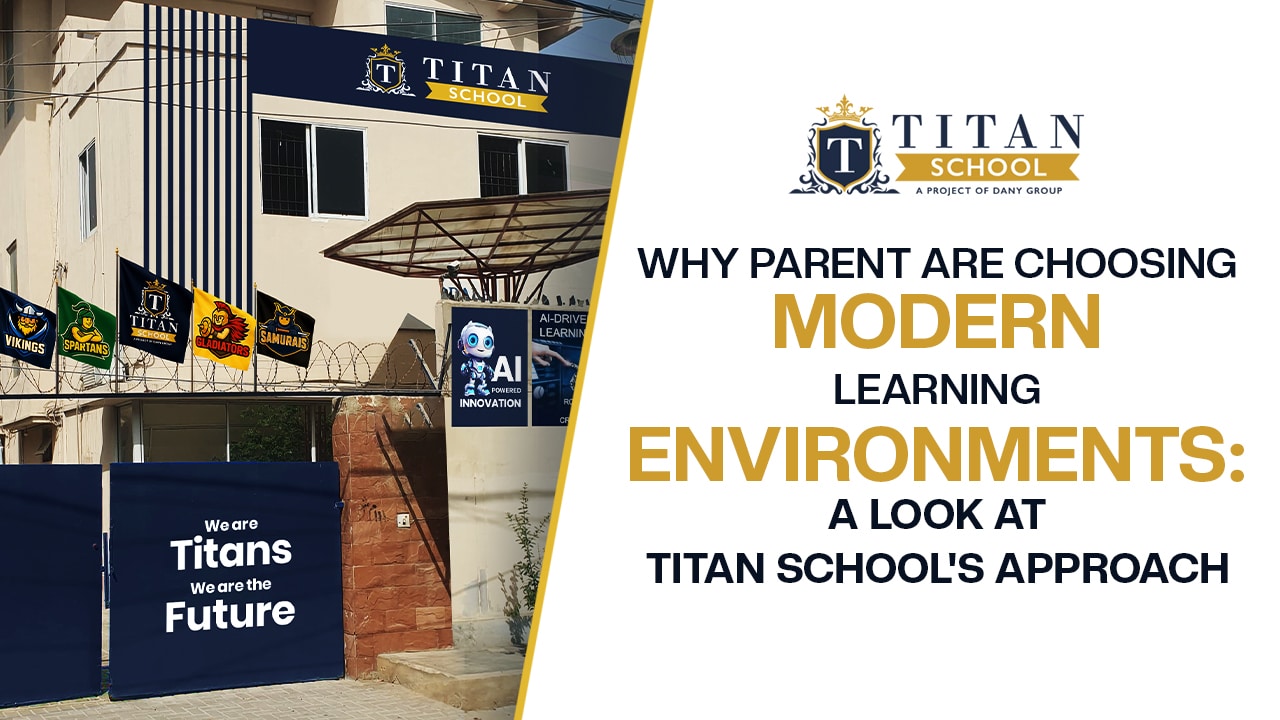
Pakistan’s educational landscape is undergoing a structural shift as parents increasingly prioritize modern learning environments to calibrate their children for a volatile global economy. Consequently, families are moving away from legacy instructional models that rely on repetitive patterns and rigid memorization. Titan School has emerged as a strategic catalyst in this space, offering an architectural approach to education that aligns with the demands of the 21st century. This transition signifies a deeper demand for precision-driven learning that fosters independent inquiry.
The Situation Room: Strategic Analysis
The Translation
In this context, “modern” does not merely refer to aesthetic upgrades; it signifies a move toward outcome-oriented education. Instead of measuring progress through static exam scores, Titan School focuses on cognitive agility and the application of knowledge. This approach replaces mechanical repetition with dynamic problem-solving, ensuring that students do not just store information but effectively deploy it.
The Socio-Economic Impact
For the average Pakistani household, this shift directly impacts long-term employability and social mobility. Students trained in these high-precision environments develop the adaptability required for the global digital economy. Therefore, families investing in such systems are effectively securing a competitive baseline for their children, bridging the gap between local schooling and international standards.
The Forward Path
We categorize this development as a Momentum Shift. The move toward modern learning environments represents a critical progression from maintenance-mode education to a growth-oriented framework. This evolution is essential for Pakistan to produce the architects, engineers, and innovators required for national advancement.
Calibrating Progress Within Modern Learning Environments
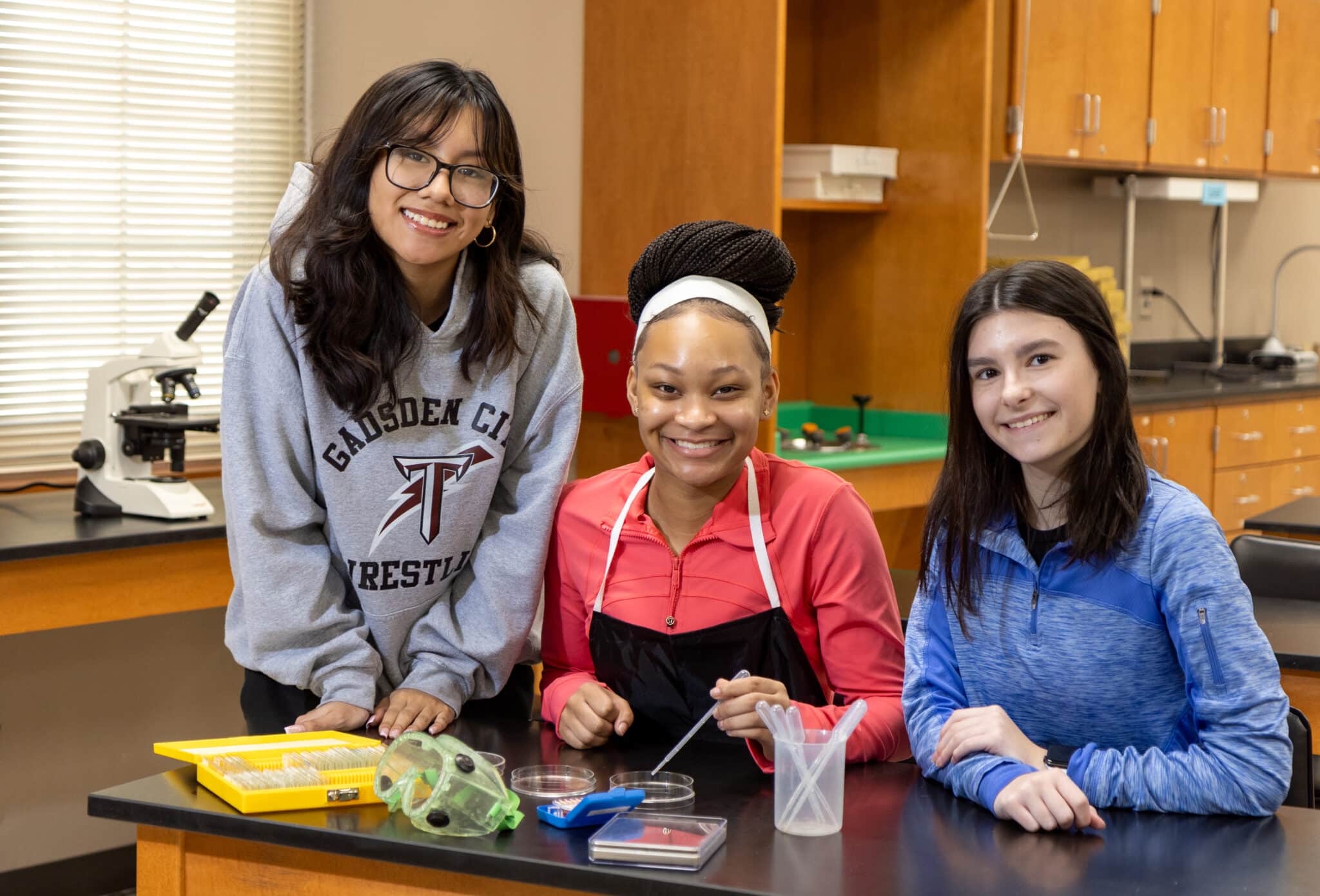
Modern parents now reject the constraints of memorization-heavy instruction. Instead, they demand environments where children grow into confident thinkers who can analyze and create. Titan School addresses this demand by structuring its curriculum around real-world problems and strategic discussions. Consequently, students experience a learning flow that feels purposeful rather than mechanical.
Technological Calibration as a Strategic Tool
Integrating technology into the classroom is no longer optional; it is a fundamental requirement for system efficiency. Titan School utilizes technology with deliberate intent, focusing on strategic research and collaboration. Furthermore, parents appreciate that digital tools are used to enhance human learning rather than overshadowing it. This balance ensures students master the tools of the future without losing the nuance of interpersonal logic.
Facilitators of Innovation: The New Teacher Role
In modern learning environments, the role of the educator has evolved from a lecturer to a structural facilitator. At Titan School, teachers move dynamically through the space, encouraging students to interrogate concepts deeply. This shift ensures that every child is seen as an individual unit of potential. By fostering conversations rather than delivering monologues, the school builds a foundation of intellectual confidence.

Adaptive Pacing and Family Integration
Standardized timelines often hinder individual progress. Therefore, Titan School allows students to progress based on mastery rather than a rigid calendar. This precision-based pacing respects the natural learning rhythm of each child. Additionally, the school maintains a transparent connection with families, focusing on cognitive growth metrics rather than just grades. This level of communication helps parents understand their child’s development with greater clarity.
The Final Assessment
Ultimately, parents choose Titan School because it functions as a bridge to the future. It provides the academic structure necessary for discipline while maintaining the flexibility required for innovation. By investing in modern learning environments, families are ensuring their children are prepared to lead in an unpredictable global landscape.