
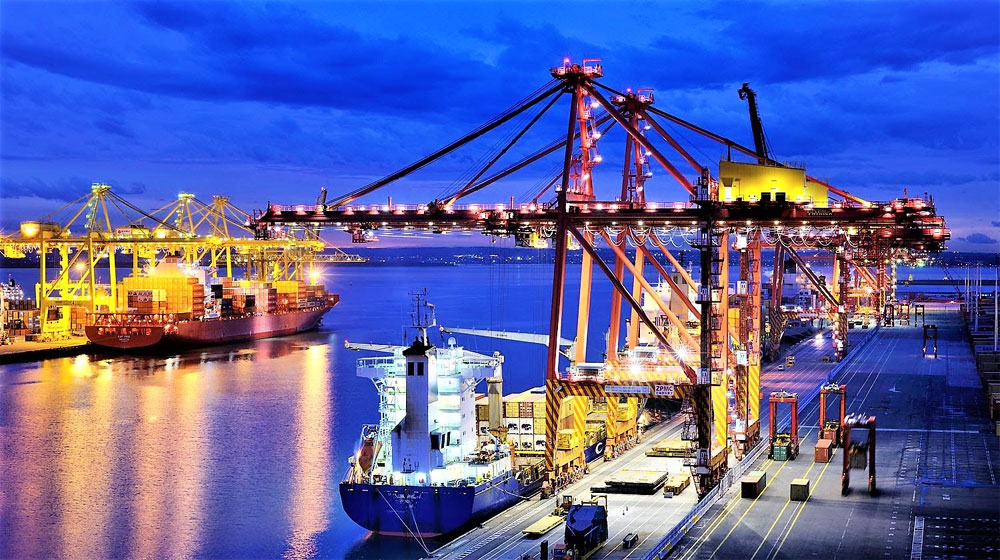
Strategic Maritime Policy Shift
The federal government recently calibrated a significant shift in maritime policy by implementing a comprehensive shipping tax relief measure within the Budget 2026-27. Specifically, the administration eliminated the 18 percent sales tax to drastically reduce logistics costs and catalyze national economic expansion. Federal Minister for Maritime Affairs, Muhammad Junaid Anwar Chaudhry, identified this structural adjustment as a vital response to long-standing industry demands. Consequently, the government expects this fiscal recalibration to improve the competitiveness of domestic maritime services and facilitate the expansion of local shipping operations.
The Translation: Cutting Through the Complexity
In technical terms, the removal of this 18 percent tax serves as a precision strike against supply chain friction. By removing this financial baseline, the government effectively lowers the overhead for every vessel entering or operating within Pakistani waters. This shipping tax relief simplifies the trade flow, ensuring that logistics companies can reinvest capital into infrastructure rather than tax compliance. Furthermore, the policy aligns Pakistan’s maritime costs with regional competitors, making our ports a more attractive destination for international trade vessels and strategic maritime partnerships.
The Socio-Economic Impact: Benefits Beyond the Port
How does this development affect the average Pakistani citizen? The impact is primarily structural and long-term:
- Reduced Consumer Costs: Lower transportation expenses for businesses often lead to stabilized prices for imported essential goods and raw materials.
- Employment Generation: Strategic growth in the “blue economy” creates high-skill technical roles in port operations and maritime engineering.
- SME Support: Small and medium-sized enterprises (SMEs) that rely on imported inventory will experience improved supply chain efficiency and lower operational barriers.
- Infrastructure Development: Increased private-sector participation likely leads to modernized port facilities and faster cargo processing times.
The Forward Path: A Momentum Shift
We categorize this policy update as a Momentum Shift for the Pakistani economy. Rather than a mere stabilization move, the total abolition of the sales tax signals a proactive intent to dominate regional logistics. By prioritizing system efficiency over short-term tax revenue, the government is building a foundation for sustainable maritime growth. Moving forward, the success of this initiative will depend on the speed of private-sector investment and the continued modernization of port infrastructure. This strategic baseline sets the stage for Pakistan to emerge as a critical maritime hub in South Asia.








