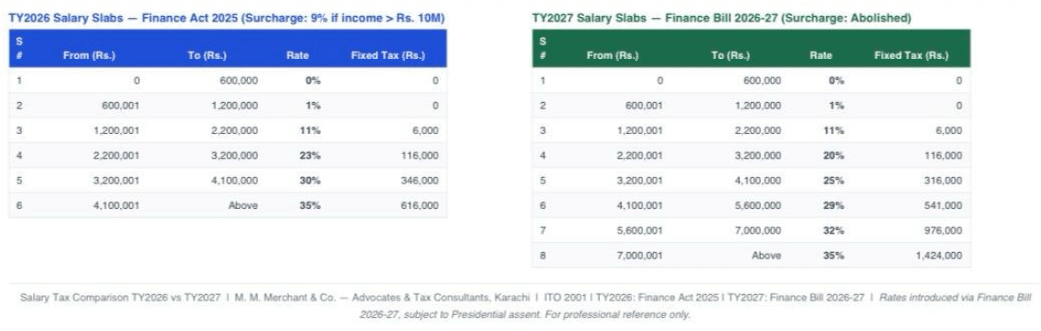
National economic vitality depends on the calibrated efficiency of its middle-class spending power. Former Federal Minister Gohar Ejaz recently advocated for a structural overhaul of the salaried class tax slabs for the Federal Budget 2026-27. His proposal aims to replace the current cumbersome system with a precise, three-tier framework. Consequently, this shift would prioritize disposable income for professionals, acting as a catalyst for broader domestic consumption and systemic growth.
The 5-10-20 Strategic Tax Framework
Gohar Ejaz proposed a simplified model designed to reduce the fiscal pressure on Pakistan’s workforce. The proposed structure utilizes three flat tiers to ensure clarity and equity across different income brackets. Specifically, the framework includes:
- 5 Percent Tax: For monthly incomes between Rs. 100,000 and Rs. 500,000.
- 10 Percent Tax: For monthly incomes between Rs. 500,000 and Rs. 1.5 million.
- 20 Percent Tax: For monthly incomes exceeding Rs. 1.5 million.
The Situation Room: The Translation
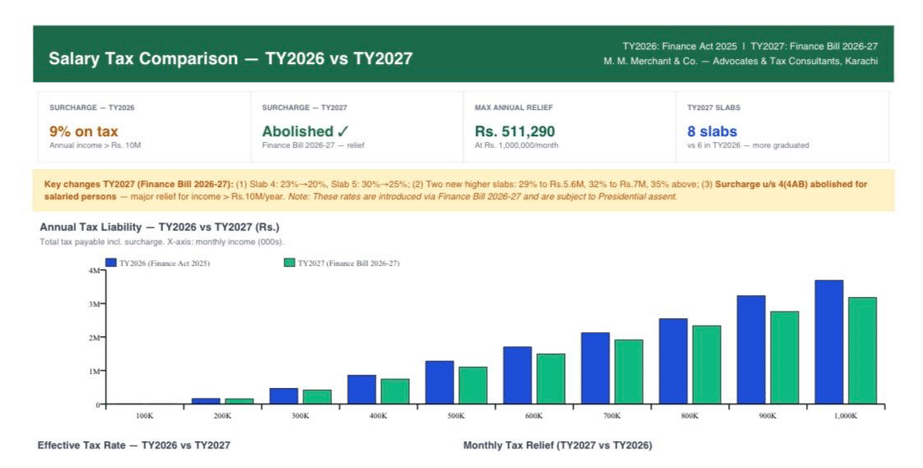
Current tax structures often utilize complex, multi-stage brackets that disproportionately impact the middle tier of earners. Ejaz’s proposal translates this complexity into “Next Gen” clarity by focusing on flat rates. Instead of incremental steps that penalize career growth, these salaried class tax slabs provide a predictable baseline. By simplifying the code, the government reduces administrative friction and increases tax compliance among the formal sector.
The Situation Room: Socio-Economic Impact
This policy change directly affects the daily life of the Pakistani professional. By lowering the tax baseline for those earning under Rs. 500,000, households gain immediate liquidity for education, healthcare, and utility costs. Furthermore, strengthening the middle class stimulates economic activity. When families have higher disposable income, they drive demand in the retail and service sectors. Ultimately, this generates higher indirect tax revenue for the state through increased consumption.
The Situation Room: The Forward Path
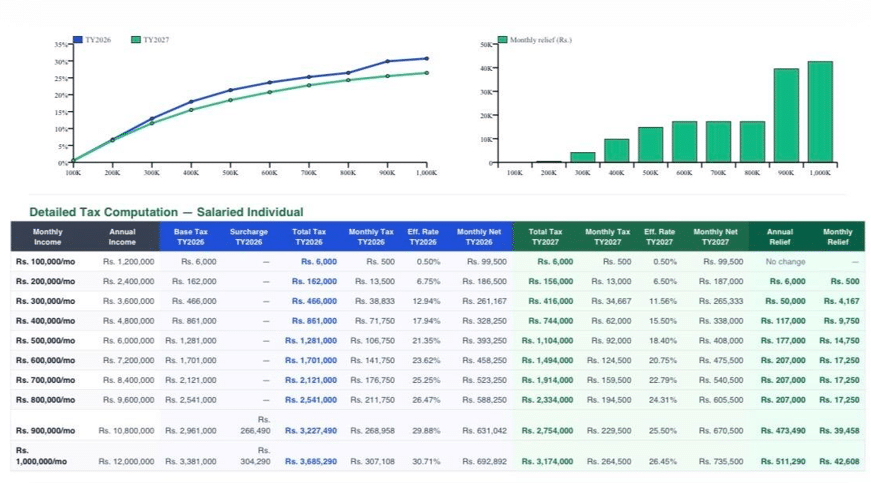
This development represents a Momentum Shift for Pakistan’s fiscal policy. Moving away from heavy direct taxation on the “backbone” of the economy—the salaried worker—signals a transition toward a consumption-led growth model. While the government has already proposed some reductions, the Ejaz framework offers a more aggressive calibration for middle-class empowerment. Adopting such precision in the 2026-27 budget could stabilize the domestic market and provide the structural support needed for long-term national advancement.