

Global energy markets are witnessing a structural recalibration as a potential US-Iran peace deal drives WTI crude prices down toward a $79 baseline. This diplomatic breakthrough, facilitated by Pakistan’s strategic mediation, signals a departure from years of geopolitical volatility in the Strait of Hormuz. Consequently, Brent crude fell below the $90 threshold, providing a much-needed cooling effect on international energy benchmarks.
How the US-Iran Peace Deal Stabilizes Energy Markets
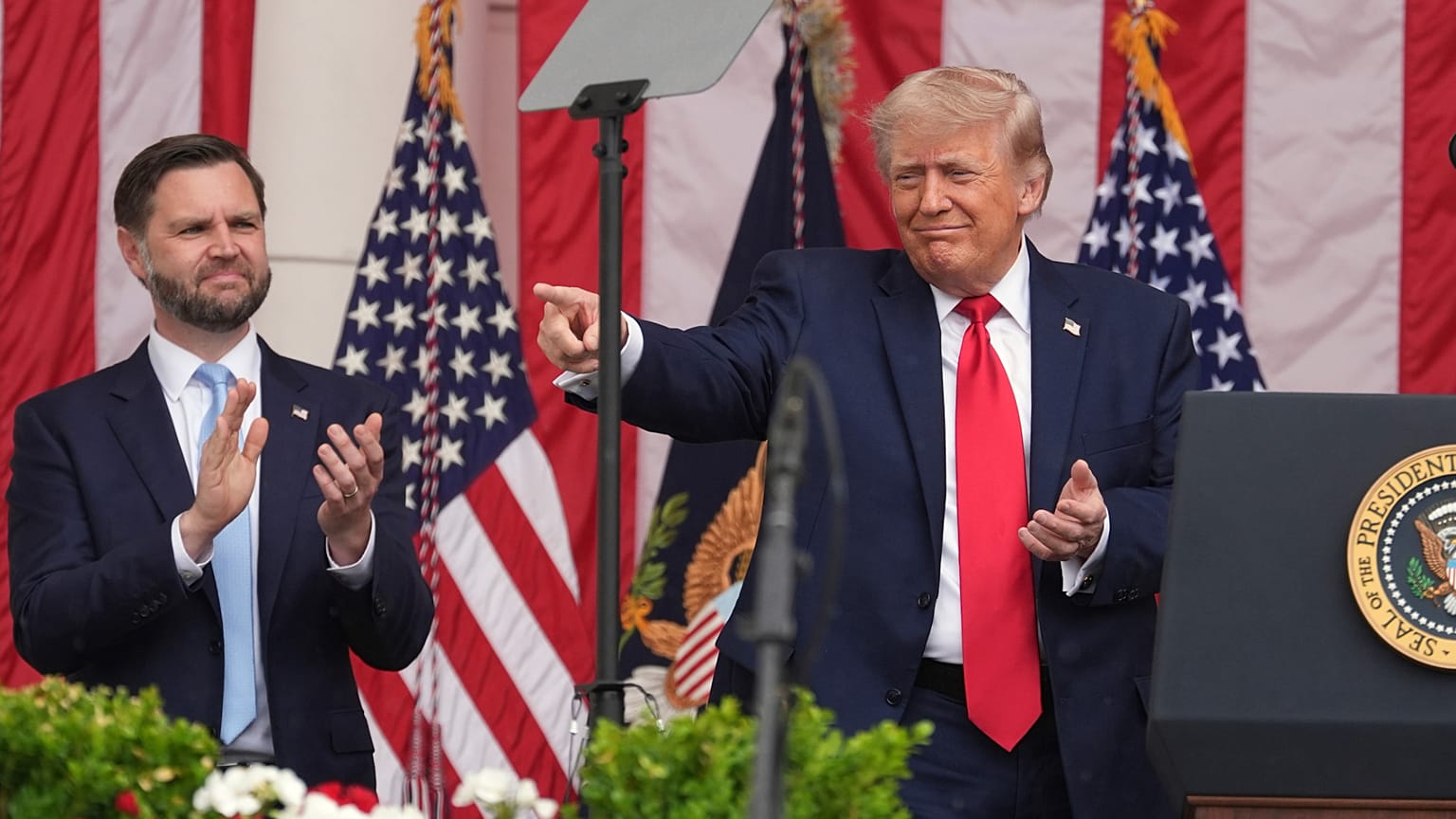
Investors reacted with precision to President Donald Trump’s announcement that a settlement with Iran is imminent. The cancellation of previous military strike plans served as a catalyst for this market correction. Furthermore, Pakistan’s Prime Minister Shehbaz Sharif confirmed that technical level talks will follow an imminent electronic signing ceremony. This alignment between major powers suggests a calibrated move toward regional stabilization and predictable supply chains.
While crude oil prices retracted sharply, fuel markets remain sensitive to any shifts in the Strait of Hormuz. Historically, this corridor facilitates a massive portion of global oil transit. Therefore, any permanent reduction in tensions acts as a structural safeguard against sudden price spikes. Currently, the industry observes a 4.2 percent annual inflation rate in the US, largely driven by previous energy costs, making this deal a vital economic relief valve.
The Translation: Geopolitical Precision
In technical terms, the “electronic signing” mentioned by the Prime Minister refers to a modernized diplomatic protocol that accelerates legal enforcement. The US-Iran peace deal effectively removes the “risk premium” that traders added to every barrel of oil due to the threat of war. By securing the Strait of Hormuz, the international community ensures a steady flow of crude, which reduces the cost of shipping and insurance globally.
The Socio-Economic Impact: Relief for the Pakistani Household
For the average Pakistani citizen, lower global crude prices are a necessary baseline for controlling domestic inflation. Energy costs dictate the price of transportation and food production. While local prices often lag behind international drops, this stabilization prevents further aggressive hikes in electricity and petrol. Consequently, professionals and students in urban centers like Karachi and Lahore may eventually see a reduction in the cost of living as logistics become more affordable.
The Forward Path: A Momentum Shift in Diplomacy
This development represents a significant Momentum Shift in regional progress. Pakistan’s role as a mediator highlights its growing capacity for high-stakes diplomatic engineering. While the energy market remains sensitive, the transition from military posturing to technical talks suggests a long-term commitment to system efficiency. If the technical talks next week succeed, we expect a sustained period of market predictability that benefits both developing and developed economies.








