
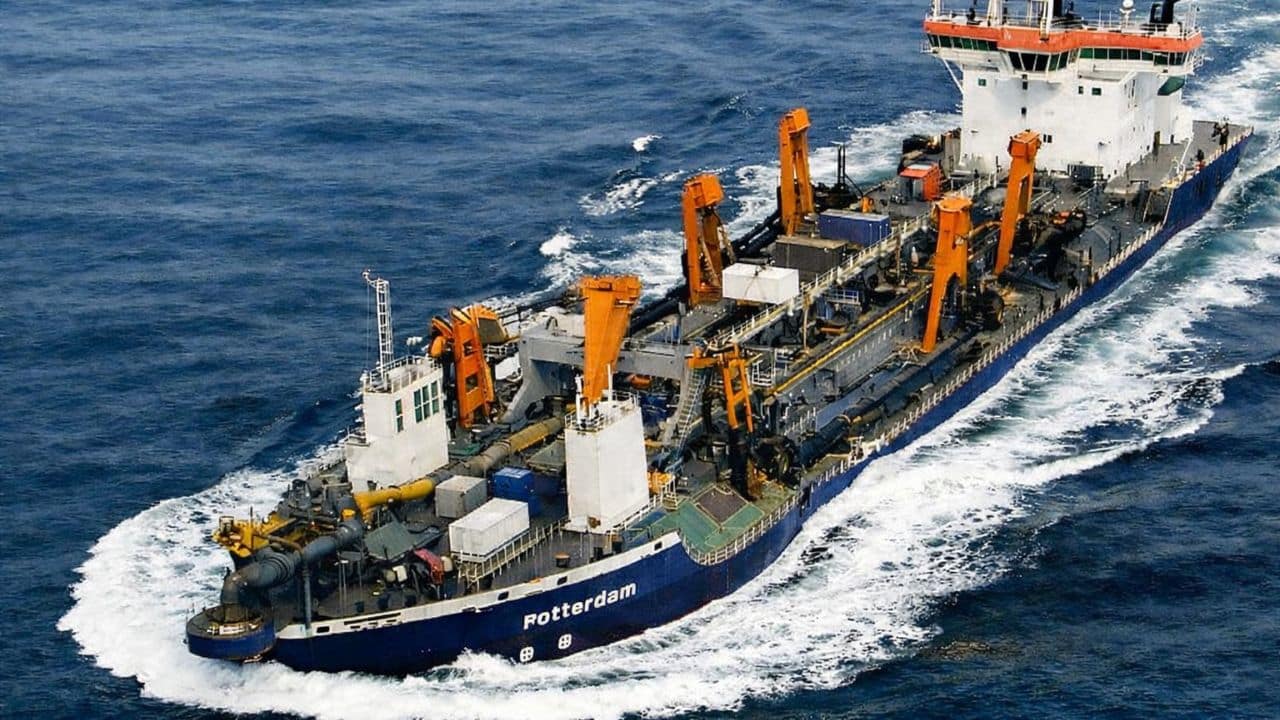
The structural recalibration of Pakistan’s maritime gateway is no longer a projection but a realized baseline. With the successful completion of Karachi Port dredging at the East Wharf, Karachi Gateway Terminal Limited (KGTL) has effectively unlocked a new tier of global trade competitiveness. This technical milestone ensures that Karachi Port can now accommodate significantly larger vessels, directly optimizing freight efficiency and stabilizing the national supply chain during a critical economic period.
A Calibrated Shift in Maritime Infrastructure
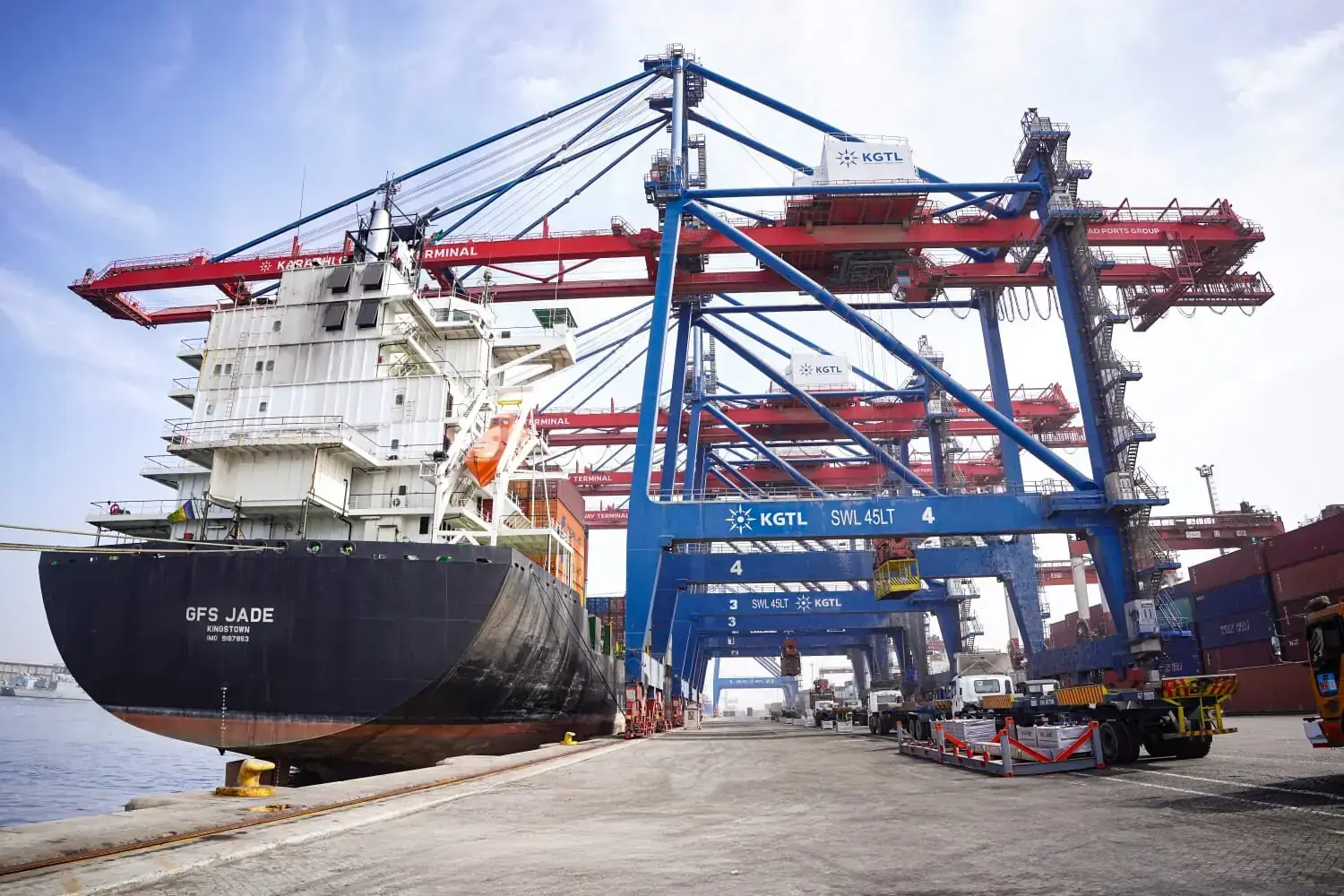
Precision engineering has redefined the operational parameters of the East Wharf. The dredging initiative achieved a navigational depth of minus 14 meters in the Upper and Lower Channels. Furthermore, berths 6 to 17 now boast a depth of 15.5 meters. Consequently, the terminal can host vessels up to 350 meters in length with a gross registered tonnage (GRT) of 100,000. This upgrade represents a strategic leap from previous limits of 305 meters and 13 meters draft.
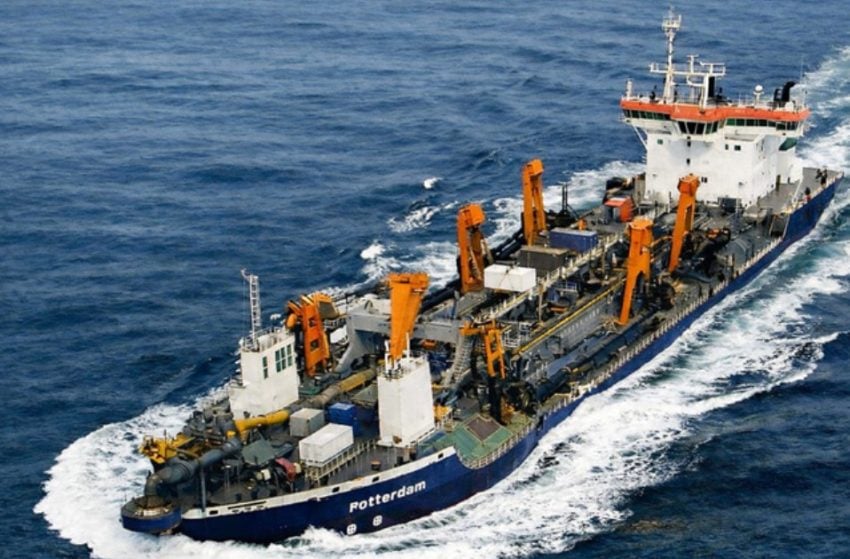
AD Ports Group, through its international arm Noatum Ports, spearheaded this development as part of a USD 200 million investment portfolio. By integrating international expertise with local facilitation, the project positions Karachi as a primary maritime hub in the region. These calibrated improvements allow shipping lines to plan with greater reliability, reducing the time vessels spend idling at sea.
The Translation: Decoding Maritime Expansion
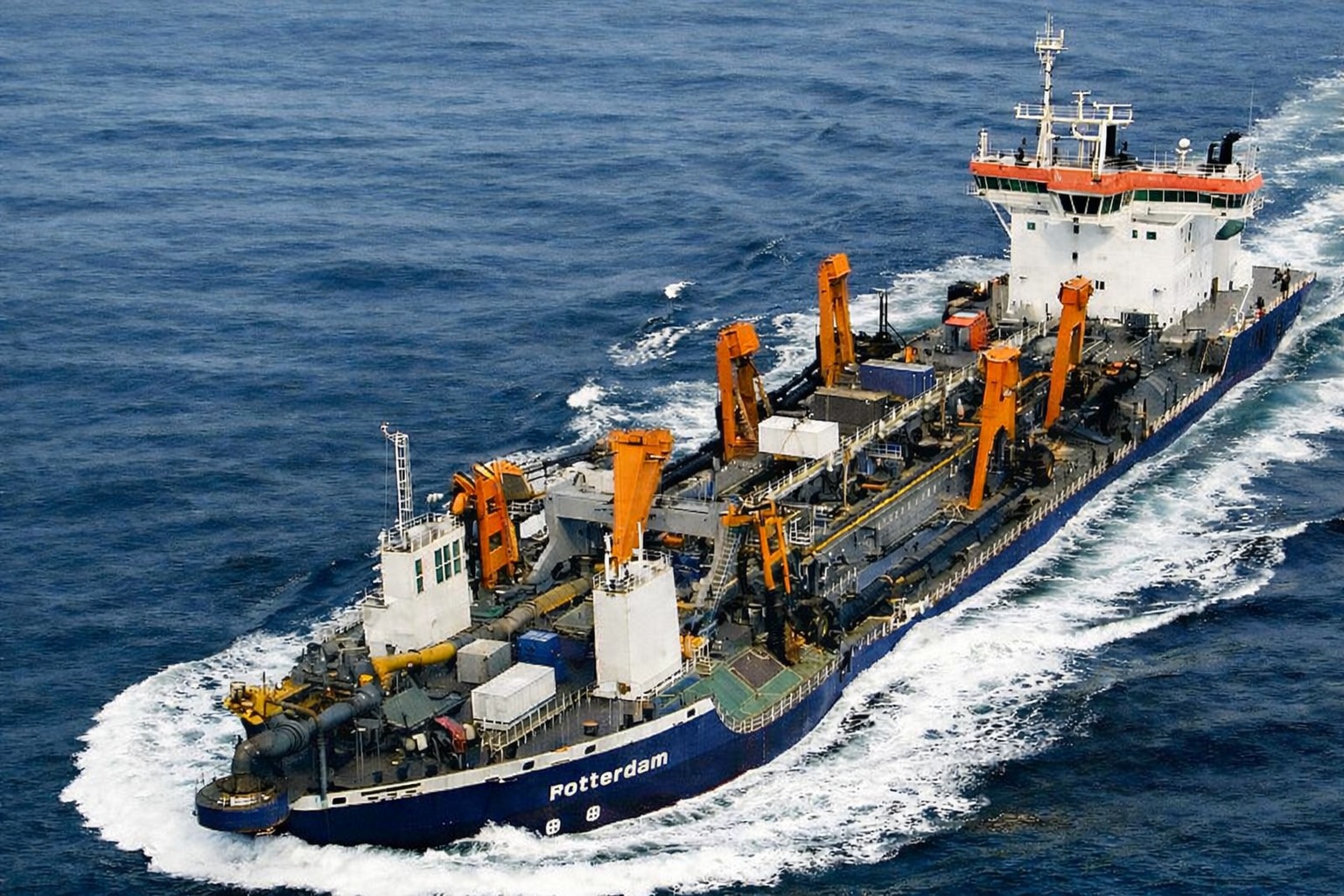
In technical terms, dredging is the removal of sediment from the bottom of water bodies. For KGTL, this process translates to “Draft Depth,” which determines how much weight a ship can carry without touching the seabed. By increasing this depth, Pakistan can now welcome “Post-Panamax” ships. Previously, these massive vessels had to bypass Karachi or offload cargo at intermediate ports. Now, direct calls from larger ships reduce “per-unit” transport costs, making every ton of imported raw material or exported textile more affordable.
Strategic Economic Benchmarks
- Capacity Surge: Container handling is projected to scale from 750,000 TEUs to 1 million TEUs per annum.
- Bulk Efficiency: The multipurpose terminal can now handle 120,000 metric ton vessels, doubling previous capacity.
- Forex Optimization: The increased efficiency is estimated to save approximately USD 130 million in foreign exchange reserves annually.
- Agri-Trade Synergy: New silos and clean storage infrastructure will bolster agricultural commodity movement.
Socio-Economic Impact: From Ports to Pantries
How does Karachi Port dredging affect the average Pakistani citizen? The impact is systemic. Lower freight costs reduce the landed cost of essential industrial inputs and commodities. For the urban professional, this means a more stable price floor for consumer goods. For rural farmers, the dedicated bulk export facilities ensure that agricultural products reach global markets faster and in better condition. Ultimately, improved port efficiency acts as a catalyst for job creation within the logistics and manufacturing sectors.
The Forward Path: Momentum Shift
This development represents a definitive Momentum Shift. It transitions Karachi Port from a reactive facility to a proactive regional leader. While many infrastructure projects offer marginal gains, the dredging at KGTL provides a structural upgrade that alters the fundamental economics of Pakistan’s trade. To maintain this trajectory, the state must continue to facilitate private-sector investments like those from AD Ports Group. This synergy between global capital and national strategic assets is the blueprint for future progress.








