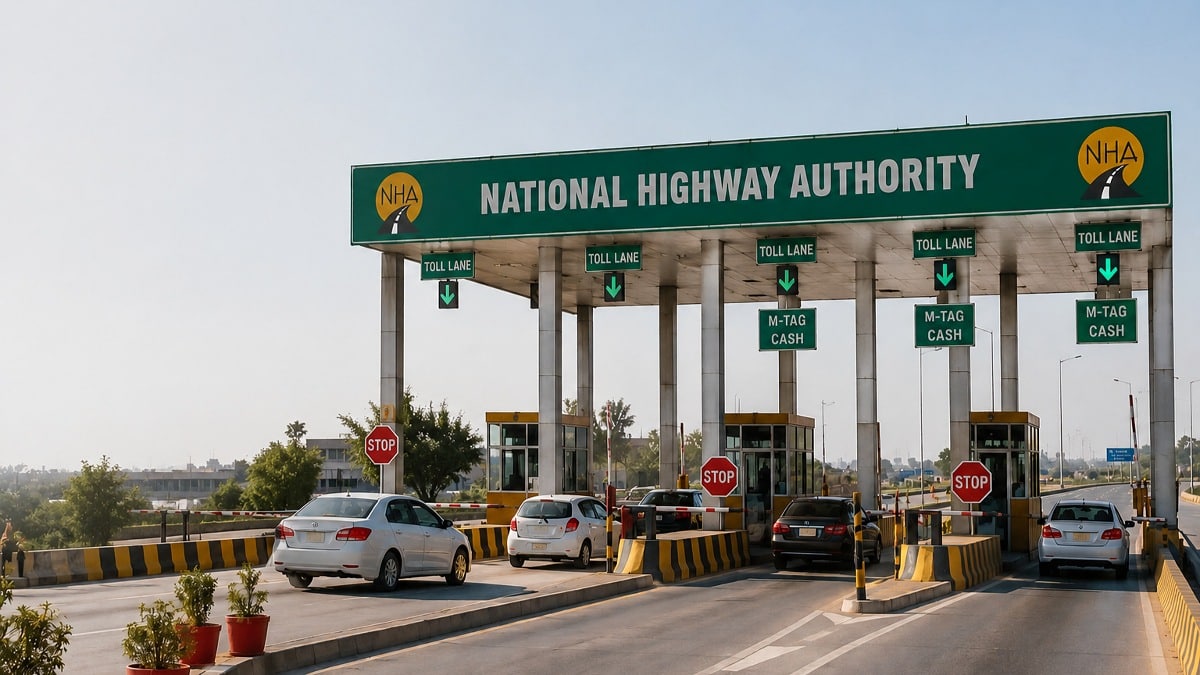
Pakistan is recalibrating its national infrastructure through the rapid implementation of cashless toll collection and Intelligent Transportation Systems (ITS). Federal Minister for Communications Abdul Aleem Khan recently directed authorities to accelerate this digital transition across major motorways and national highways. By integrating advanced communication networks and automated systems, the government aims to catalyze a structural shift in how citizens navigate the country’s primary transit corridors.
Implementing Cashless Toll Collection for Efficiency
The strategic directive specifically targets the M2 Motorway for immediate inclusion in the ITS framework. Authorities must now integrate high-resolution security cameras and communication hardware into a unified technological baseline. Consequently, this initiative will facilitate free-flow electronic tolling, which effectively eliminates traditional bottlenecks at manual booths. Furthermore, the electronic network will link directly with Safe City security systems to bolster law enforcement capabilities and crime prevention.
Minister Aleem Khan also emphasized the importance of uniform commuter facilities. He directed that Motorway Police personnel maintain a constant presence at all service areas. In addition, the deployment of Rescue 1122 staff, fire brigades, and fully equipped ambulances at service points will ensure a rapid response to emergencies along the national grid.
The Translation: Digitalizing the Commute
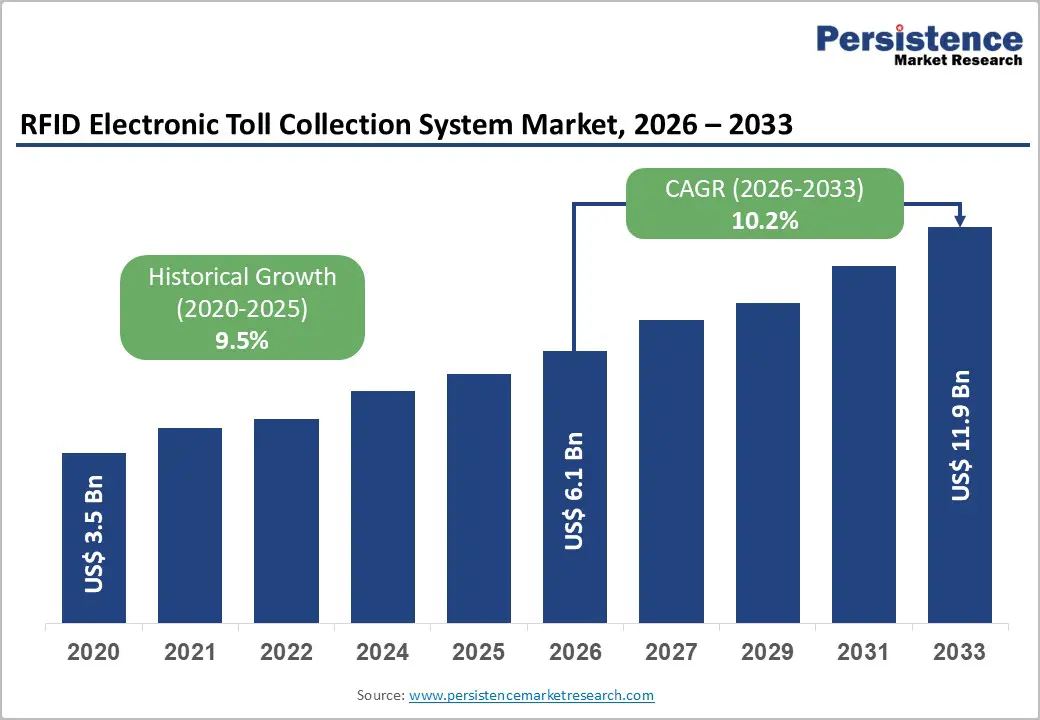
Intelligent Transportation Systems (ITS) represent a calibrated network of sensors and software designed to manage traffic in real-time. Instead of manual cash transactions, cashless toll collection utilizes RFID tags or license plate recognition for automatic billing. This “free-flow” approach allows vehicles to pass through checkpoints at highway speeds. Such a system significantly reduces fuel consumption and carbon emissions by preventing the start-stop cycle typical of manual plazas.

The Socio-Economic Impact
For the average Pakistani professional and student, this modernization translates to precision in travel planning and enhanced personal safety. Reduced congestion at toll plazas saves thousands of cumulative man-hours daily, which directly boosts national productivity. Additionally, the mandatory integration of emergency medical services at service areas provides a critical safety net for rural and urban commuters alike. These structural improvements lower the baseline cost of logistics, potentially stabilizing the prices of transported goods over time.
The Forward Path: An Expert Perspective
This development represents a definitive Momentum Shift for Pakistan’s infrastructure. Moving away from fragmented, cash-based operations toward a digital-first architecture is a necessary catalyst for systemic efficiency. While the execution phase requires rigorous oversight to ensure hardware reliability, the integration of law enforcement and emergency services into the digital transport grid sets a new standard for national advancement. This is a strategic leap toward a more disciplined and high-performance transportation economy.