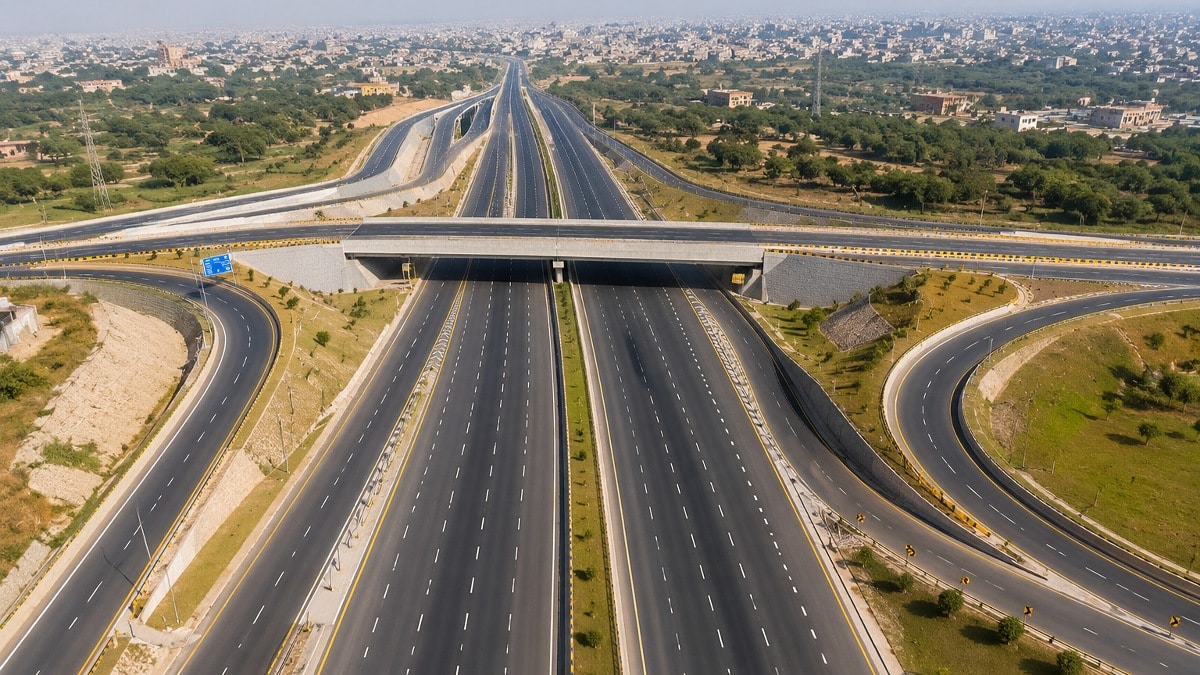
Authorities are currently recalibrating Ring Road safety protocols by enforcing a strict pedestrian-free zone across the high-speed corridor. This strategic initiative aims to eliminate unauthorized crossings that frequently lead to fatal high-velocity collisions. During the last 24 hours, the Ring Road Police executed a precision enforcement operation, resulting in eleven arrests and hundreds of administrative fines for structural safety violations.
Precision Enforcement and Statistical Baseline
The Ring Road Police Commandant, Safiullah Gondal, has confirmed a decisive shift toward zero-tolerance for traffic non-compliance. Consequently, the force registered multiple cases against individuals who bypassed designated pedestrian bridges. The current operational data reflects a significant push for road discipline:
- Custodial Actions: Seven individuals faced immediate arrest for dangerous road crossings, while four others remain in custody for further legal processing.
- Financial Penalties: Officials issued fines to 290 pedestrians for failing to utilize overhead bridges. Additionally, 13 motorcyclists received fines of Rs 5,000 each for systemic violations.
- Asset Impoundment: Police impounded a coaster and a car following high-risk one-way violations, registering formal cases against both drivers.

The Translation: Understanding the Logic
In technical terms, declaring a high-speed artery a “pedestrian-free zone” means the environment is optimized for vehicular momentum without the variable of human foot traffic. This calibration reduces the “unexpected obstacle” factor, which is the primary catalyst for multi-vehicle pileups. By centralizing pedestrian movement to bridges, the system ensures that foot traffic and heavy logistics never occupy the same physical plane.
Analyzing the Impact on Ring Road Safety Standards
The Socio-Economic Impact
For the average Pakistani citizen, these measures provide a dual layer of protection. Economically, reducing accidents preserves the “human capital” of our workforce and prevents the devastating financial burden of emergency medical care. Socially, the enforcement of bridge usage fosters a culture of civic discipline. This shift ensures that urban professionals and transit logistics can move at peak efficiency, directly benefiting the local supply chain and household stability.
The Forward Path: An Innovator’s Perspective
This development represents a Momentum Shift for Pakistan’s infrastructure management. Moving from reactive policing to a structural “free zone” model demonstrates an architectural understanding of safety. To sustain this progress, authorities must now integrate automated thermal sensors and AI-driven monitoring to ensure that Ring Road safety remains an immutable baseline for our national transit network.