
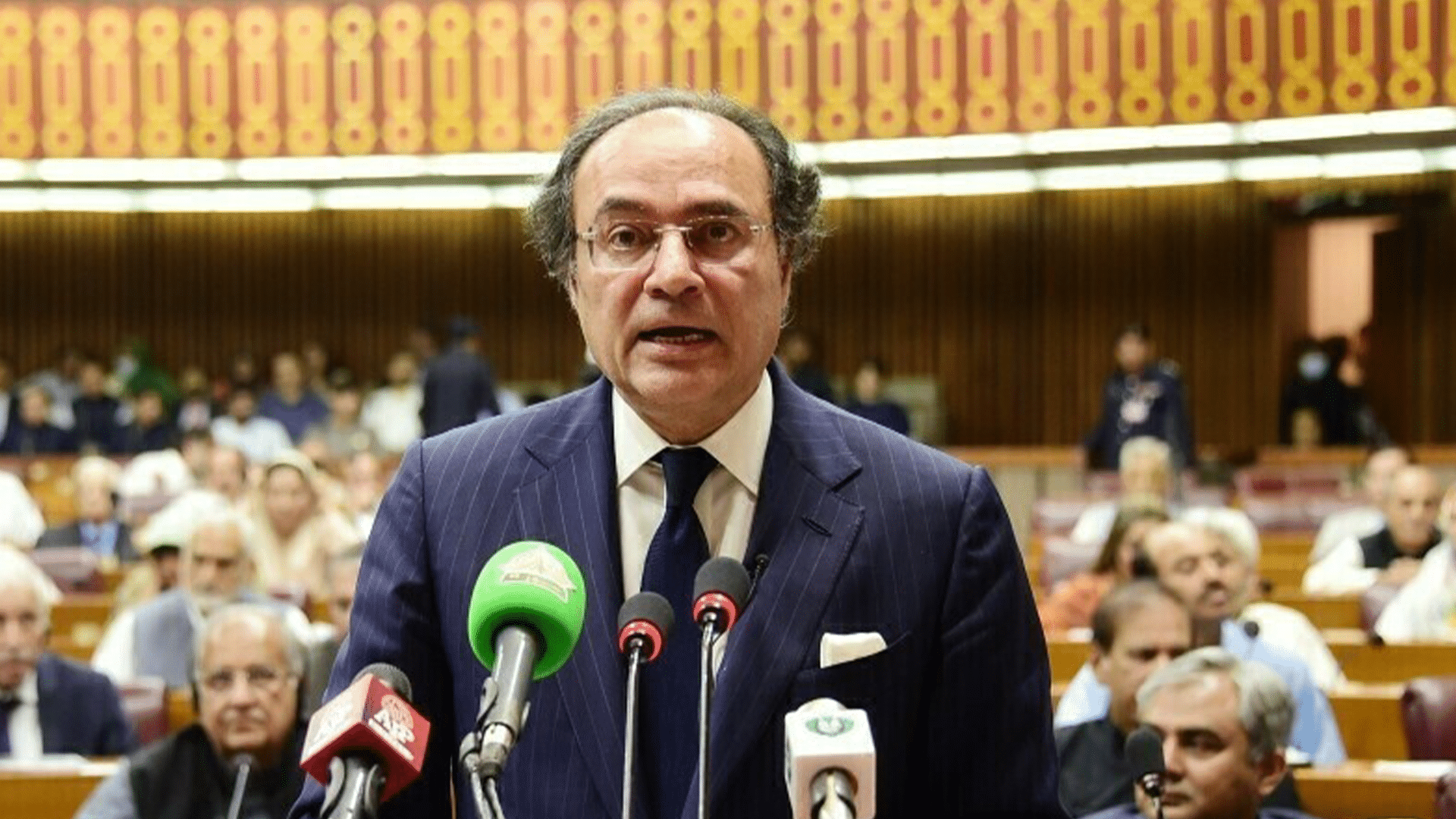
The Federal Government has calibrated the Pakistan Budget 2026-27 to catalyze a sustainable economic recovery and foster export-led growth. Finance Minister Muhammad Aurangzeb recently defended this structural blueprint, emphasizing its role in supporting investment and strengthening the formal sector. By utilizing existing fiscal space, the administration seeks to move beyond stabilization toward a high-performance economic baseline.
Strategic Calibrations in Pakistan Budget 2026-27
During a post-budget press conference, Minister Aurangzeb highlighted measures designed to boost national competitiveness. A primary catalyst for this shift is the proposed abolition of advance tax for exporters. Consequently, the government aims to reduce the trade deficit by empowering the industrial sector to compete more effectively on the global stage.
Furthermore, the budget introduces a phased reduction of the super tax. Specifically, for companies earning over Rs500 million, the rate will drop from 10 percent to 8 percent. This strategic adjustment intends to accelerate corporate expansion and incentivize formal documentation within the economy.

Digital Frontier: AI and Tax Modernization
The Ministry of Finance is transitioning toward an automated fiscal framework. Aurangzeb revealed that a new tax model will rely heavily on artificial intelligence and automation. This shift aims to reduce human intervention, thereby enhancing transparency and improving overall tax compliance across the country.
- Implementation of digital monitoring to generate additional revenue.
- Introduction of a retailers’ scheme to broaden the tax net.
- Removal of customs duties on imported agricultural machinery.

The Translation: Deconstructing the Fiscal Blueprint
In “Next Gen” terms, the government is moving away from “bandage solutions” toward structural precision. By reducing taxes on high-earning corporations and exporters, the state is betting on a “trickle-down” stability where increased business liquidity leads to job creation. The move to AI-driven taxation is a critical pivot; it signifies a transition from manual, often corruptible processes to a data-driven system where efficiency is the baseline.
Socio-Economic Impact: Precision Relief for Citizens
How does this affect the daily life of a Pakistani citizen? For the salaried class, the Pakistan Budget 2026-27 offers tangible relief through recalibrated income tax brackets. Those earning between Rs2.2 million and Rs3.2 million will see their tax rate drop from 23% to 20%. Similarly, professional groups in higher brackets will benefit from reductions of up to 5%, increasing household disposable income.
In rural sectors, the impact is even more profound. With agricultural financing surpassing Rs 2 trillion, small farmers gain unprecedented access to capital. The elimination of duties on essential machinery like combined harvesters will likely improve farm output and lower food production costs for urban consumers.

The Forward Path: Momentum or Stabilization?
This development represents a Momentum Shift. While previous budgets focused purely on survival and IMF stabilization, the Pakistan Budget 2026-27 introduces aggressive incentives for growth. The focus on the IT sector and housing projects suggests a forward-thinking approach to urban development. However, the government must remain vigilant regarding regional energy infrastructure, as any disruption could recalibrate these optimistic projections.








