
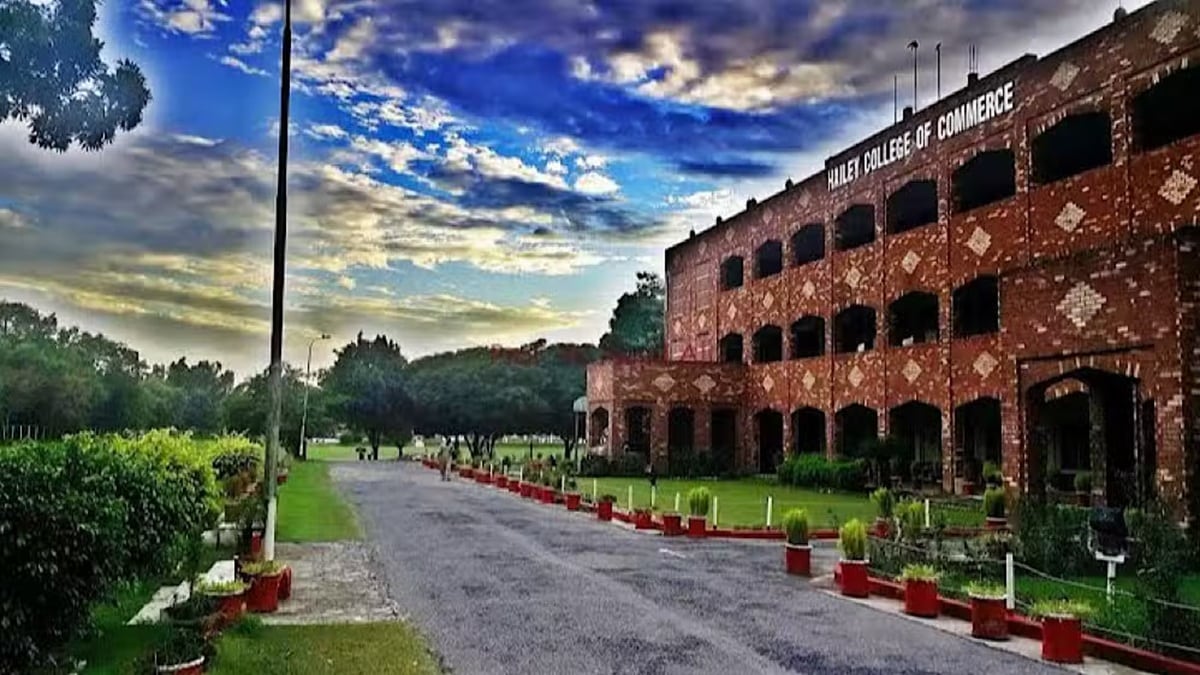
The Punjab government recently initiated a calibrated transition toward Punjab college privatization for 150 public institutions. This strategic shift signals a move toward a public-private partnership (PPP) model designed to optimize academic output. Consequently, the Higher Education Department (HED) aims to synchronize local educational standards with the demands of the global precision economy. By integrating private sector efficiency, the state intends to catalyze a structural upgrade of the province’s academic infrastructure.
The Punjab College Privatization Framework
During the upcoming summer vacations, the government will execute the first phase of this transition. This phase involves handing over 150 public colleges to private management under a strictly monitored PPP framework. Simultaneously, the HED has decided to phase out traditional commerce colleges across the province. This decision reflects a strategic pivot toward more versatile and multi-disciplinary academic models that better serve the modern job market.

Strategic Benchmarks for Colleges of Eminence
To ensure high-quality outcomes, the HED approved the establishment of “Colleges of Eminence” in every tehsil. Under this initiative, authorities will select and upgrade one model college per tehsil to meet international standards. Furthermore, the department developed ten mandatory benchmarks to maintain rigorous quality control. These metrics include faculty qualifications, research innovation, modern laboratory infrastructure, and robust industry linkages to facilitate internship opportunities for students.

The Translation: A New Educational Logic
The Punjab college privatization strategy converts the state’s role from a sole service provider to a high-level regulator and partner. Instead of managing day-to-day administrative hurdles, the government can focus on setting standards and auditing performance. This model utilizes private sector agility to bypass the bureaucratic inertia that often hinders public sector growth. It treats education as a precision-calibrated engine for national development rather than a static administrative burden.
Socio-Economic Impact: Empowering Local Students
This reform will significantly alter the daily lives of students in both urban and rural Pakistan. By establishing a “College of Eminence” in every tehsil, the government brings elite-level educational facilities to the doorstep of the middle class. Students will gain access to improved libraries and industry-connected internships that were previously exclusive to high-fee private institutions. This initiative effectively levels the playing field for aspiring professionals across Punjab.

The Forward Path: A Momentum Shift
This development represents a definitive Momentum Shift for the province. While the concept of privatization often sparks debate, the inclusion of strict performance-based benchmarks ensures a baseline of excellence. If implemented with precision, this catalyst will modernize Punjab’s human capital and provide a structural foundation for future innovation. The success of this model will likely dictate the future trajectory of higher education across all of Pakistan.








