
Modernizing Urban Mobility for Ride-Hailing Safety
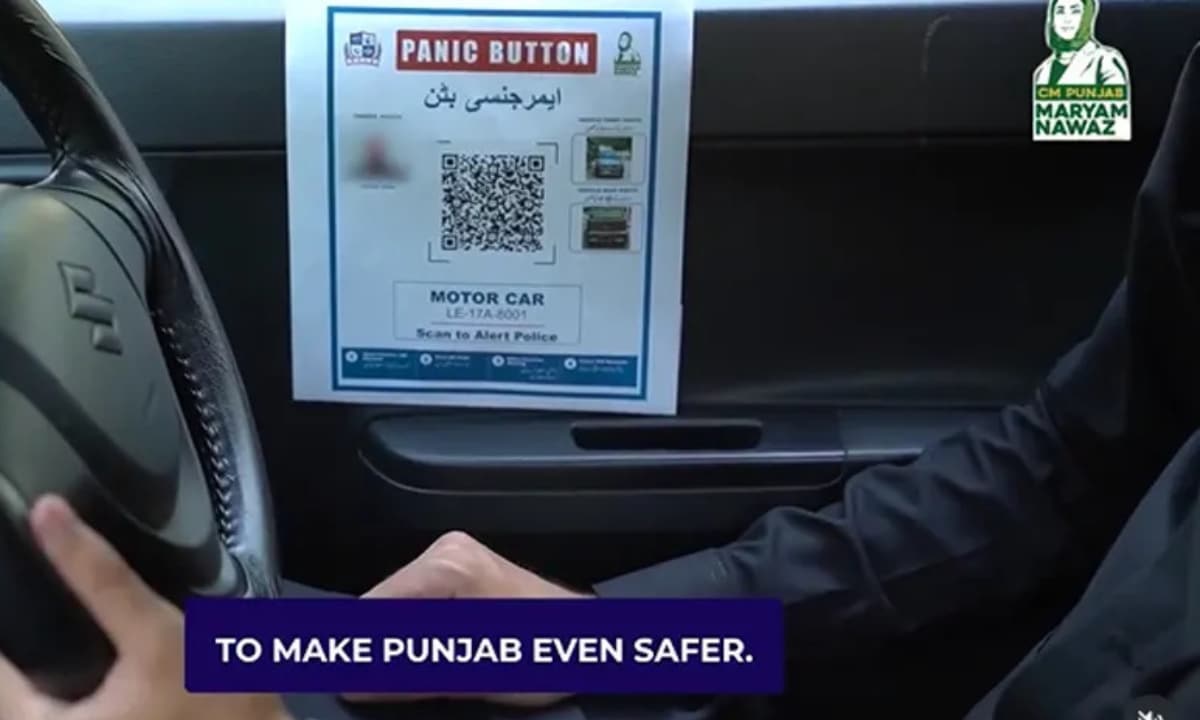
Integrating advanced digital surveillance into urban mobility serves as a vital catalyst for structural security. Lahore Traffic Police recently calibrated a new protocol to enhance ride-hailing safety by mandating QR panic buttons, dashboard cameras, and GPS tracking systems across all online taxi services. Chief Traffic Officer (CTO) Syed Abdul Rahim Shirazi confirmed this strategic shift during a high-level meeting with industry stakeholders, ensuring a phased deployment across the provincial capital.
The new regulations require ride-hailing companies to install precision hardware within a specified timeframe. Consequently, vehicles failing to comply with these safety standards will face strict regulatory action. Furthermore, CTO Shirazi emphasized that advanced tracking systems will strengthen driver accountability and help authorities investigate accidents with greater forensic accuracy.
The Translation: Converting Tech into Security
The core logic behind this initiative involves digitizing the passenger’s safety net. By installing QR panic buttons and dashcams, authorities effectively convert a private vehicle into a monitored, transparent public service space. Specifically, these tools create a real-time link between the commuter and the Punjab Safe Cities Authority. This infrastructure ensures that help is only a scan away, transforming technical hardware into a reliable lifeline for every citizen.
The Socio-Economic Impact: Empowering the Commuter
This development directly addresses the security concerns of thousands of female students and professionals who rely on digital transport daily. By establishing a higher baseline for ride-hailing safety, the government is effectively reducing the “security tax”—the mental and financial burden of personal safety. Increased public confidence in these services will likely stimulate urban mobility, allowing more individuals to participate in the workforce without fear. Ultimately, safer transport leads to a more vibrant and inclusive economy for all Pakistanis.
The Forward Path: An Expert Opinion
This initiative represents a significant Momentum Shift for Pakistan’s transport sector. It signals a move away from reactive policing toward a proactive, data-driven framework. While the initial implementation may face logistical hurdles, the transition is necessary for system efficiency. For this project to reach its full potential, the government must ensure the absolute precision of GPS data and the seamless integration of panic button signals with emergency response units.
- Mandatory Hardware: QR Panic Buttons and Dashcams.
- Monitoring: 24/7 GPS Tracking for all active ride-hailing units.
- Enforcement: Strict penalties for non-compliant service providers.
- Primary Focus: Enhancing the security of women and vulnerable commuters.








