
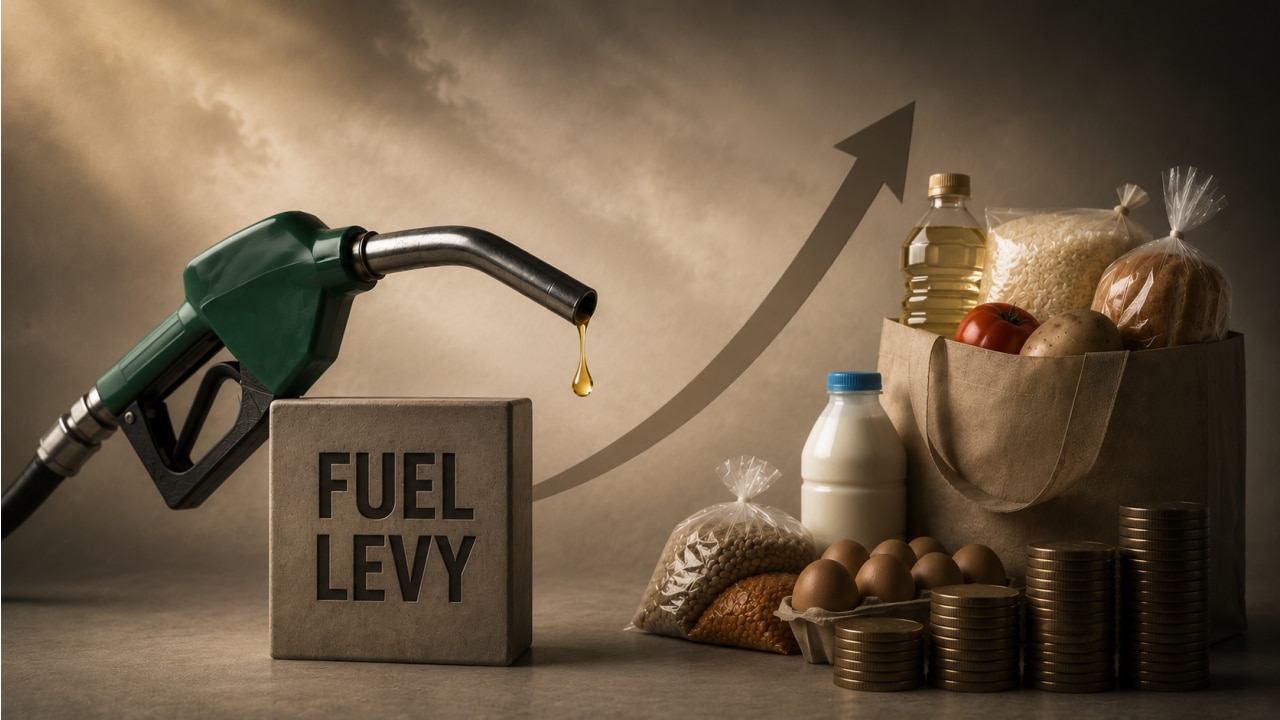
The federal government has unveiled a calibrated roadmap for Pakistan Non-Tax Revenue, targeting a massive Rs. 53.35 trillion for the fiscal year 2026–27. This strategic projection represents a significant escalation from the current fiscal year’s expectation of Rs. 50.93 trillion. Consequently, the state intends to leverage petroleum levies and central bank profit transfers as primary catalysts for this fiscal expansion.
Architectural Breakdown: The Pakistan Non-Tax Revenue Blueprint
The Ministry of Finance has structured this revenue stream around several high-precision targets. Specifically, the government set a record petroleum levy collection target of Rs. 1,676 billion. Furthermore, additional levies on climate support and captive power plants will provide a combined injection of approximately Rs. 65.73 billion into the national exchequer. While these targets are ambitious, they reflect a structural shift toward diversified income sources.
Key Revenue Vectors for FY 2026-27
- Petroleum Levy (Record Target): Rs. 1,676 billion
- State Bank of Pakistan Profits: Rs. 1,435.75 billion
- Civil Administration Receipts: Rs. 1,480 billion
- Natural Gas Royalty: Rs. 95 billion
- Passport and Citizenship Fees: Rs. 73.06 billion
Strategic dividends to the federal government are projected at Rs. 130.38 billion. Meanwhile, the energy sector remains a precision-focused area, with crude oil royalties and gas development surcharges expected to contribute over Rs. 116 billion collectively. These figures illustrate a rigorous effort to stabilize the national balance sheet through non-tax mechanisms.
The Situation Room Analysis
The Translation (Clear Context)
In “Next Gen” terms, non-tax revenue represents the income the government generates from its own assets, services, and regulatory penalties rather than direct taxation on citizen income. By focusing on the Pakistan Non-Tax Revenue targets, the government is attempting to reduce the fiscal deficit without immediately increasing the direct income tax burden. This approach utilizes the State Bank’s surplus and global grants as a buffer for the national economy.
The Socio-Economic Impact
This fiscal strategy directly affects the daily life of every Pakistani citizen, particularly through the energy sector. The record petroleum levy may lead to sustained pressure on transport costs and commodity prices for urban households. Conversely, the Climate Support Levy signals a strategic move toward environmental resilience, which could fund long-term sustainability projects benefiting both rural farmers and city dwellers by mitigating climate risks.
The Forward Path (Opinion)
This development represents a Stabilization Move rather than a full-scale momentum shift. While the scale of the Rs. 53 trillion target is impressive, the heavy reliance on petroleum levies and central bank profits suggests the government is prioritizing immediate fiscal liquidity over structural reform. To achieve a true momentum shift, Pakistan must transition from “levy-driven” revenue to high-value industrial and digital exports.








