

The Islamabad district administration has calibrated a rigorous enforcement framework targeting dengue larvae breeding to safeguard public health. Consequently, authorities will now register a First Information Report (FIR) against individuals who neglect stagnant water on their premises. This systemic shift represents a zero-tolerance baseline for municipal negligence in the federal capital.
Structural Enforcement for Dengue Larvae Breeding
Assistant commissioners have received direct orders to execute these precision measures without discrimination. Therefore, whether in residential homes, corporate offices, or commercial shops, the discovery of larvae will trigger immediate legal repercussions. Furthermore, the administration noted that immediate arrests remain a viable catalyst for ensuring compliance across all sectors.
The Translation (Clear Context)
In simple terms, the administration is moving from awareness campaigns to mandatory legal accountability. “Zero-tolerance” means that the presence of dengue larvae breeding is no longer treated as a suggestion for cleaning, but as a criminal oversight. By utilizing FIRs, the government is treating public health hazards with the same severity as physical safety violations.
Calibrating Public Health Safety
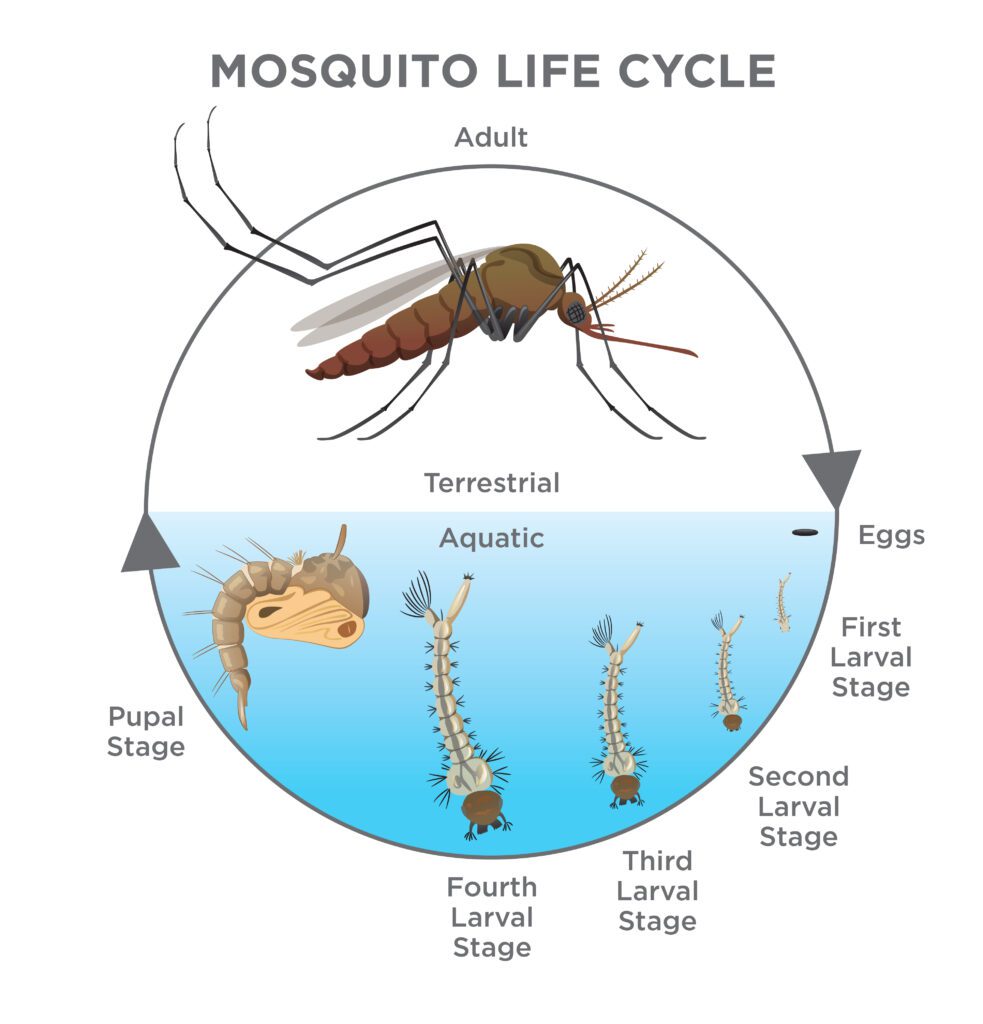
Officials reiterated that citizens must eliminate stagnant water and cover storage containers to break the mosquito life cycle. Properly disposing of waste and maintaining strategic cleanliness in surroundings are now essential legal requirements. Consequently, the district administration advises all residents to follow these dengue larvae breeding prevention measures to curb the disease’s transmission.
The Socio-Economic Impact
For the average Pakistani citizen, this policy increases the immediate responsibility for household maintenance. However, the long-term benefit is a reduction in the economic burden of mosquito-borne diseases. By enforcing precision cleanliness, we reduce the strain on the national healthcare system and minimize work-hours lost to illness in urban centers.
The Forward Path (Opinion)
This development represents a Momentum Shift for Pakistan’s urban management. Transitioning toward legal accountability for sanitation reflects a more disciplined, STEM-driven approach to public health. While the move is aggressive, it is a necessary structural upgrade to prevent seasonal outbreaks from paralyzing our system efficiency.
- Immediate Accountability: FIRs serve as a deterrent for negligence.
- Systemic Protection: Arrests and legal action ensure high-stakes compliance.
- Resource Efficiency: Prevention is more cost-effective than large-scale medical intervention.








