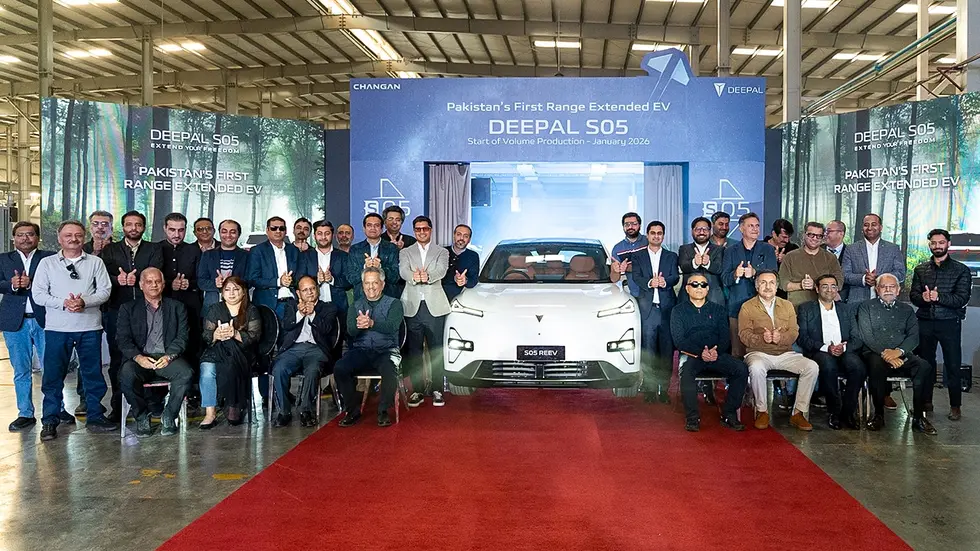
The government of Pakistan is calibrating its national energy infrastructure by introducing rigorous EV battery standards and a precision-driven verification mechanism. Consequently, this initiative aims to eliminate the infiltration of substandard components that currently threaten the structural integrity of the domestic electric vehicle (EV) market. As global oil prices fluctuate due to geopolitical instability, this strategic shift ensures that Pakistan’s transition to clean mobility remains both safe and economically viable.
Standardizing Pakistan’s Electric Mobility Frontier
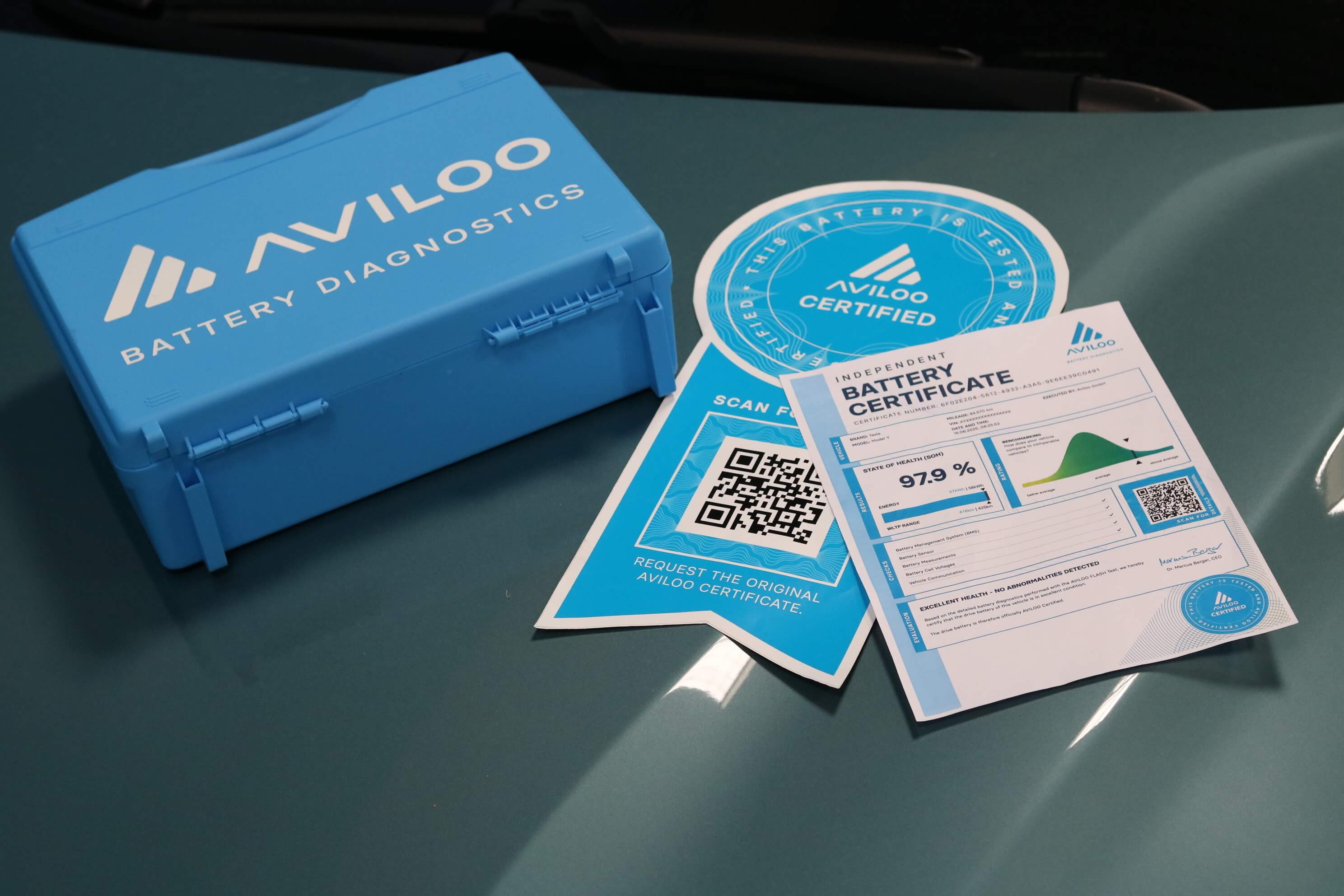
The Engineering Development Board (EDB) and the National Energy Efficiency and Conservation Authority (NEECA) are now spearheading a robust inspection framework. This development follows a critical assessment by the National Coordination and Management Council regarding consumer safety risks. Furthermore, the new EV battery standards will include mandatory certification and periodic compliance monitoring for all manufacturers and importers. By aligning with international benchmarks, the state is actively fortifying the credibility of its emerging green ecosystem.
The Translation: Converting Jargon into Clarity
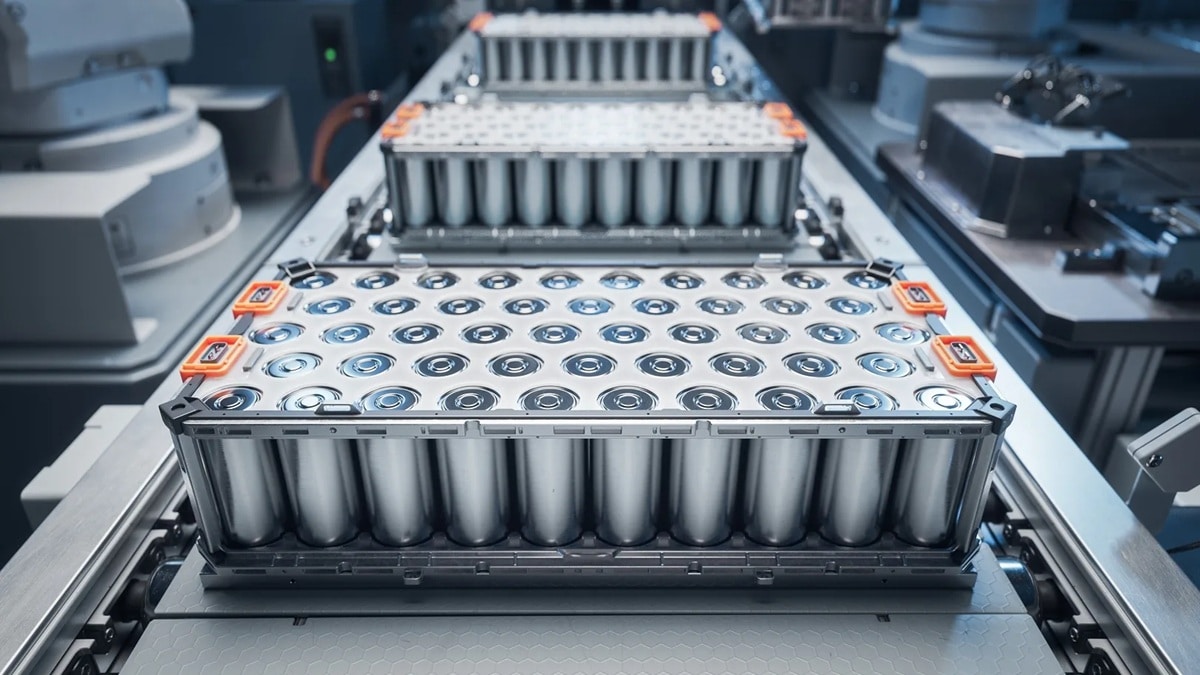
In technical terms, the government is moving from a “reactive” posture to a “preventative” baseline. Instead of merely responding to battery failures, the new mechanism mandates a pre-market validation phase. Specifically, this means every battery cell entering the country must pass thermal stability and energy density benchmarks. Consequently, the logic here is simple: technical precision in the laboratory prevents systemic failure on the road.
The Socio-Economic Impact: Precision for the Public
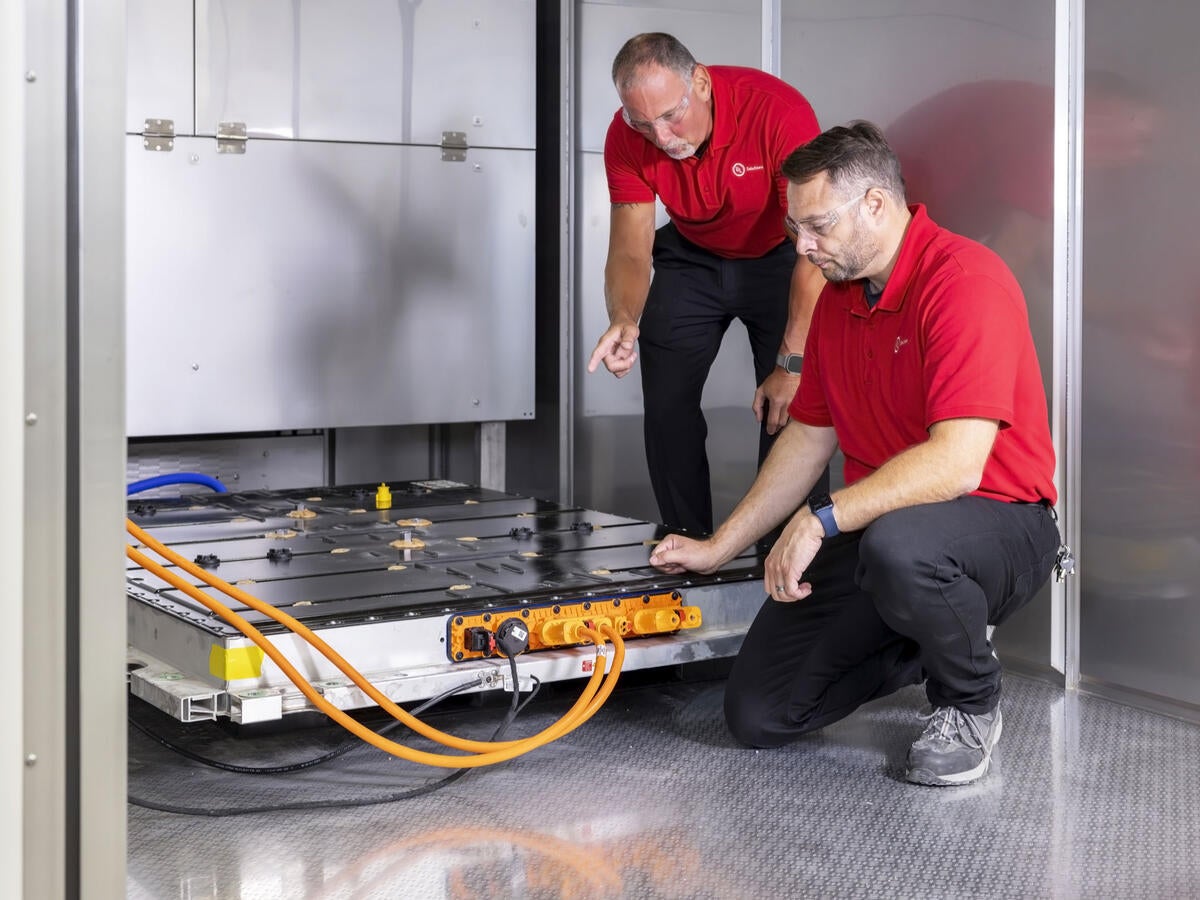
For the average Pakistani household, these EV battery standards represent a significant boost in long-term financial security. High-quality batteries reduce the frequency of expensive replacements and minimize the risk of hazardous fire incidents in urban centers. Additionally, for STEM students and professionals, this regulatory shift creates a specialized market for certification experts and safety engineers. Ultimately, a safer EV market accelerates the adoption of cheaper transport, directly lowering the monthly expenditure for the middle class.
The Forward Path: Architect’s Opinion
This development represents a definitive Momentum Shift for Pakistan. While previous years focused on the quantity of EVs, the current focus on quality indicates a maturing market. By implementing international-standard testing, Pakistan is not just buying technology; it is building a disciplined infrastructure. Consequently, this move acts as a catalyst for local manufacturing, as international players will now view the Pakistani market as a high-standard, low-risk environment for investment.