
Calibrating Urban Infrastructure for Heatwave Relief Measures
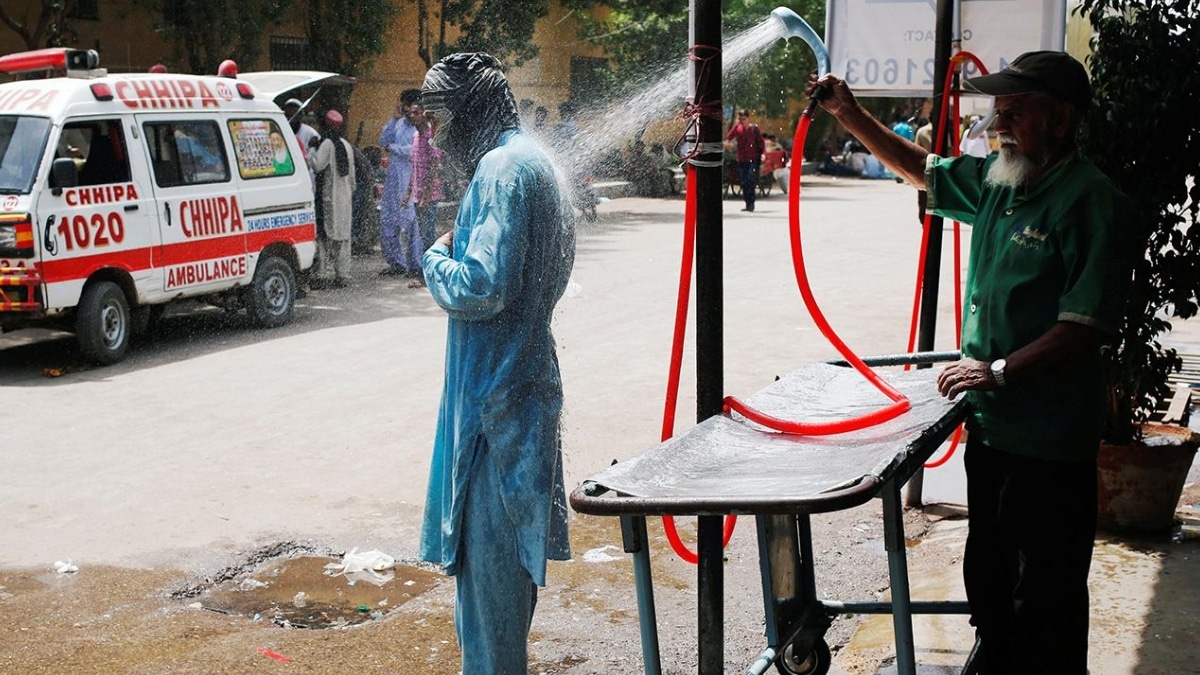
Climate volatility requires calibrated urban responses to ensure systemic resilience. Chief Minister Maryam Nawaz has ordered immediate heatwave relief measures across Punjab to mitigate the impact of rising temperatures on the province’s infrastructure and population. Consequently, district administrations must now deploy shade, cooling stations, and water access points at every major intersection and public hub.
- Installation of cold water dispensers and air coolers at bus terminals and railway stations.
- Provision of temporary shelters and shade at busy markets and intersections.
- Strategic cooling arrangements for students and teachers in educational summer camps.
Protecting Vulnerable Demographics and Commuters
Precision in enforcement is vital for public safety during extreme weather events. Therefore, traffic police must not stop motorcyclists unnecessarily in direct sunlight. Specifically, officials have been instructed to prioritize the movement of families and elderly citizens to reduce heat exposure. This directive ensures that the most vulnerable populations remain protected from the physiological stress of the ongoing heatwave.
The Translation
Beyond a simple administrative order, this initiative represents a structural shift toward “Active Climate Management.” Instead of passive warnings, the government is treating heat as a logistical challenge that requires physical cooling infrastructure. By mandating fans, water, and shade at transit hubs, the administration is creating a secondary safety net for citizens who cannot avoid outdoor movement during peak hours.
The Socio-Economic Impact
These heatwave relief measures directly safeguard the productivity of Punjab’s workforce. For the millions of daily-wage laborers, motorcycle commuters, and students, these cooling stations prevent medical emergencies and reduce heat-related absenteeism. Consequently, this stabilizes local economies and prevents the healthcare system from becoming overwhelmed by heatstroke cases during peak summer months.
The Forward Path
This development is a Momentum Shift. It transitions the provincial response from reactive advice to proactive urban intervention. However, for long-term efficiency, these temporary measures must evolve into permanent green architecture and shaded urban corridors. Integrating these climate-resilient protocols into the baseline of city planning will be the catalyst for a sustainable Punjab.








