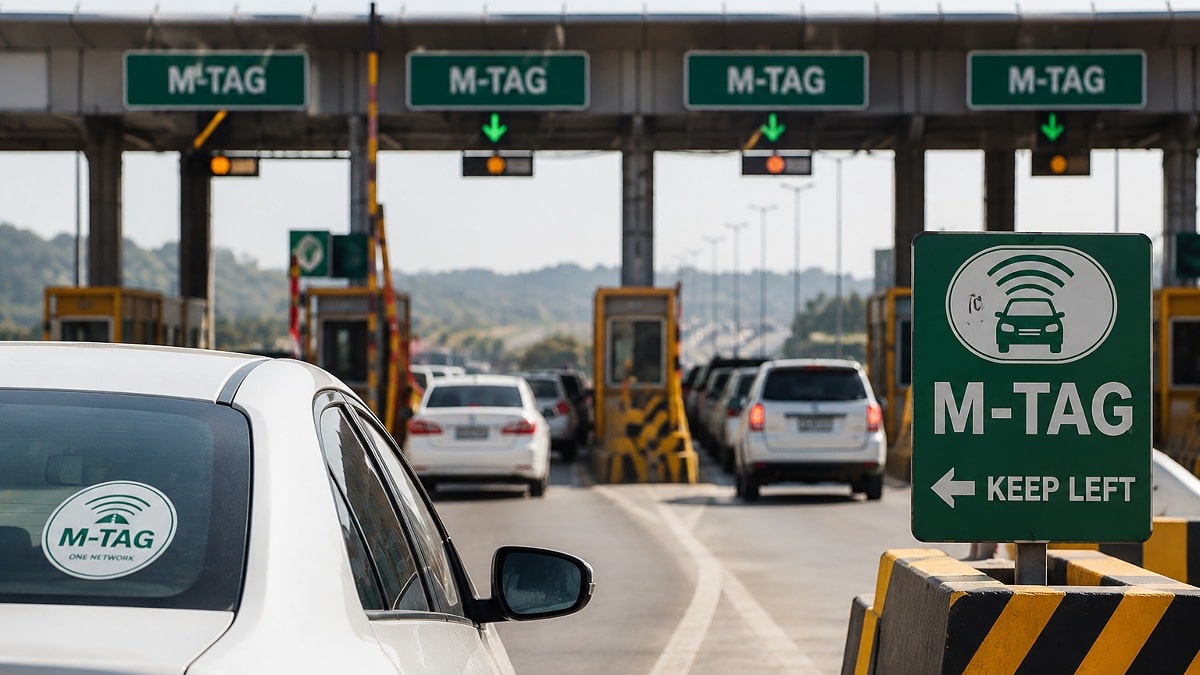
The calibration of Pakistan’s transport infrastructure is a critical baseline for national efficiency. One Network recently finalized the Mandatory M-Tag Registration deadline, requiring all motorists to equip their vehicles with active RFID technology by June 15, 2026. This structural update aims to eliminate manual bottlenecks and synchronize the national transport grid for peak operational velocity.
Strategic Deadlines for Mandatory M-Tag Registration
To facilitate a smooth transition, the authorities have calibrated a tiered compliance schedule. Motorists currently utilizing hardware older than five years were eligible for free replacements until May 31, 2026. However, the regulatory environment has shifted, and the following fee structures now apply:
- Current Replacement Cost: Rs. 150 (Effective from June 1, 2026).
- Final Enforcement Deadline: Mandatory use begins June 15, 2026.
- Post-Deadline Penalty: Replacement costs will escalate to Rs. 300 after July 1, 2026.

System Integrity and Hardware Blockage
Precision is vital for automated tolling success. Consequently, One Network warned that any RFID hardware exceeding a five-year lifecycle will face automatic blockage from July 1, 2026. Motorists must verify their device status immediately to prevent restricted access to the motorway network. Furthermore, proactive registration ensures that the system maintains high-speed throughput at all entry and exit points.
The Translation
While a “mandatory tag” may seem like a simple sticker, it represents a shift toward a “Single-Pane” logistics system. RFID tags utilize micro-antennas that degrade over time due to thermal exposure and wind friction. By mandating Mandatory M-Tag Registration and hardware updates every five years, the system ensures 99.9% read accuracy. This precision prevents the manual intervention delays that historically caused congestion at toll plazas.
The Socio-Economic Impact
For the average Pakistani professional and household, this transition converts directly into time-equity. A streamlined motorway reduces fuel consumption caused by idling and lowers the logistical overhead for essential goods. Consequently, urban and rural connectivity improves as the “time-cost” of travel decreases. For the digital-first generation, this is a catalyst for a more predictable and disciplined national mobility standard.
The Forward Path
This development represents a Momentum Shift. Moving away from manual tolling is not merely a convenience; it is a foundational requirement for future Smart City integrations. By establishing this technological baseline, Pakistan is positioning its transport sector for future innovations like dynamic congestion pricing and autonomous freight lanes. Compliance today is the precision required for tomorrow’s progress.