
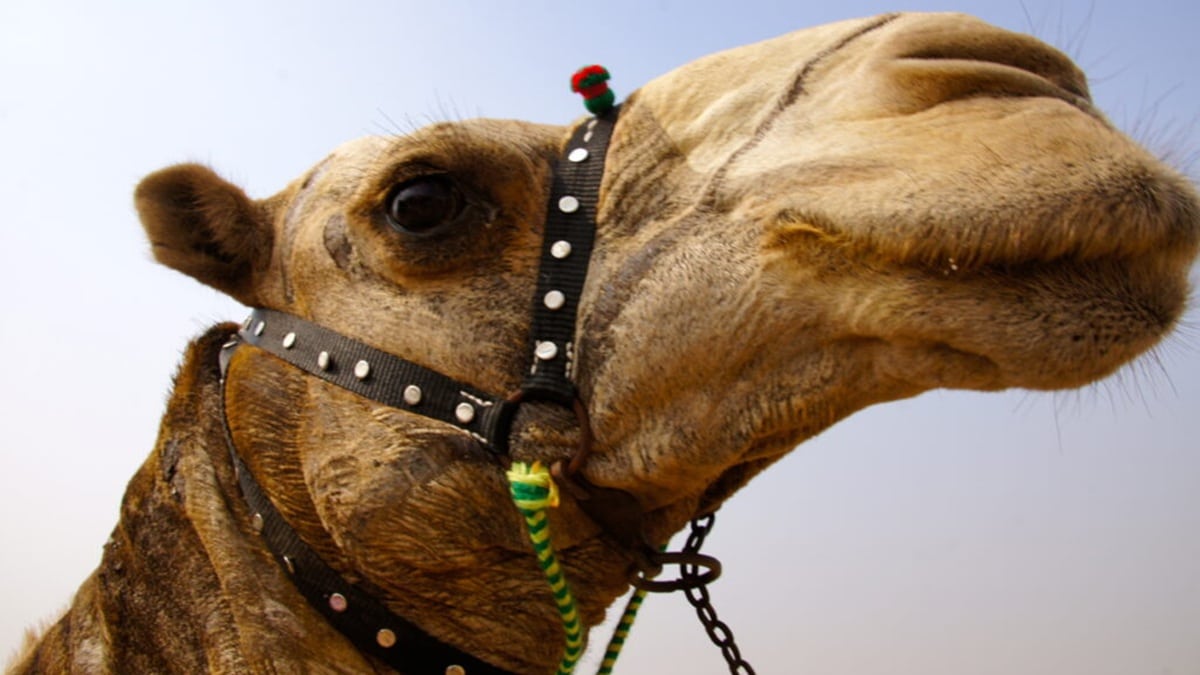
A recent instance of Tharparkar animal cruelty has exposed the fragile socio-economic baseline of Pakistan’s rural workforce. In Bhagal Rind village, Dahli tehsil, perpetrators allegedly blinded a working camel during a village dispute on Monday night. This specific event represents a critical failure in local arbitration and highlights the vulnerability of animal-dependent livelihoods.
Analyzing the Systemic Roots of Tharparkar Animal Cruelty
Sarang Meghwar, the animal’s owner, alleges that individuals named Hamza and Mukhtiar forcibly removed the camel’s eyes. This act followed a dispute where the accused demanded compensation for a deceased donkey and goat. Consequently, the family now faces total economic stagnation, as the camel served as their only remaining asset following a prior house fire.
Furthermore, the family reported receiving threats for seeking legal recourse. While the Sindh Chief Minister, Murad Ali Shah, has officially sought a report from the DIG Mirpurkhas, police authorities had not registered a First Information Report (FIR) as of Tuesday evening. Specifically, the accused individuals allegedly hold government positions, creating a power imbalance that complicates the pursuit of precision justice.
The Translation: Contextual Logic
In structural terms, this incident is a “retaliatory asset destruction” maneuver. Rather than utilizing legal or tribal arbitration, the perpetrators targeted the victim’s primary capital—the camel. By neutralizing the animal’s utility, the aggressors exerted maximum economic pressure on a marginalized family to settle unrelated disputes. This logic bypasses the rule of law in favor of primitive leverage.
The Socio-Economic Impact: Daily Life Precision
For a household in Tharparkar, a camel represents a mobile economic engine. This animal facilitates logistics, transportation, and income generation. The intentional blinding of this asset achieves the following:
- Economic Paralysis: The Meghwar family loses their primary revenue stream immediately.
- Resource Depletion: The family must now divert scarce funds toward animal care without any productivity.
- Systemic Fear: The use of government influence to suppress reporting creates a chilling effect across the village.
The Forward Path: Strategic Perspective
We classify this development as a Momentum Shift. While the cruelty is horrific, the high-level intervention from the Sindh Chief Minister indicates a potential shift toward judicial accountability. However, the baseline for progress remains the registration of an FIR and the transparent prosecution of the accused. Until the legal system protects biological assets with the same precision as industrial ones, rural stability will remain at risk.








