
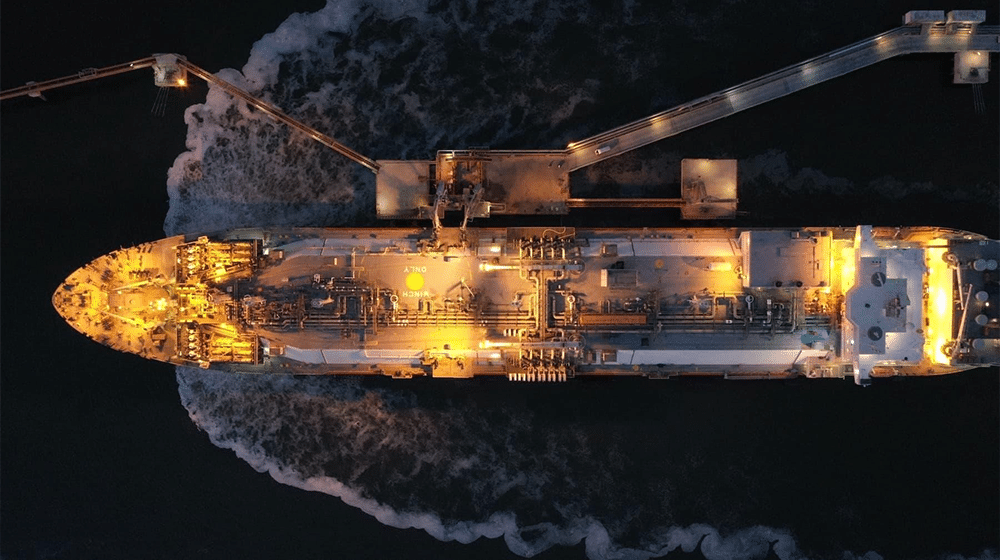
Pakistan has strategically re-entered the international LNG market for the second time this June to mitigate a looming energy deficit. This move involves an urgent tender for two spot cargoes to stabilize the national grid against regional supply chain disruptions. Consequently, state-owned Pakistan LNG Limited (PLL) is fast-tracking procurement to ensure industrial and domestic baseline requirements remain met during a volatile period for global energy corridors.
Navigating the International LNG Market Amid Regional Volatility
The state-owned entity, PLL, has formally invited international suppliers to submit bids for approximately 140,000 cubic meters of liquefied natural gas per cargo. These shipments are scheduled for arrival at Port Qasim in Karachi between June 13-14 and June 20-21. Furthermore, the tender documents specify a Delivered Ex Ship (DES) arrangement, reflecting a calibrated effort to bypass the logistical complexities currently plaguing the Gulf region. Specifically, tensions surrounding the Strait of Hormuz have created a catalyst for this emergency procurement, as regular supply lines from Qatar face increased transit risks.
Suppliers must submit their offers by June 11, representing an unusually tight bidding window. This precision-focused timeline indicates that the national energy infrastructure requires immediate reinforcement. Historically, the international LNG market becomes a critical safety net when long-term contracts face force majeure or geopolitical interference. By securing these spot cargoes, Pakistan aims to bridge the immediate gap created by shipping delays in the world’s most vital energy waterway.
The Translation: Contextualizing Energy Procurement
In technical terms, Pakistan is shifting from a reliance on “Term Contracts” to “Spot Purchases” to solve a localized supply shock. While long-term agreements with Qatar provide a stable baseline, they are vulnerable to physical transit bottlenecks like the Strait of Hormuz. When these routes are compromised, the government must enter the international LNG market to buy “Spot Cargoes”—essentially immediate, on-demand shipments. Although these cargoes often carry a higher price tag, they prevent the systemic failure of the national gas distribution network.
The Socio-Economic Impact
For the average Pakistani citizen, this strategic procurement acts as a barrier against widespread load-shedding. Energy security directly correlates with industrial productivity and household stability. If these cargoes were not secured, urban centers would likely face drastic gas pressure drops, affecting everything from commercial manufacturing to daily meal preparation. While the “expensive” nature of spot LNG might impact long-term fiscal balances, the immediate prevention of an energy blackout preserves the economic momentum of the workforce.
The Forward Path: Momentum Shift or Stabilization?
This development represents a critical Stabilization Move rather than a long-term momentum shift. It demonstrates that Pakistan’s energy architecture is currently reactive to geopolitical stressors. To achieve true system efficiency, the nation must continue diversifying its energy mix and investing in domestic storage solutions. However, the speed and precision of this tender show an improved administrative capacity to navigate the international LNG market under pressure, ensuring that the lights stay on while broader structural reforms are calibrated.








