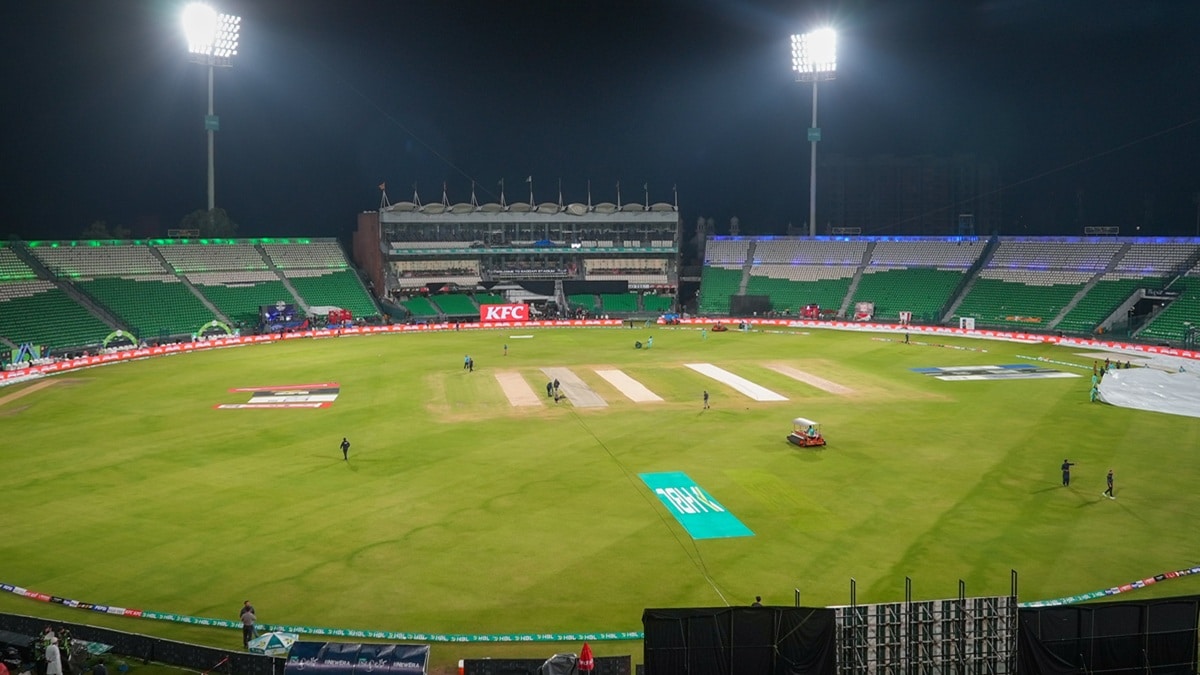
Systemic precision in sports infrastructure serves as a critical catalyst for national prestige. Consequently, the International Cricket Council (ICC) recently recalibrated its assessment of Pakistan’s sporting facilities, officially rating the Gaddafi Stadium pitch as “unsatisfactory.” This determination followed the conclusion of the high-stakes ODI series against Australia, where the surface failed to meet the baseline requirements for a dynamic international contest.
Structural Analysis of the Gaddafi Stadium pitch
The ICC Match Referee, Graeme La Brooy, highlighted a calibrated imbalance between bat and ball. He specifically noted that the surface remained slow and low, which impeded the fluid scoring of runs throughout the matches. While Pakistan secured a strategic 2-1 series victory, the tactical preparation of the pitch drew international scrutiny. Furthermore, the ICC applied a similar “unsatisfactory” rating to Lord’s in London, indicating a global tightening of pitch quality standards.
Pakistan’s captain, Shaheen Shah Afridi, defended the strategic preparation of the surface. He argued that home conditions are frequently adjusted to maximize local advantage, similar to the green pitches Pakistan encounters when touring Australia. Nevertheless, the ICC Pitch and Outfield Monitoring Process has officially issued one demerit point to the Lahore venue, signaling a need for structural improvement.
The Translation: Contextualizing the “Unsatisfactory” Rating
In the technical vocabulary of cricket management, an “unsatisfactory” rating implies that the pitch did not offer a fair contest. A “slow and low” surface restricts the speed of the game and penalizes aggressive batting, making the match less engaging for a global audience. This rating is a formal warning that the ground’s biological and structural preparation must evolve to support high-performance standards.
The Socio-Economic Impact: Cricket as a National Asset
For the average Pakistani citizen, cricket is more than a sport; it is a driver of urban economic activity and international tourism. Demerit points against major stadiums like Gaddafi Stadium pose a risk to Pakistan’s ability to host future global tournaments. If these structural failures persist, the resulting loss of international matches could diminish revenue for local vendors, hospitality sectors, and the broader sports economy in Lahore.
The Forward Path: Our Precision Assessment
This development represents a Stabilization Move for the Pakistan Cricket Board (PCB). While the series victory demonstrates competitive talent, the infrastructure rating highlights a lack of precision in facility management. To maintain positive momentum, the PCB must invest in calibrated soil science and modern drainage systems. We view this not as a defeat, but as a necessary data point to optimize our national sports infrastructure for the next generation of athletes.