
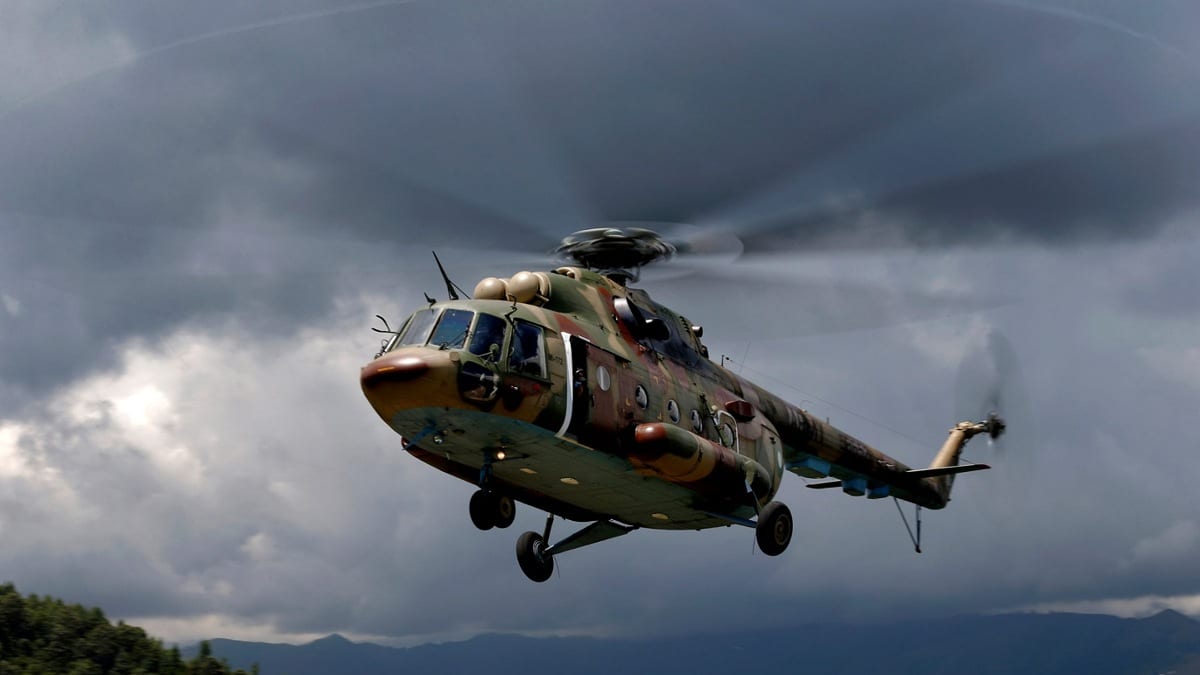
National security resilience depends on the calibrated integrity of our strategic aviation assets. On Wednesday, the Inter-Services Public Relations (ISPR) confirmed a fatal Mi-17 helicopter crash near Muzaffarabad. This tragic event occurred during takeoff due to a specific technical fault, highlighting the urgent need for structural precision in military hardware. All personnel on board were martyred, leaving no survivors in this devastating operational loss.
Analyzing the Mi-17 Helicopter Crash near Muzaffarabad
Rescue and recovery teams mobilized immediately to secure the crash site and retrieve the fallen. The military leadership responded with a systematic approach to determine the root cause of the failure. Consequently, a formal board of inquiry now investigates the technical variables that led to the accident. This precision-driven analysis aims to identify whether the catalyst was mechanical wear or a systemic component failure. Additionally, investigators are reviewing the baseline maintenance logs for the specific airframe.

Leadership Response and National Grief
Field Marshal Asim Munir and the entire army leadership expressed profound grief over the tragic loss of life. They extended heartfelt condolences to the bereaved families of the martyred personnel. Furthermore, the ISPR emphasized that the defense forces remain committed to maintaining the highest safety standards during all flight operations. This incident serves as a solemn reminder of the physical risks inherent in maintaining national stability and regional security.

The Translation
In technical terms, a “technical fault” during the takeoff phase usually points to a failure in propulsion or transmission systems. Since the Mi-17 is a heavy-lift asset, any loss of power during high-torque maneuvers creates a critical stabilization challenge. The inquiry will focus on the metallurgical integrity of engine components and potential hardware fatigue. Consequently, the findings will likely lead to updated maintenance protocols for the entire rotary-wing fleet.
The Socio-Economic Impact
The recent aviation tragedy directly impacts the operational readiness of regional transport and rescue infrastructure. For citizens in remote areas, these aircraft are the primary catalysts for medical evacuations and disaster relief missions. Furthermore, the loss of highly trained aviators represents a significant drain on human capital, affecting the efficiency of future tactical operations and regional safety protocols across Pakistan.

The Forward Path
This development represents a Stabilization Move. While the loss of life is irreparable, the immediate initiation of a board of inquiry shows a disciplined commitment to systemic improvement. To ensure a momentum shift toward higher safety, the aviation wing must prioritize the modernization of aging fleet components. Ultimately, implementing advanced diagnostic sensors could serve as a proactive catalyst for enhancing future flight safety metrics.









