
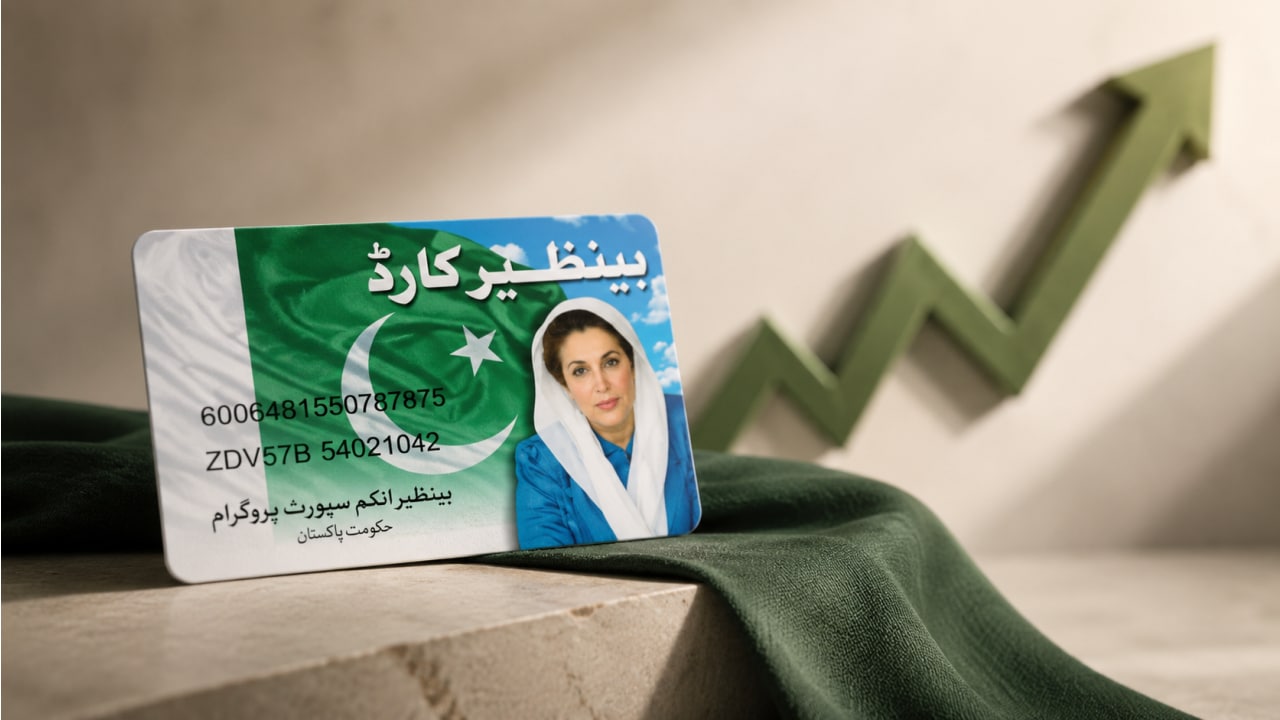
Pakistan’s social safety net undergoes a strategic recalibration as the government confirms a BISP stipend increase to Rs. 18,000 starting July. This structural adjustment aims to buffer low-income families against rising inflationary pressures. By integrating digital wallets for disbursement, the program enhances transparency while empowering vulnerable households with efficient financial access.
Digitizing the Financial Frontier: The BISP Stipend Increase
Senator Rubina Khalid, BISP Chairperson, finalized the decision to elevate quarterly payments from the upcoming fiscal year. This BISP stipend increase represents a calibrated effort to strengthen the nation’s social protection framework. Furthermore, the transition to digital wallets marks a departure from traditional, less efficient cash-out methods. Consequently, beneficiaries will experience reduced friction when accessing their essential funds.
Chairperson Khalid emphasized that the program remains a catalyst for economic empowerment. Specifically, the initiative targets vulnerable households to ensure a baseline of financial security. Despite negative narratives surrounding the program, the data confirms that BISP serves millions as Pakistan’s largest social safety net. Precision in delivery remains the primary objective for the new fiscal year.
The Situation Room: Analysis
The Translation (Clear Context)
While the numerical increase is significant, the most critical shift is technical. By moving to digital wallets, the government is effectively “de-platforming” middle-men who often exploited beneficiaries during physical cash distributions. This transition utilizes fintech to ensure that 100% of the allocated BISP stipend increase reaches the intended recipient. It is a move from manual oversight to algorithmic precision.
The Socio-Economic Impact
For the average Pakistani household enrolled in the program, this extra capital provides a necessary buffer against fluctuating commodity prices. Students in these households often rely on these funds for educational materials, while professionals use them as micro-liquidity for small-scale ventures. In rural Pakistan, where banking infrastructure is sparse, the digital wallet initiative acts as a gateway to broader financial inclusion.
The Forward Path (Opinion)
This development represents a Momentum Shift. While increasing the stipend is a stabilization move to counter inflation, the mandatory shift to digital wallets is true progress. It builds the digital infrastructure necessary for a modern economy. If the government maintains this trajectory, BISP could evolve from a simple cash-transfer system into a sophisticated tool for national financial literacy.
- Quarterly stipend raised to Rs. 18,000.
- Implementation begins in the July fiscal year.
- Full transition to digital wallets for all disbursements.
- Enhanced focus on transparency and fraud prevention.








