
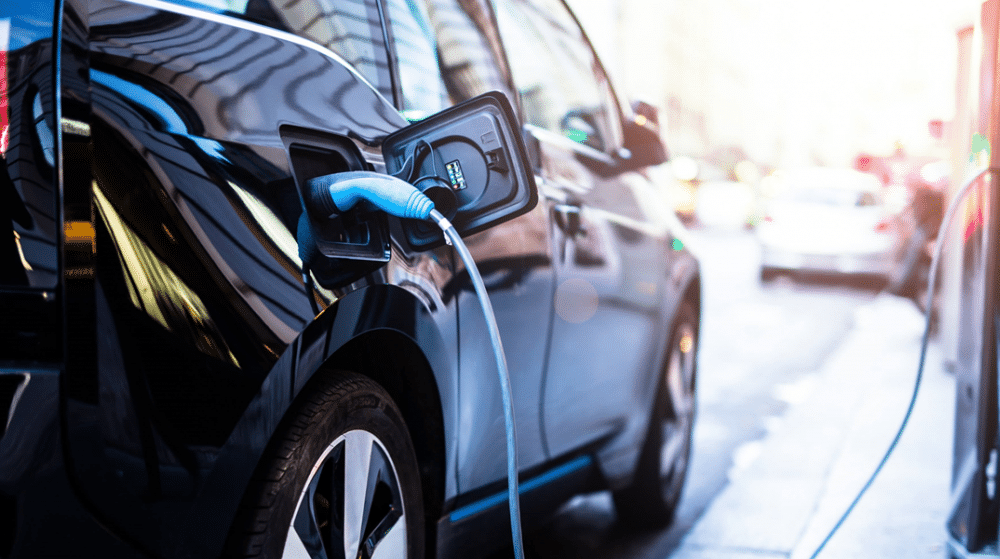
The Pakistani government has proposed a calibrated 25 percent sales tax on imported electric vehicles (EVs) as part of the upcoming Budget 2026-27. This strategic move aims to recalibrate the domestic automotive market by favoring local assembly over foreign imports. Consequently, the state plans to maintain current tax rates for hybrid vehicles to ensure a stable transition for the medium-term automotive ecosystem. This fiscal adjustment serves as a critical baseline for the nation’s next phase of industrial evolution.
Strategic Impact on Imported Electric Vehicles
Under the existing framework, several sales tax exemptions for EVs will expire on June 30, 2026. Specifically, the exemption currently benefiting completely knocked down (CKD) kits for local manufacturers will reach its conclusion on that date. Currently, these benefits apply to small cars and SUVs with battery capacities up to 50 kWh. Furthermore, light commercial vehicles with capacities up to 150 kWh also enjoy these tax reprieves. The government intends to replace this vacuum with a more disciplined tax structure that incentivizes local precision engineering.

Aligning with AIDEP 2021-26 Benchmarks
The Senate Standing Committee on Finance recently approved the Customs (Amendment) Bill 2026 to align national policy with the Automotive Industry Development and Export Policy (AIDEP). Additionally, the government proposed extending customs duty concessions on EV parts until mid-2026. This extension acts as a catalyst for green transportation while protecting the investments of domestic manufacturers. By extending concessions for up to 10 units of the same variant, the state ensures that local assemblers can test new technology before scaling production.
The Situation Room Analysis
The Translation
The government is essentially ending the “introductory period” for foreign-built green tech. By imposing a 25% tax, the state is signaling that the era of cheap imported electric vehicles is closing. This policy forces global brands to choose between higher retail prices or establishing local assembly plants within Pakistan. It shifts the logic from “importing progress” to “manufacturing progress.”
The Socio-Economic Impact
For the average Pakistani professional or household, the market for imported electric vehicles will become a premium luxury segment. However, the decision to keep hybrid taxes unchanged provides a safety net for middle-class consumers. This move will likely trigger a surge in local job opportunities as manufacturers race to set up CKD facilities to avoid the 25% tariff, ultimately stabilizing the long-term price of green transport.
The Forward Path
This development represents a Momentum Shift. While it creates immediate price pressure on high-end imports, it is a necessary stabilization move to protect national foreign exchange reserves. Pakistan is pivoting from being a consumer of global technology to a hub for localized automotive assembly. The success of this policy depends entirely on whether local manufacturers can bridge the technical gap by 2026.








