
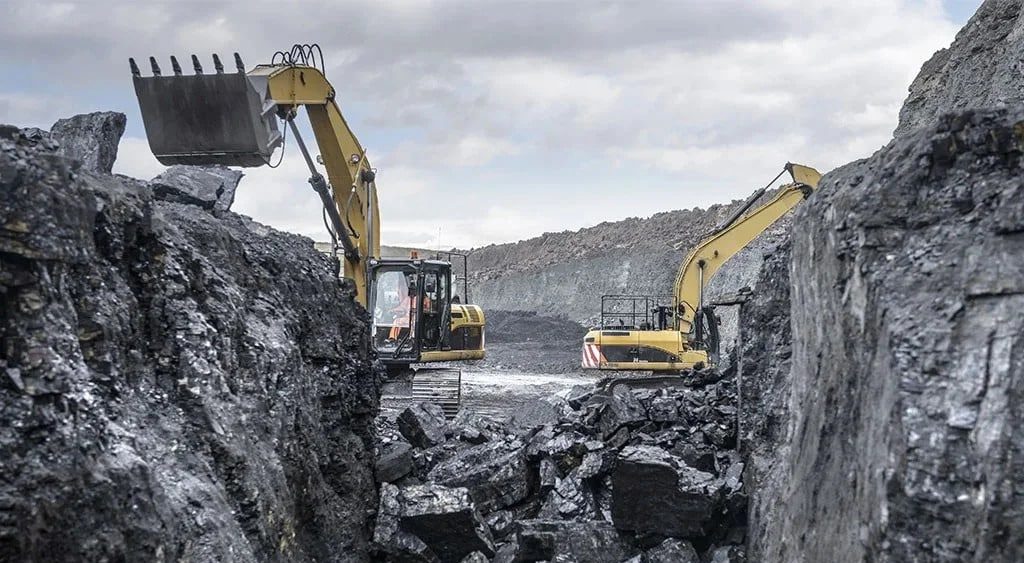
Structural overhaul defines the new baseline for Pakistan’s industrial sector as the federal government executes a strategic framework for Pakistan Mining Privatization. This rightsizing initiative targets a 90-day implementation window to calibrate state-owned entities for maximum efficiency. By focusing on asset optimization, the state aims to catalyze private investment within the extractive industries.
Strategic Shift in Pakistan Mining Privatization
The reform specifically targets the Pakistan Mineral Development Corporation (PMDC), Saindak Metals Company, and ENAR Petrotech Services for the initial phase of divestment. Consequently, the Petroleum Division must now collaborate with the Privatization Commission to finalize a divestment plan within three months. This move signals a departure from traditional state management toward a precision-driven market model.
Furthermore, the government plans to re-engineer the Geological Survey of Pakistan (GSP). This transition will convert the GSP into a commercial, technology-driven entity. An independent adviser will soon design a self-sustaining business model for the organization. This structural pivot ensures that geological data becomes a strategic asset rather than a budgetary burden.

Downsizing and Operational Efficiency
Efficiency requires sacrifice, and the current proposal mandates significant administrative cuts. The plan includes major reductions in staffing levels and overall budget allocations to lean out the organizational baseline. Additionally, the government will abolish the Central Inspectorate of Mines entirely. Meanwhile, the Department of Explosives will transition to a cost-recovery framework, charging provincial governments for its specialized services.
The Translation: Decoding the Rightsizing Strategy
While PMDC remains a profitable entity with revenues reaching Rs5.27 billion in FY2024-25, the government prioritizes systemic agility over direct ownership. Rightsizing is not merely about selling assets; it is about transferring the risk and operational costs to the private sector. By accelerating the Pakistan Mining Privatization timeline, the state seeks to unlock latent value in the Khewra Salt Mines and the Duddar Lead-Zinc project through superior private-sector technology and management.
The Socio-Economic Impact: Precision at the Local Level
This development directly influences the daily lives of Pakistani citizens through three specific channels:
- Job Market Evolution: While administrative downsizing occurs, private sector entry typically creates technical roles for STEM graduates and mining engineers.
- Infrastructure Revenue: Increased efficiency in profitable mines like Khewra ensures a steady flow of taxes and dividends into the national exchequer, theoretically funding public services.
- Service Pricing: Transitioning the Department of Explosives to a “user-pays” model may increase costs for provincial projects, potentially impacting local construction budgets.
The Forward Path: Momentum or Stabilization?
This move represents a definitive Momentum Shift. Moving a profitable federal corporation like PMDC into the privatization pipeline is a bold, calibrated move that prioritizes long-term systemic health over short-term revenue collection. If the government maintains this 90-day precision, it will establish a high-performance benchmark for future industrial reforms. Success hinges on the transparency of the divestment process and the capability of the independent advisers to build a truly self-sustaining Geological Survey of Pakistan.








