
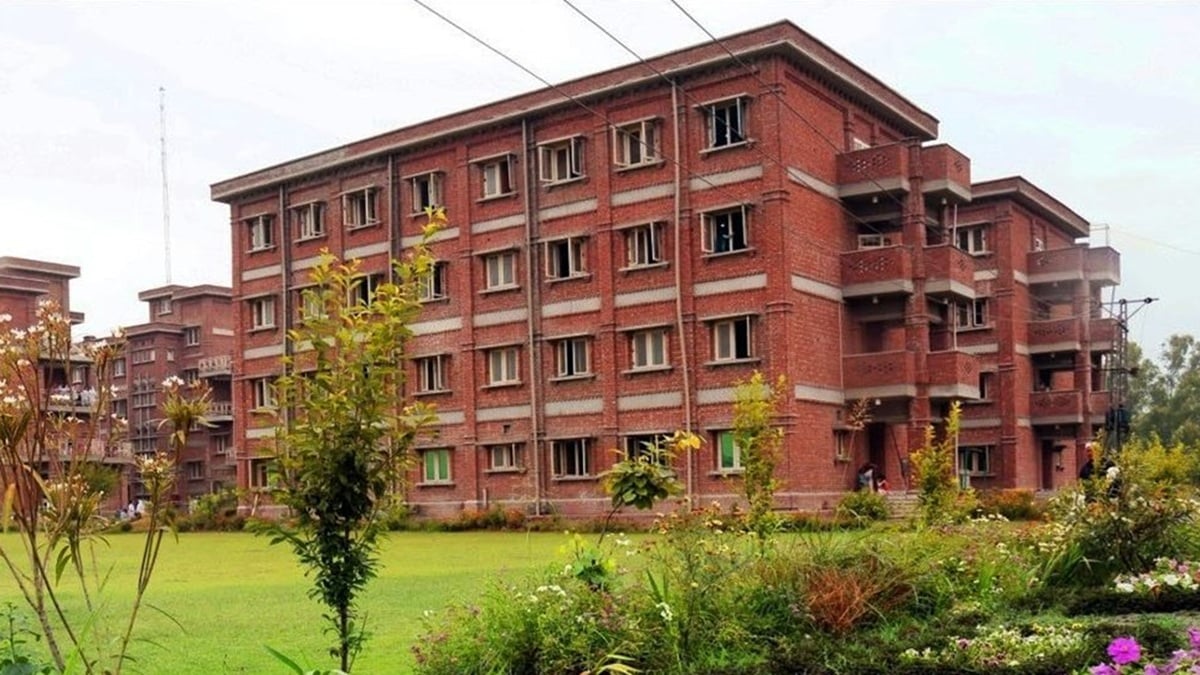
The structural evolution of Pakistan’s healthcare sector requires a calibrated shift toward high-level research and precision medical training. Consequently, Shaheed Zulfiqar Ali Bhutto Medical University (SZABMU) has launched several specialized PhD programs in medical and dental sciences. This strategic move aims to transform the local healthcare landscape into a hub for clinical innovation and architectural system efficiency.
A New Paradigm: Specialized PhD Programs
According to university sources, the newly introduced curriculum includes advanced doctorates in Surgery, Medicine, and Cardiology. Furthermore, the university is offering specialized tracks in Pharmacology, Prosthodontics, and Operative Dentistry. These specialized PhD programs represent a landmark achievement for Pakistan, as they provide standalone doctoral degrees in clinical fields for the first time.
Historically, doctoral education in Pakistan remained restricted to general basic medical sciences or broader dentistry fields. In contrast, SZABMU is now aligning with global trends by fostering specialized research within specific clinical disciplines. This initiative will specifically improve academic scholarship and evidence-based practice across the nation’s hospitals.

PMDC-Approved Dental Advancements
In a parallel development, the School of Dentistry at SZABMU secured critical approvals from the Pakistan Medical and Dental Council (PMDC). These approvals cover all clinical MDS programs, including Orthodontics and Periodontology. Consequently, the university is now equipped to build capacity and produce high-quality clinician-scientists capable of solving complex anatomical challenges.
- Specialized Fields: Surgery, Medicine, Cardiology, and Pharmacology.
- Dental Innovations: Prosthodontics, Dental Public Health, and Materials.
- Regulatory Milestone: Full PMDC approval for all clinical MDS programs.
The Translation: Deciphering the Shift
This development converts traditional medical training into a research-intensive model. Previously, clinicians gained experience through practice alone; however, these new programs require them to generate original data. By integrating a specialized PhD programs framework, SZABMU ensures that medical professionals are not just practitioners but also innovators who can calibrate new treatment protocols.
The Socio-Economic Impact
This initiative directly affects the daily life of every Pakistani citizen by improving the baseline of public health. For students and professionals, it offers a local alternative to expensive foreign degrees, thereby reducing national brain drain. Furthermore, specialized research leads to localized medical solutions, which ultimately lowers healthcare costs for urban and rural households by introducing more efficient, data-driven treatments.
The Forward Path: Expert Perspective
This development represents a Momentum Shift for Pakistan’s scientific community. By moving away from generalist education toward precision-based research, the country is stabilizing its healthcare infrastructure for the next century. This catalyst will likely inspire other institutions to adopt similar structural reforms, ensuring Pakistan remains competitive on the global medical stage.








