
The intersection of botanical pharmacology and modern dermatology is yielding a new baseline for hair loss treatments. Recent scientific reviews suggest that Polygonum multiflorum, a staple in traditional Chinese medicine, offers a strategic alternative to synthetic interventions. Consequently, this root demonstrates a multi-dimensional capacity to address androgenetic alopecia, providing a catalyst for future regenerative medicine.
Biological Precision in Hair Loss Treatments
Unlike standard pharmaceutical interventions like finasteride or minoxidil, which typically target isolated mechanisms, this herbal candidate operates through multiple biological pathways. Scientists have identified that the extract effectively mitigates the impact of dihydrotestosterone (DHT), the primary hormone responsible for follicle miniaturization. Furthermore, the herb activates critical signaling pathways, specifically Wnt and Shh, which are essential for cellular repair and structural hair regeneration.
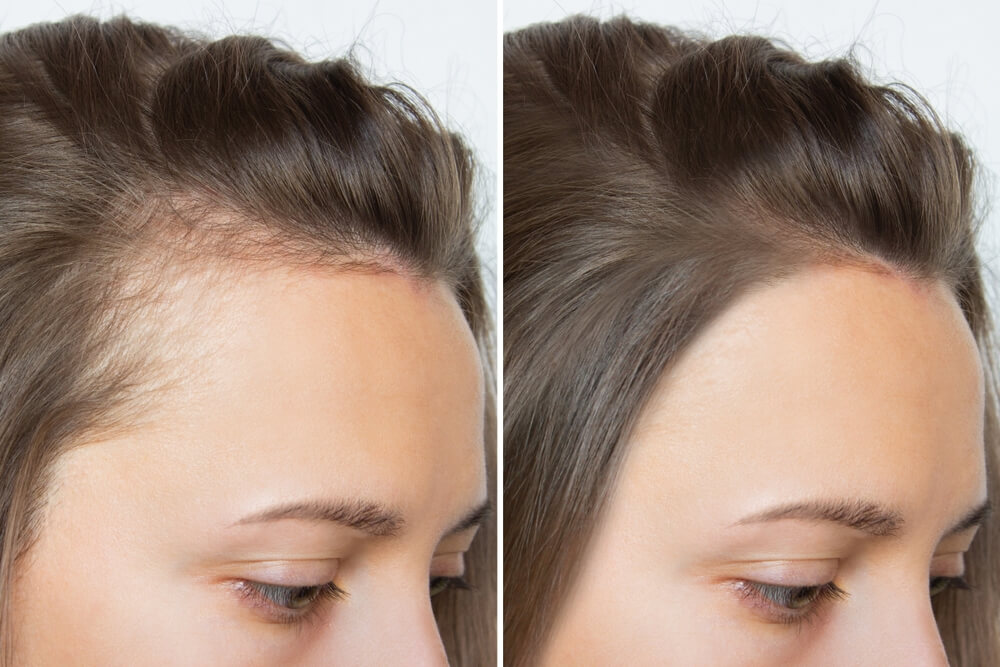
Current data indicates that this root may prevent early apoptosis—or programmed cell death—in follicle cells. By improving micro-circulation within the scalp, the treatment ensures a calibrated delivery of nutrients to the root. While existing hair loss treatments often cause systemic side effects, such as hormonal imbalances or scalp irritation, this botanical approach seeks to harmonize growth signals without disrupting global biological systems.
Structural Safety and Preparation
Precision in preparation remains the most critical variable for success. Historical records and modern laboratory findings both emphasize that Polygonum multiflorum requires specific processing to neutralize potential toxicity. Consequently, the raw form of the plant is not suitable for therapeutic use. Researchers maintain that while the potential for hair regeneration is high, large-scale human clinical trials are the next necessary baseline for validation.
The Translation: Bridging Ancient Roots and Modern Bio-Science
In simple terms, science is finally catching up with ancient wisdom. For 1,000 years, this herb was used to treat thinning hair, but we lacked the forensic tools to understand “why.” We now know it acts like a multi-tool: it blocks the “off” switch for hair growth (DHT) while simultaneously hitting the “restart” button on follicle repair (Wnt pathway). It is a shift from reactive care to proactive system restoration.
The Socio-Economic Impact: Scalable Solutions for Pakistan
For the average Pakistani household, hair loss is often viewed through a lens of cosmetic anxiety or expensive, recurring medical costs. Many currently rely on imported, high-cost hair loss treatments that strain monthly budgets. If botanical solutions like these can be standardized and locally produced, it could democratize access to high-quality dermatological care, reducing the financial burden on students and young professionals who prioritize personal maintenance as part of their professional identity.
The Forward Path: Momentum Shift or Stabilization?
This development represents a Momentum Shift in the field of regenerative medicine. While we must remain disciplined until human trials are finalized, the shift toward multi-pathway herbal treatments marks a move away from the “one-drug-one-target” model. For the STEM-focused observer, this is a clear signal that the next generation of hair loss treatments will be found at the intersection of traditional ethnobotany and advanced molecular biology.