
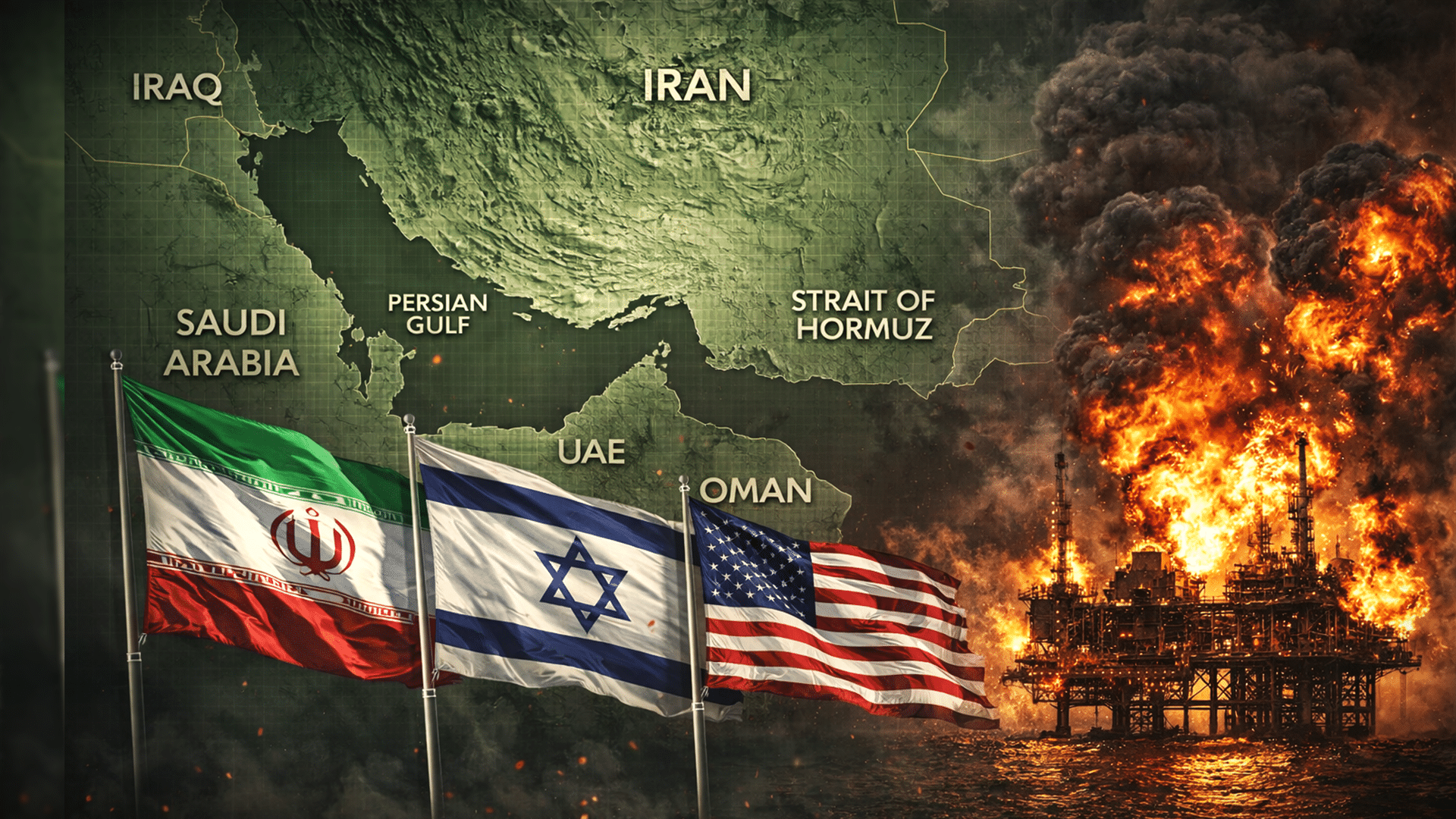
Strategic diplomatic intervention has successfully calibrated the global energy landscape, causing international oil prices to retract below the $90 per barrel threshold this Tuesday. This structural shift follows a successful de-escalation effort by the US administration, which facilitated a cessation of hostilities between Iran and Israel after significant tensions in Lebanon. Consequently, the market has responded with a precise downward correction as the immediate threat to energy supply routes diminishes.
Geopolitical Shifts Impact International Oil Prices
The market precision was evident during Tuesday’s trading session. Specifically, Western Texas Intermediate (WTI) fell to a baseline of $88, representing a 2.6% decrease. Simultaneously, Brent crude retracted by 2.1% to sit just above the $89 mark. This movement effectively erases the risk premium added when Israel previously targeted Hezbollah locations along the Lebanese border, an action that briefly threatened the integrity of regional ceasefire arrangements.

Furthermore, analysts note that international oil prices have faced extreme volatility since the onset of regional conflicts in early 2026. Data shows that crude futures peaked as high as $94 per barrel on Monday before the current correction. Influence from executive-level communications on platforms like Truth Social has also played a catalytic role, with market participants reacting sharply to strategic statements regarding potential strikes or peace negotiations.

The Situation Room Analysis
The Translation
In technical terms, the “War Premium” is currently exiting the market. When geopolitical actors transition from kinetic warfare to diplomatic signaling, the perceived risk of a supply “choke point” (such as the Strait of Hormuz) decreases. The volatility mentioned by commentators on X suggests that the international oil prices are no longer just following supply-demand fundamentals but are being calibrated by high-frequency “Sentiment Trading” based on political rhetoric.
The Socio-Economic Impact
For the average Pakistani citizen, this shift is a vital economic catalyst. Lower international oil prices directly correlate to:
- Reduced Import Bills: Strengthening the national foreign exchange reserves.
- Fuel Price Stabilization: Potential decreases in transportation costs for food and essential goods.
- Energy Efficiency: Lower input costs for local thermal power generation, potentially easing the circular debt crisis.
The “Forward Path”
Our assessment categorizes this development as a Stabilization Move. While the immediate price drop provides relief, the structural volatility remains tied to fragile diplomatic threads. To achieve a true “Momentum Shift,” Pakistan must leverage these windows of lower prices to accelerate its transition toward renewable energy baselines, reducing long-term vulnerability to Middle Eastern geopolitical friction.








