
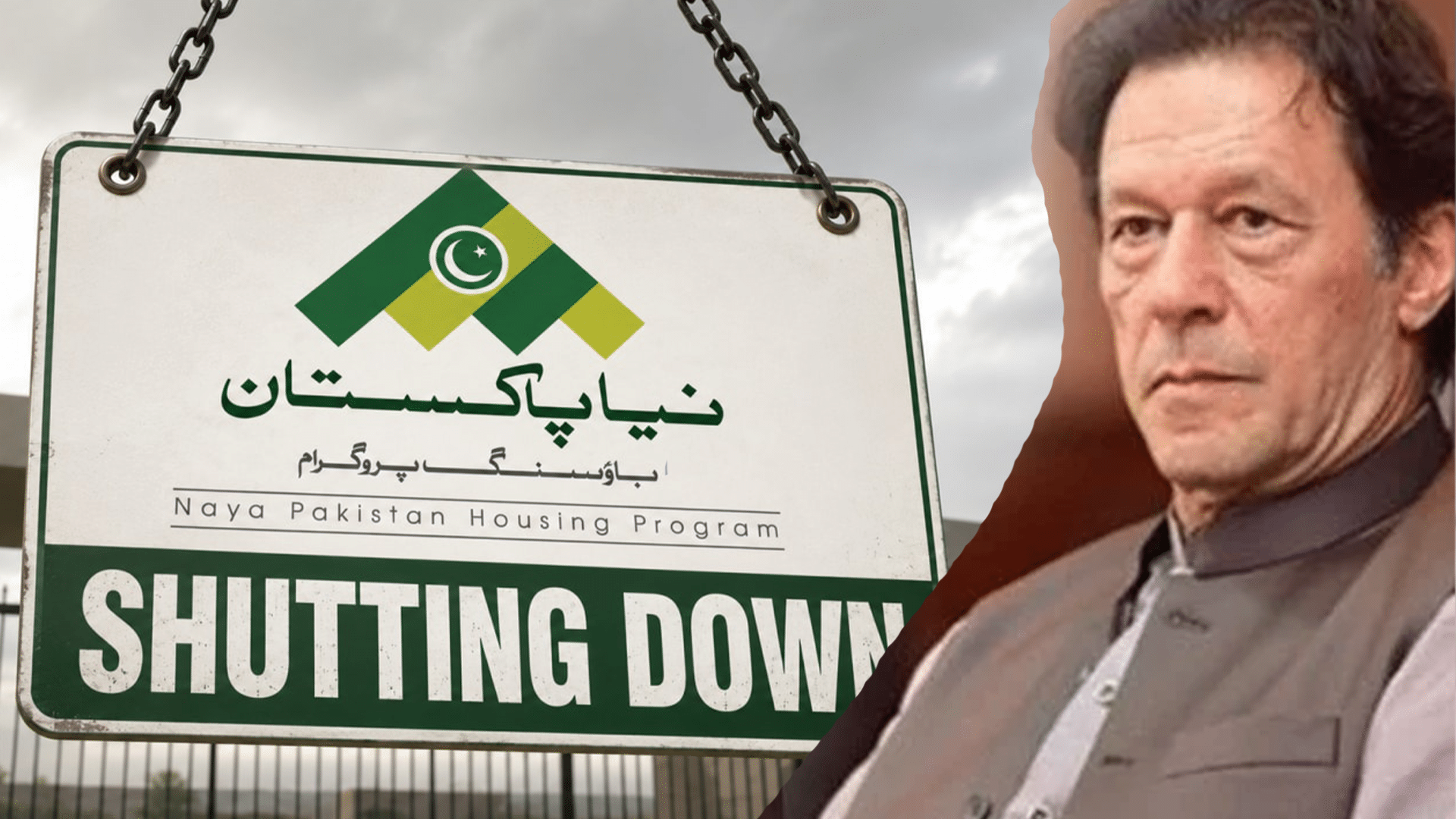
The federal government has officially initiated a calibrated strategy to repeal the Naya Pakistan Housing and Development Authority (NAPHDA) Act, 2020. This structural decision follows the Federal Cabinet’s approval to wind up the Authority as a core component of its national rightsizing agenda. Consequently, this move signals a major pivot in how the state manages its affordable housing scheme for low-income citizens.
Structural Realignment of the National Affordable Housing Scheme
NAPHDA emerged in 2020 as a strategic catalyst to promote affordable living across the country. During its operation, the Authority calibrated projects in major hubs including Islamabad, Lahore, and Nowshera. The original baseline target aimed for 122,507 housing units through precision partnerships. Specifically, the collaboration with the Akhuwat Foundation facilitated nearly 28,000 units, while the “Mera Pakistan Mera Ghar” initiative supported over 31,000 units through private sector financing.

The transition began after the Economic Coordination Committee (ECC) demanded a comprehensive performance audit. Following detailed deliberations, the Cabinet Committee on Rightsizing recommended dissolving the entity to reduce expenditures and streamline federal institutions. The Law and Justice Division has now vetted the NAPHDA (Repeal) Act, 2026, for urgent legislative consideration.
The Pivot to Prime Minister’s Apna Ghar Programme
While the existing affordable housing scheme infrastructure faces dissolution, the government is not abandoning the sector. Instead, it is launching the Prime Minister’s Apna Ghar Programme. This new framework prioritizes subsidized financing and concessional loans over direct authority-led construction. Strategic analysis suggests this shift aims to leverage banking liquidity more effectively than previous bureaucratic models.

The Translation: Clear Context
In simple terms, “rightsizing” means the government is removing a specialized department to save money and reduce overlap. Rather than having a dedicated “Authority” build houses, the state will now act as a financial bridge. By using the banking system to provide cheap loans, the government aims to achieve the same housing goals without the high administrative costs of maintaining NAPHDA.
The Socio-Economic Impact
For the average Pakistani citizen, this change transitions the dream of homeownership from a government-built project to a bank-financed reality. Students and young professionals may find the new “Apna Ghar” subsidies more accessible if they have stable credit. However, families in rural areas may face a temporary gap as the system shifts from direct public construction to private sector financing models.
The Forward Path: Opinion
This development represents a Stabilization Move. While the dissolution of an active authority might seem like a step back, the focus on “subsidized financing” is a more sustainable long-term model for a developing economy. To ensure a true “Momentum Shift,” the government must ensure that private commercial banks remain committed to low-income lending without the previous NAPHDA oversight. Precision in implementation will be the deciding factor for national progress.








