
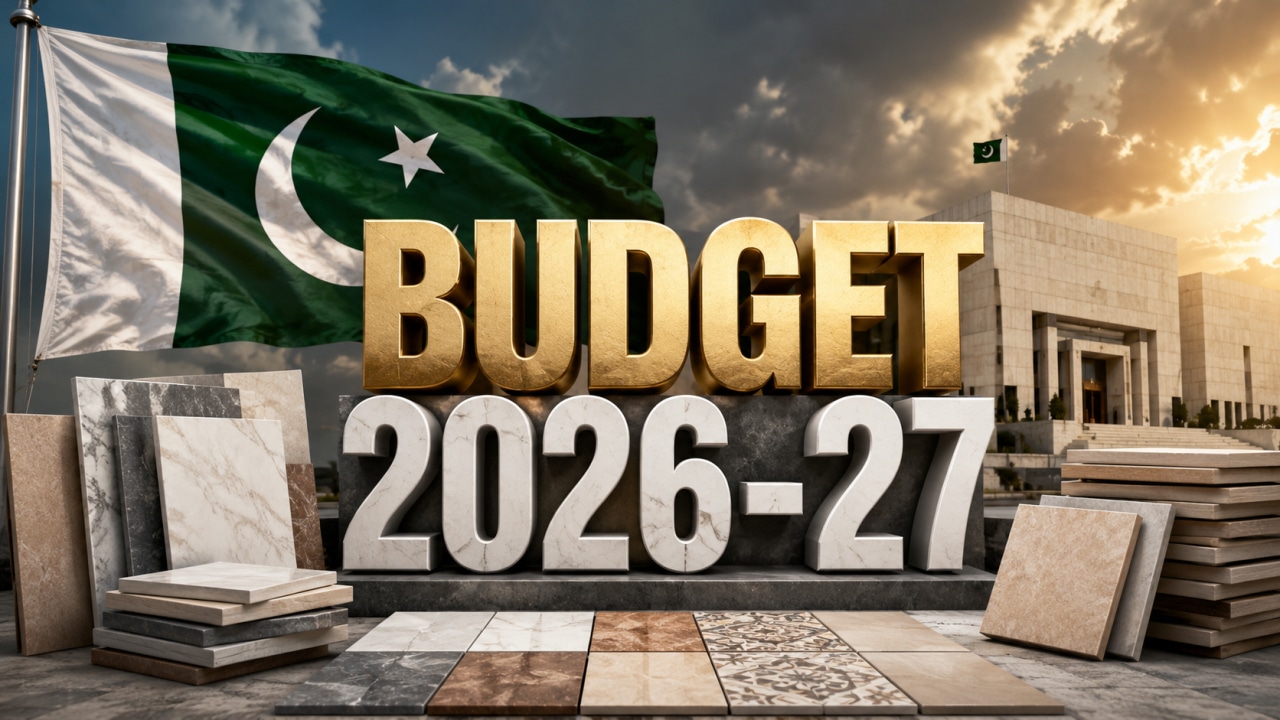
National advancement requires a calibrated fiscal roadmap, yet precision often demands strategic patience. The federal government recently announced a tactical shift in the presentation of the Budget 2026-27, moving the expected date from June 10 to June 12. Planning Minister Ahsan Iqbal emphasized that this delay facilitates the finalization of critical economic modules and accounts for the upcoming month of Muharram. Consequently, the administration seeks to ensure that every fiscal data point aligns with national stability goals before the formal unveiling.
Calibrating the National Roadmap: The Budget 2026-27 Delay
Minister Ahsan Iqbal confirmed today that several structural aspects of the financial plan remain under rigorous review. Because time is limited, the Ministry of Planning is working at an accelerated pace to refine the baseline figures. Furthermore, the government expects to release a definitive decision regarding the updated schedule within the next 48 hours. This methodical approach suggests a commitment to precision over haste, ensuring the final document reflects actual economic capacities.

Strategic Shifts in Provincial PSDP Allocations
While scheduling remains fluid, the framework for the Public Sector Development Program (PSDP) has reached a state of consensus. Negotiators from the Pakistan Muslim League-Nawaz (PML-N) and the Pakistan Peoples Party (PPP) successfully finalized discussions regarding development spending. Notably, the government plans to pivot its investment strategy toward smaller provinces to catalyze regional growth. Under this proposed structural adjustment, provincial allocations will follow a specific hierarchy:
- Balochistan: Largest share for infrastructure and connectivity.
- Sindh: Secondary priority for urban and rural development.
- Khyber Pakhtunkhwa: Third-tier allocation focus.
- Punjab: Lowest relative allocation in this cycle.
The Situation Room Analysis
The Translation
Beyond the surface-level delay, this move signifies a complex negotiation phase within the coalition. The “incomplete consultations” mentioned by the Planning Minister likely refer to the delicate balancing act of satisfying provincial demands while maintaining IMF-mandated fiscal discipline. Specifically, the PSDP agreement between the PPP and PML-N indicates a compromise where regional equity is prioritized to maintain political and economic equilibrium.
The Socio-Economic Impact
This development directly impacts the daily lives of citizens in smaller provinces. For a professional in Balochistan or a student in Sindh, the increased PSDP allocation translates into enhanced public services and modernized infrastructure. Conversely, Punjab residents may witness a slowdown in new mega-projects as the state shifts resources toward national integration and systemic balance. This calibration aims to reduce the economic disparity that often fuels regional instability.
The Forward Path
We categorize this development as a Stabilization Move. While the delay might suggest administrative friction, the underlying agreement on provincial spending represents a strategic pivot toward inclusive growth. If the government executes this PSDP roadmap with precision, it could serve as a catalyst for a more unified national economy. The next 48 hours will be critical in establishing the final baseline for Pakistan’s financial future.








