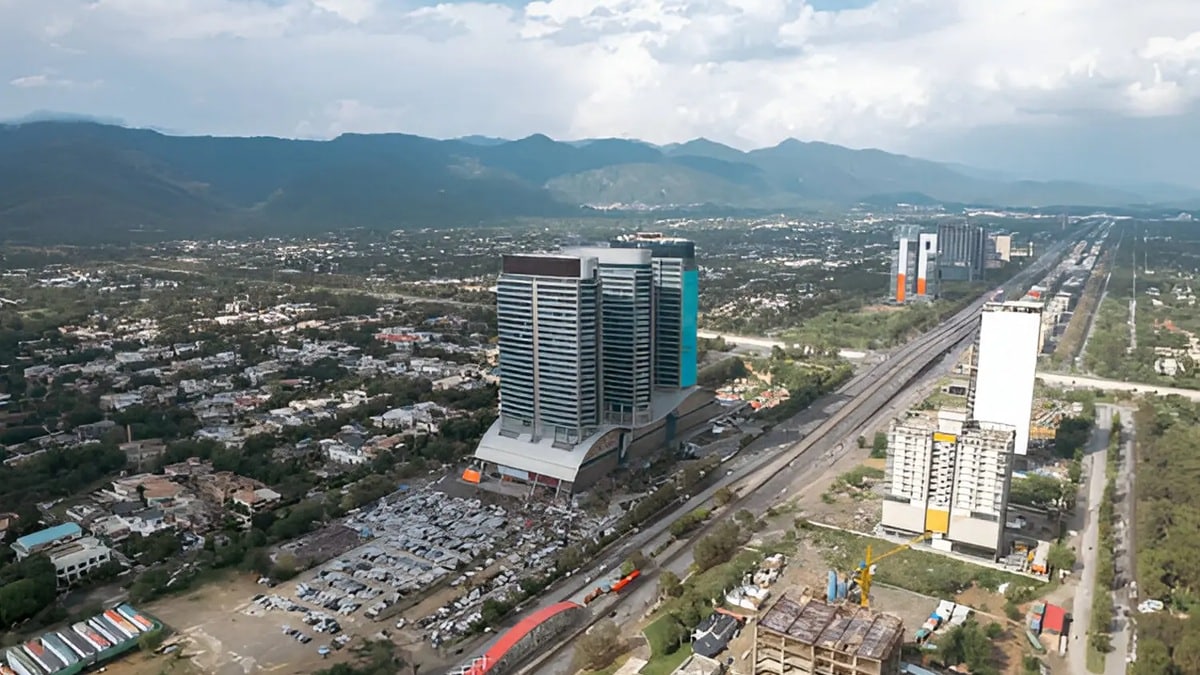
The Islamabad High Court (IHC) has initiated a precision review of Blue Area parking fees, demanding a formal response from the Capital Development Authority (CDA). This judicial inquiry serves as a catalyst for greater transparency within Islamabad’s expanding commercial zones. Justice Arbab Muhammad Tahir presided over the hearing, which scrutinizes the structural legality of fee collection in the New Blue Area. Consequently, the court has officially integrated the CDA into the proceedings to clarify jurisdictional overlaps with the Metropolitan Corporation Islamabad (MCI).
Investigating the Legality of Blue Area Parking Fees
Advocate Tayyab filed the petition to challenge the current fee collection mechanism, highlighting a lack of clarity in fund utilization. During the proceedings, MCI counsel Advocate Kashif Malik clarified that the CDA Board approved the Parking Regulations 2023. Specifically, he argued that the fees originate from CDA-owned land within an approved development plan, rather than public service roads. Furthermore, the court observed that the CDA manages these collections through private contractors, bypassing direct MCI administration.
The Translation (Clear Context)
In technical terms, this case revolves around “Jurisdictional Authority.” While the MCI usually handles municipal services, the CDA claims ownership of the land in the New Blue Area. The “Next Gen” logic is simple: the court is determining if the CDA has the legal right to outsource revenue collection to private contractors on land designated for “development.” If the CDA lacks the specific mandate to charge for parking on these plots, the entire collection system could be deemed unauthorized.
The Socio-Economic Impact
This legal friction directly impacts the daily baseline of Islamabad’s professionals and business owners. Blue Area parking fees represent a recurring cost for thousands of daily commuters. A lack of transparency in how these funds are utilized creates a “trust deficit” between citizens and urban managers. If the court finds the fees illegal, it could lead to:
- A significant reduction in daily commuting expenses for office workers.
- Improved regulation of private contractors who often operate without oversight.
- A standardized framework for urban revenue collection across the capital.
The “Forward Path” (Opinion)
This development represents a Momentum Shift. For too long, overlapping jurisdictions between the CDA and MCI have created “grey zones” in governance. By forcing the CDA to become a formal party in this case, the IHC is demanding a calibrated, strategic approach to urban management. This precision-focused legal challenge will likely establish a new baseline for how Islamabad manages its commercial infrastructure and citizen-funded services.